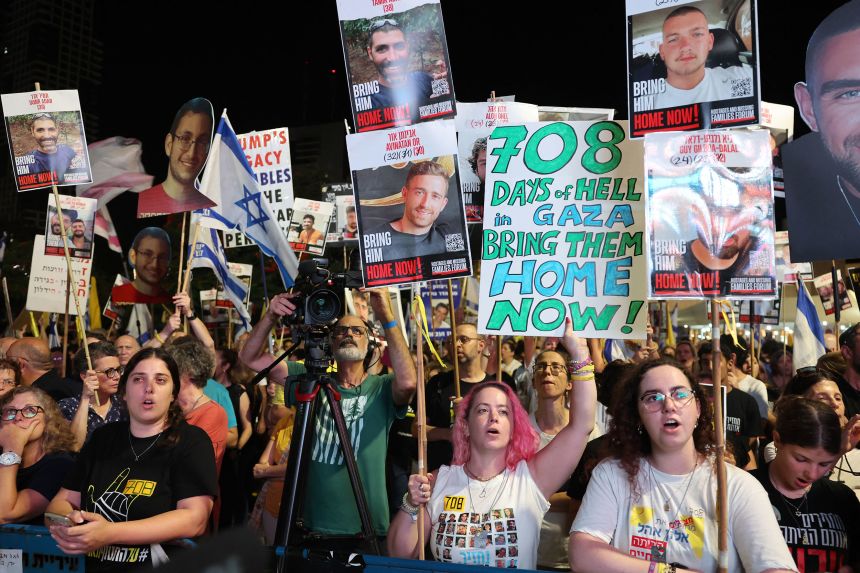
Israeli Prime Minister Benjamin Netanyahu warned that the nation faces increasing international isolation due to the Gaza war, necessitating a strategic shift towards economic self-sufficiency and robust domestic weapons production to mitigate potential sanctions and arms embargoes from European countries. This acknowledged "autarkic" trend implies significant investment in Israel's defense industry and a reduced reliance on foreign imports, despite Netanyahu later attempting to reassure markets about the economy's strength and continued growth. The pronouncement highlights a critical geopolitical and economic pivot, with domestic opposition criticizing the Prime Minister's policies as the cause of this isolation.
Prime Minister Netanyahu's acknowledgement of Israel facing potential long-term isolation marks a significant strategic inflection point, triggering a proposed pivot towards 'autarkic characteristics' for the nation's economy. This shift specifically targets the defense sector, with plans to ramp up the domestic weapons industry to mitigate the impact of arms embargoes from key European nations including France, the UK, and Spain. This new policy direction contrasts sharply with Netanyahu's historical championing of free-market principles and arises amid the country's 'longest and most expensive' war. The Prime Minister's warning of impending economic sanctions and import challenges is openly contradicted by his subsequent claims of the Israeli stock market being the 'strongest in the world' and Finance Minister Smotrich's comments on falling inflation, creating a mixed and uncertain message for markets. Furthermore, the policy is heavily contested domestically, with opposition leaders like Yair Lapid blaming the isolation directly on the Prime Minister's 'failed policy,' indicating significant political risk and potential for future instability.
AI-powered research, real-time alerts, and portfolio analytics for institutional investors.
Overall Sentiment
moderately negative
Sentiment Score
-0.40
