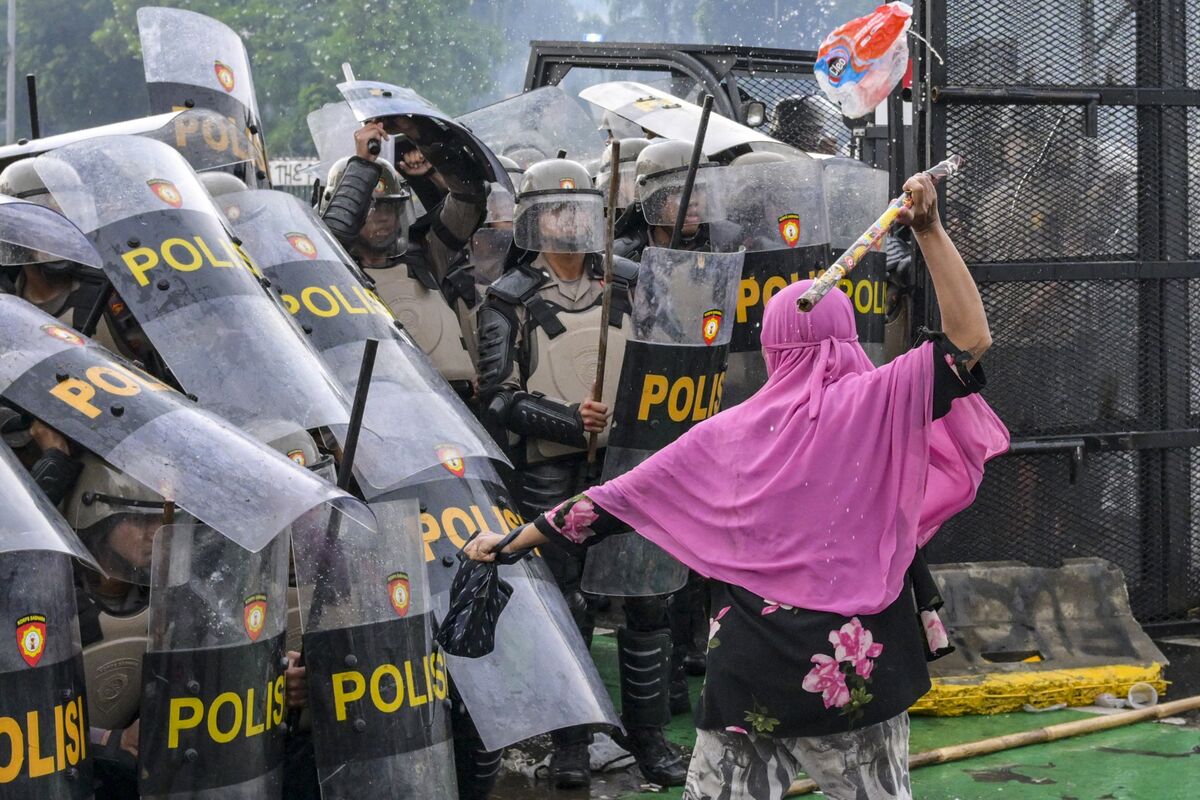
Indonesian President Prabowo Subianto is implementing a "nationalist style of capitalism" aimed at achieving an ambitious 8% economic growth rate and high-income status by mid-century. However, this state-centric economic approach is encountering significant public anger and mass protests over rising living costs, raising questions about its viability and public acceptance despite its stated long-term development objectives.
The Indonesian government under President Prabowo Subianto is championing a state-centric, nationalist economic model, dubbed "Indonesia Inc.", with the ambitious goal of accelerating GDP growth to 8%. This strategy, aimed at achieving high-income status by mid-century, represents a significant policy shift. However, this top-down approach faces considerable headwinds in the form of widespread public discontent. Mass protests and public anger, fueled by the rising cost of living, indicate a substantial disconnect between the government's long-term developmental vision and the immediate economic pressures faced by the population. This social friction introduces a material execution risk to the administration's economic plans, casting doubt on their viability and suggesting that patriotic appeals may be insufficient to quell popular dissent. The situation presents a clear tension between a potentially high-growth, state-directed economic future and the current reality of social and political instability, a risk factor reflected in the moderately negative sentiment and medium market impact scores.
AI-powered research, real-time alerts, and portfolio analytics for institutional investors.
Request DemoOverall Sentiment
moderately negative
Sentiment Score
-0.50
