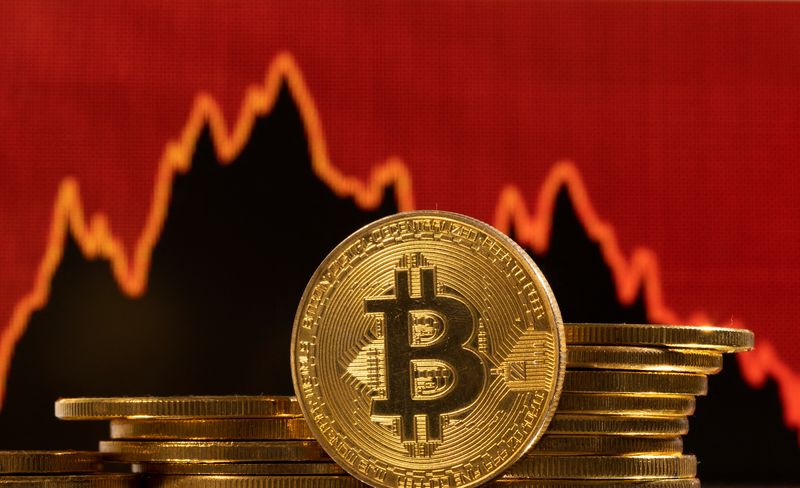
Bitcoin fell 0.7% to $74,756.6, briefly breaking below the $75,000 level as escalating U.S.-Iran tensions and a seized Iranian cargo ship drove a broader risk-off move. Oil prices jumped and U.S. stock futures weakened, with the Strait of Hormuz still shut and ceasefire-related uncertainty keeping volatility elevated across crypto and risk assets.
The immediate market signal is not “crypto weakness” so much as a cross-asset volatility shock driven by energy and shipping risk. When oil spikes on a Hormuz headline, BTC and high-beta digital assets tend to de-rate because they are treated as the most liquid source of risk reduction; that usually hits levered speculative positioning first, not long-term holders. The bigger second-order effect is that higher fuel costs and renewed route uncertainty pressure exchange venues, miners, and market makers through wider spreads, slower flows, and reduced altcoin turnover. The asymmetric setup is in time horizon: the next few sessions look tactically risk-off, but if the situation does not materially worsen, crypto can mean-revert quickly because the macro impulse is exogenous rather than fundamental to on-chain demand. The key catalyst to watch is whether oil stays elevated for more than 3-5 trading days; if it does, the market will start pricing a broader inflation impulse and a higher-for-longer rates path, which is more damaging to BTC multiples than the headline geopolitics itself. That also raises the odds of forced deleveraging in altcoins and smaller cap names, where liquidity is thinner and positioning is typically more crowded. The predication-market story is a useful tell: capital is being allocated to event-driven platforms precisely because volatility regimes are becoming more headline-sensitive. That is supportive for names tied to engagement and transaction intensity, but only if risk appetite remains intact; otherwise the same volatility that boosts activity can compress multiple expansion. For the market overall, the consensus may be overestimating the persistence of the crypto drawdown if ceasefire language reappears quickly, while underestimating the damage from a sustained oil shock on speculative leverage. SMCI and APP are not direct geopolitics trades, but they remain high-beta sentiment proxies; in a risk-off tape, both can underperform even on stock-specific strength because they sit in crowded momentum baskets. If the macro news flow stabilizes, they should rebound sharply, but until then they are vulnerable to de-grossing. The cleaner expression is to fade the most crowded beta rather than chase the crypto tape outright.
AI-powered research, real-time alerts, and portfolio analytics for institutional investors.
Request DemoOverall Sentiment
moderately negative
Sentiment Score
-0.45
Ticker Sentiment
