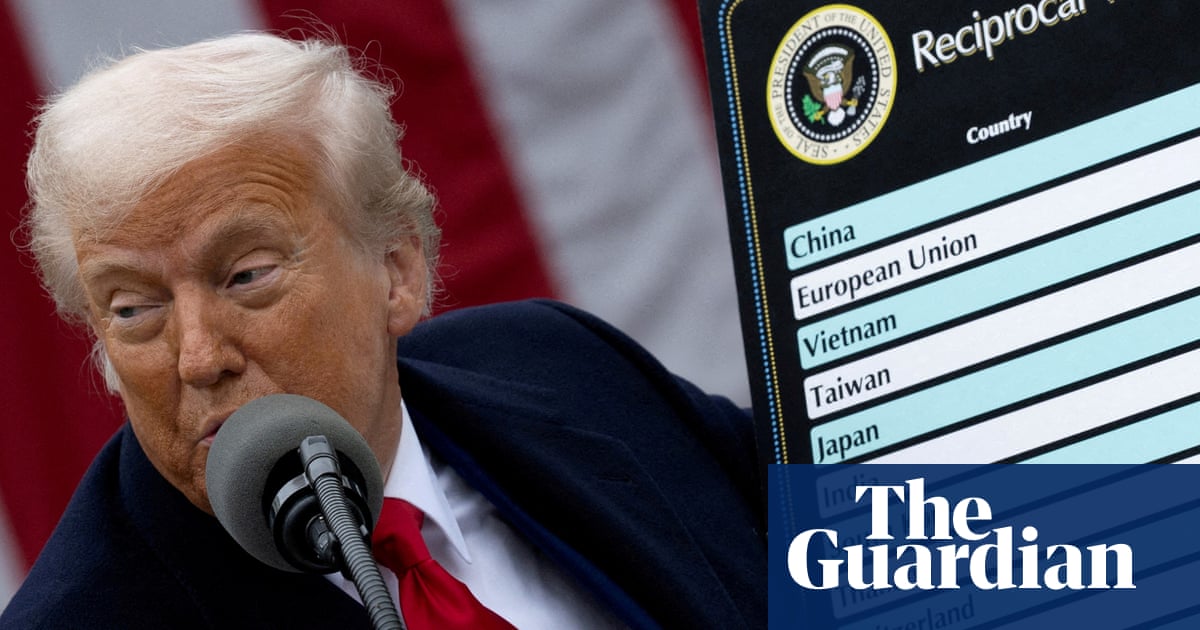
The US has extended the deadline for its 'reciprocal' tariff package to August, notifying 14 countries, including Japan and South Korea, of impending levies ranging from 25-40% if trade deals are not swiftly concluded. Despite an initial 90-day negotiation window, only two agreements have been reached, contributing to significant global market uncertainty, evidenced by the S&P 500's 0.8% decline and sharp drops in Japanese auto stocks. This aggressive trade posture, particularly targeting Asian manufacturing hubs, continues to roil financial markets and prompt international efforts to mitigate economic fallout.
The extension of the US tariff package deadline to August injects further volatility and uncertainty into global markets, rather than providing relief. The administration's failure to secure more than two trade deals, despite an initial 90-day window, signals significant execution risk and casts doubt on its ability to conclude the promised "90 deals in 90 days." The market reaction has been unequivocally negative, evidenced by the S&P 500's largest drop in three weeks (down 0.8%) and sharp declines in US-listed shares of Japanese automakers, with Toyota Motor and Honda Motor falling 4% and 3.9% respectively. The punitive tariff rates, ranging from 25% to 40%, disproportionately target Asian manufacturing hubs like Indonesia (32%), Thailand (36%), and Vietnam (20% under its new deal), creating severe headwinds for regional economies and global supply chains. This aggressive trade posture, coupled with historic weakness in the US dollar during the first half of the year, underscores a highly unpredictable policy environment that is actively eroding investor confidence and disrupting international trade flows.
AI-powered research, real-time alerts, and portfolio analytics for institutional investors.
Overall Sentiment
strongly negative
Sentiment Score
-0.70
Ticker Sentiment
