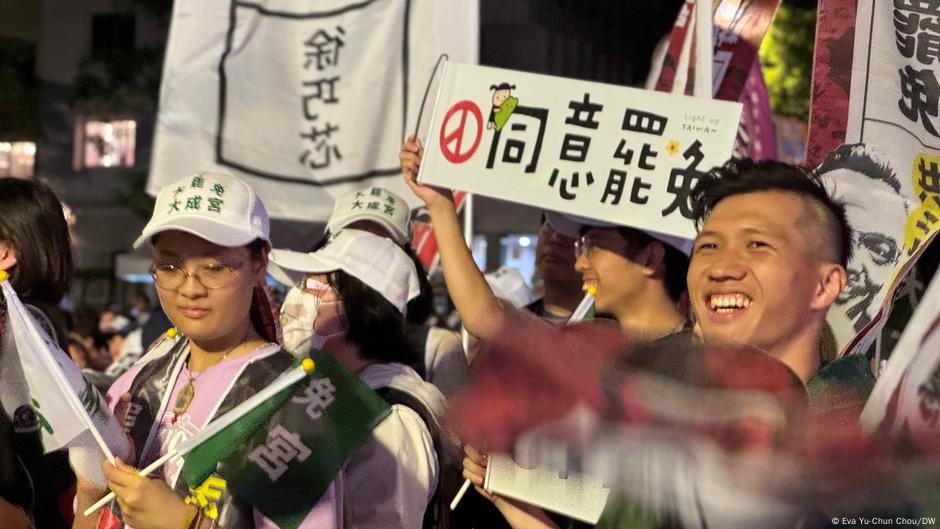
Taiwan is conducting its largest-ever recall vote targeting 24 opposition Kuomintang (KMT) lawmakers, with its Mainland Affairs Council accusing Beijing of overt interference in the democratic process. This recall, initiated by civic groups alleging the KMT's pro-Beijing leanings, underscores Taiwan's internal political crisis where the opposition has challenged the ruling DPP's agenda, including defense spending. The vote's outcome holds significant implications for Taiwan's legislative stability and its geopolitical stance amidst escalating cross-strait tensions and China's increased military pressure.
Taiwan is facing a significant test of its political and legislative stability with its largest-ever recall vote targeting 24 opposition Kuomintang (KMT) lawmakers. This event is a direct result of internal political friction following the last election, where the ruling Democratic Progressive Party (DPP) lost its parliamentary majority. The opposition has since leveraged its legislative control to challenge the government's agenda, notably by imposing major cuts to the defense budget. The situation is further complicated by accusations from Taiwan's Mainland Affairs Council of direct interference by Beijing, which reportedly echoes KMT talking points and urges voters to oppose the recall. This vote, therefore, transcends domestic politics, becoming a focal point in the escalating cross-strait tensions, especially as it occurs against a backdrop of increased Chinese military pressure and Beijing's refusal to engage with President Lai Ching-te's administration. The outcome carries significant weight, with the potential to either entrench the current legislative gridlock or alter the balance of power, directly impacting Taiwan's policymaking capacity on critical issues like national defense.
AI-powered research, real-time alerts, and portfolio analytics for institutional investors.
Overall Sentiment
moderately negative
Sentiment Score
-0.50
