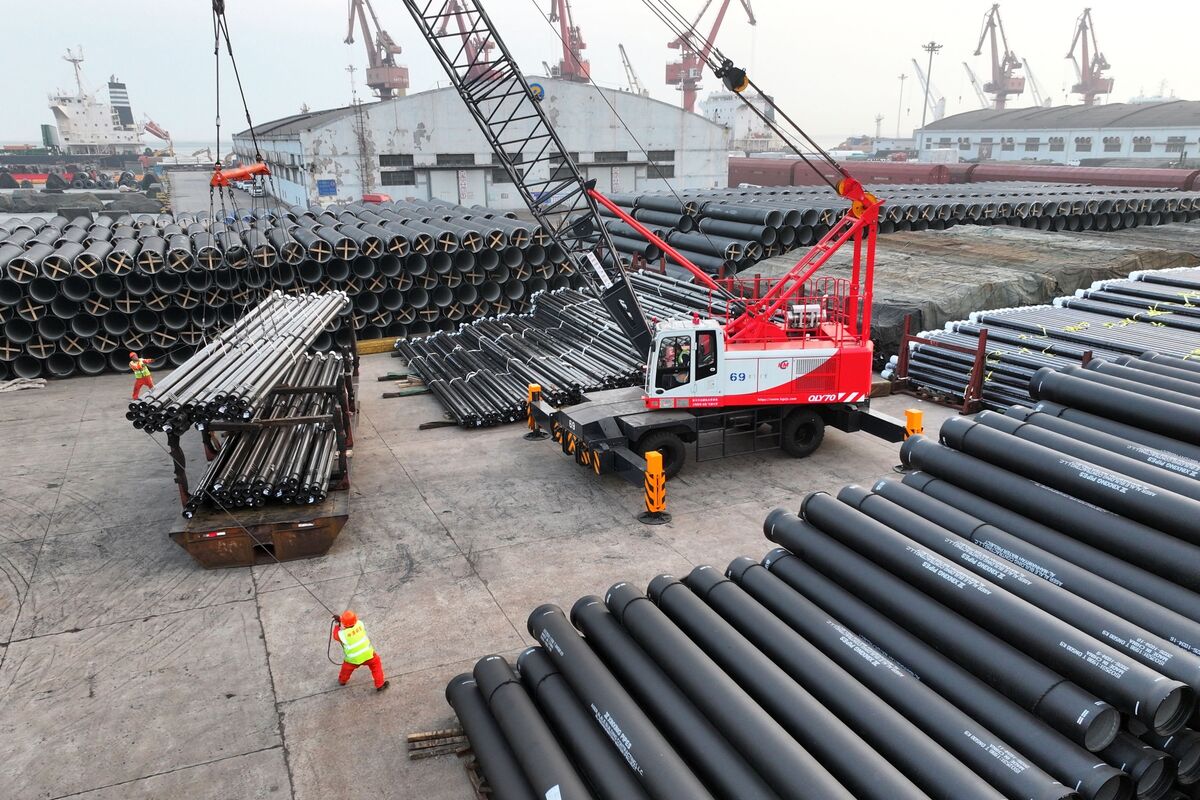
Ramaco Resources said Chinese steel dumping has pressured metallurgical coal markets for about 1.5 years, forcing lower met-coal prices and weighing on miner economics. CEO Randall Atkins linked that pressure to Ramaco's quarterly loss and sales miss. The commentary points to continued headwinds for met-coal producers as global smelters push for lower input costs.
The key read-through is that met coal is now behaving like a globally cleared industrial input, not a local US pricing market. When Chinese steel exports stay elevated, they push marginal furnace utilization lower elsewhere, and the first place that shows up is in blast-furnace input costs: met coal and then iron ore differentials. That means the pain can persist even if US domestic steel demand stabilizes, because the price setter is effectively globalized downward by oversupplied steel capacity.
For miners, the second-order damage is margin compression that does not necessarily require a collapse in tonnage. A small move lower in realized met coal prices can create an outsized drop in EBITDA for high-fixed-cost producers, especially those with less favorable mine geometry or logistics. The losers are not just producers; rail, port, and equipment service names tied to the metallurgical supply chain can see deferred volumes and capex pullbacks over the next 2-3 quarters.
Catalyst-wise, this is a months-long setup, not a one-day trade, unless Beijing changes export policy or we get a meaningful stimulus surprise that lifts steel margins. The main reversal triggers are Chinese production cuts, aggressive infrastructure stimulus, or weather/disruption-driven supply outages in Australia that can temporarily tighten seaborne met coal. Absent that, the risk is that investors keep treating this as cyclical noise while forward pricing drifts lower and 2025 guidance gets revised down.
The consensus may be underestimating how long low met coal can stay weak because the correction can be self-reinforcing: weaker earnings force miners to preserve cash, which slows supply discipline and extends the clearing process. That makes the best asymmetry a relative short, not a blind outright short, because high-quality thermal/low-cost names may hold up better than leveraged met coal exposure. The market may also be missing that sustained pressure on met coal can spill into capex deferral across the broader mining ecosystem, creating a second leg of weakness beyond the miners themselves.
AI-powered research, real-time alerts, and portfolio analytics for institutional investors.
Request DemoOverall Sentiment
moderately negative
Sentiment Score
-0.45
Ticker Sentiment
