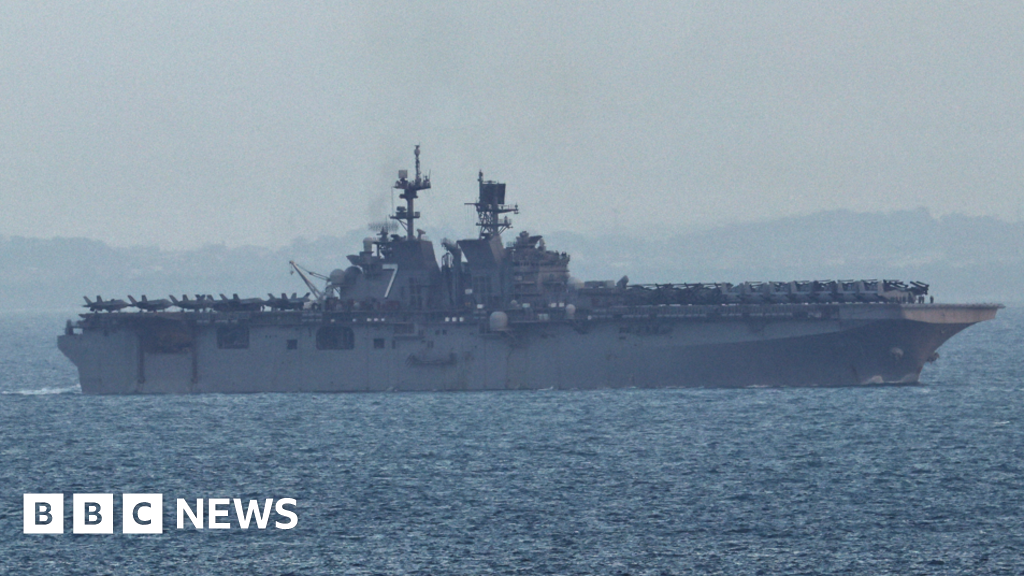
3,500 US troops (sailors and marines led by USS Tripoli) have arrived in the Middle East amid warnings from Iran's parliament speaker of strikes on any US forces entering Iranian territory. The conflict has reportedly killed Iran's Supreme Leader and other top officials and more than 1,551 Iranian civilians (HRANA), while retaliatory strikes have disrupted major air hubs and sent oil prices sharply higher. US media report the Pentagon may seek $200bn in emergency funding and is preparing ground-operation options, raising the risk of broader regional escalation and material market disruption.
The market is pricing a high likelihood of protracted regional disruption but is underestimating the asymmetric, non-linear channels that transmit that disruption into global markets. A credible, sustained threat to Hormuz-scale flows (2–3m bpd effective disruption) would likely lift Brent $10–20 over 1–6 months and raise bunker and container freight costs by enough to add 1–2 percentage points to shipped goods inflation in EM importers.
Second-order winners are logistics and munitions supply-chains rather than headline primes: small-to-mid cap suppliers of precision guidance, special metals, and chartered heavy-lift shipping will see near-term order reallocation and margin expansion before large primes book revenue. Conversely, commercial aviation and tourism-exposed equities will experience immediate demand destruction and route-cost shocks; carriers face both higher fuel/insurance and the blunt lever of rerouting (adding 7–14 days and variable costs).
Catalysts and timing: markets will react in days to news of base incursions or major tanker strikes, while structural repricing (energy and freight) takes 1–6 months as contracts roll and insurers reprice. A negotiated exit or credible de-escalation (trackable via ship rerouting data, marine insurance premia, and Brent front-month/back-month spreads) would quickly unwind >60% of the risk premia; conversely, strikes against energy infrastructure would create durable regime change for years and justify a multi-quarter tactical overweight to energy/defense exposures.
AI-powered research, real-time alerts, and portfolio analytics for institutional investors.
Overall Sentiment
strongly negative
Sentiment Score
-0.75
