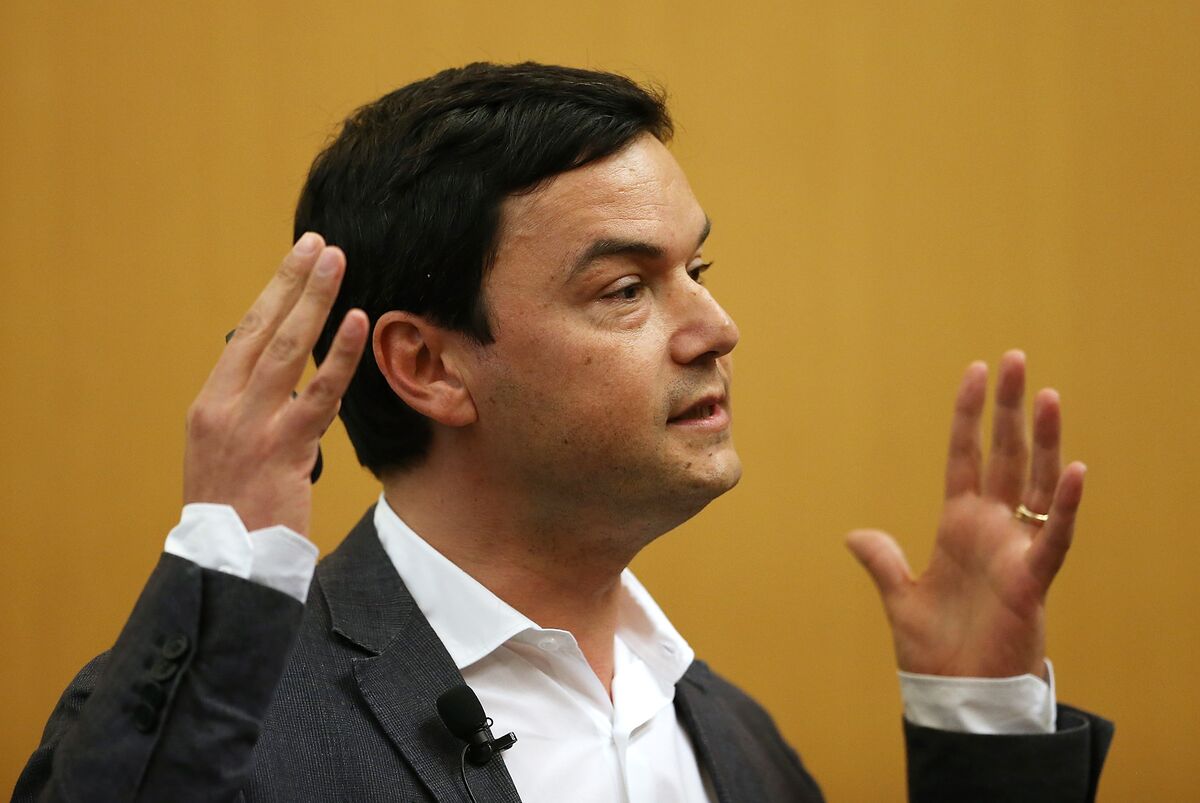
French economist Thomas Piketty stated that the proposed 2% wealth tax, central to France's budget debate, is an "absolute minimum" but ultimately insufficient. He argues a larger tax is necessary to adequately address the country's substantial public debt and required new investments, highlighting the significant fiscal challenges France faces.
Economist Thomas Piketty's assessment of France's proposed 2% wealth tax underscores a significant fiscal challenge for the nation. His characterization of the tax as an "absolute minimum" and "too small" signals that current political proposals may be inadequate to address the dual pressures of substantial public debt and the need for new investment. This commentary, emerging from a contentious "budget uproar," suggests that France's fiscal policy is at a critical juncture. The pessimistic tone implies that even if this tax is implemented, the underlying fiscal instability will persist, likely necessitating more aggressive and potentially market-disruptive measures in the future to achieve a sustainable financial footing. The situation points to heightened political and economic uncertainty surrounding French sovereign finances and domestic policy direction.
AI-powered research, real-time alerts, and portfolio analytics for institutional investors.
Request DemoOverall Sentiment
moderately negative
Sentiment Score
-0.50
