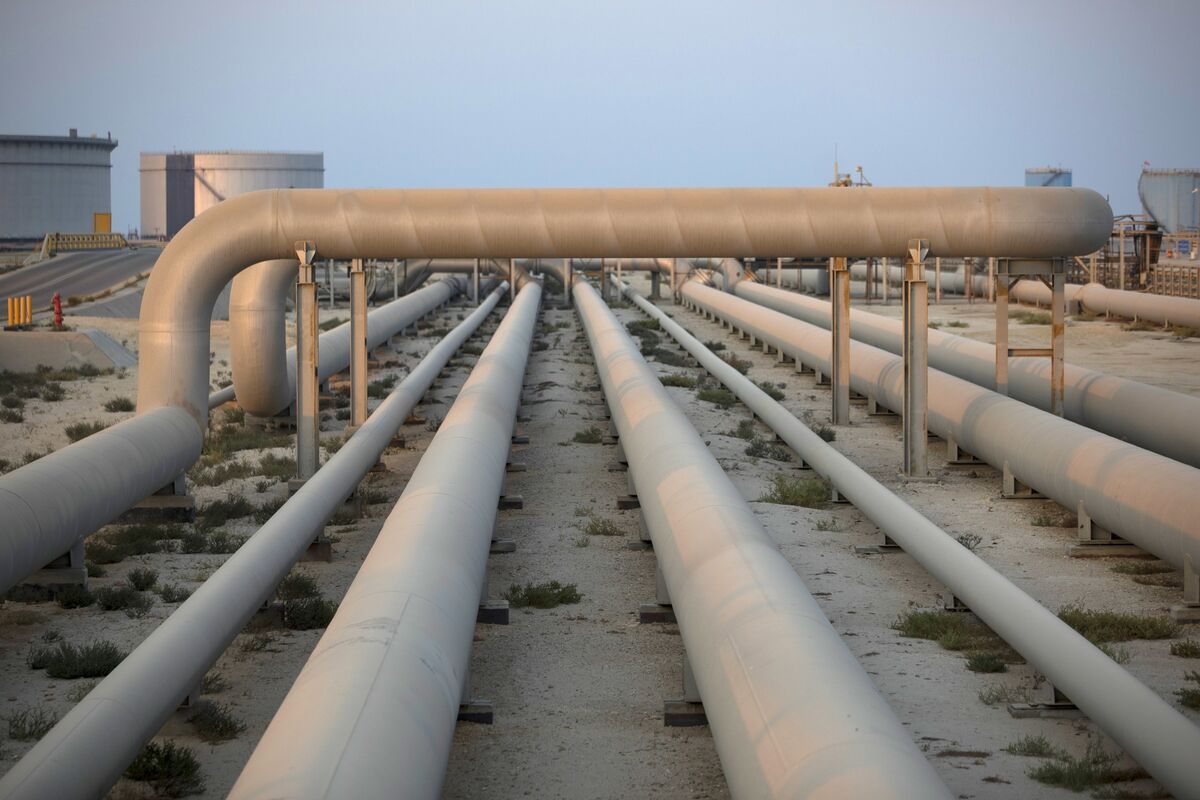
Saudi Arabia has significantly revised its 2025 budget deficit projection to 5.3% of GDP, up from a previous estimate of 2.3%. This deeper shortfall is driven by heavy government spending on its economic transformation initiatives coupled with the ongoing impact of weak oil prices, signaling increased fiscal pressure on the kingdom.
Saudi Arabia's fiscal position is set to weaken more than previously anticipated, with the Ministry of Finance revising its 2025 budget deficit forecast to 5.3% of GDP, a substantial increase from the prior estimate of 2.3%. This significant revision highlights a core tension in the kingdom's economic strategy: the commitment to heavy spending on its ambitious economic transformation agenda is clashing with the fiscal reality of persistent weakness in oil prices. The widening shortfall signals that government revenues are not keeping pace with expenditures, placing increased pressure on the nation's balance sheet and potentially necessitating greater debt issuance or a drawdown of reserves to fund the gap.
AI-powered research, real-time alerts, and portfolio analytics for institutional investors.
Request DemoOverall Sentiment
moderately negative
Sentiment Score
-0.50
