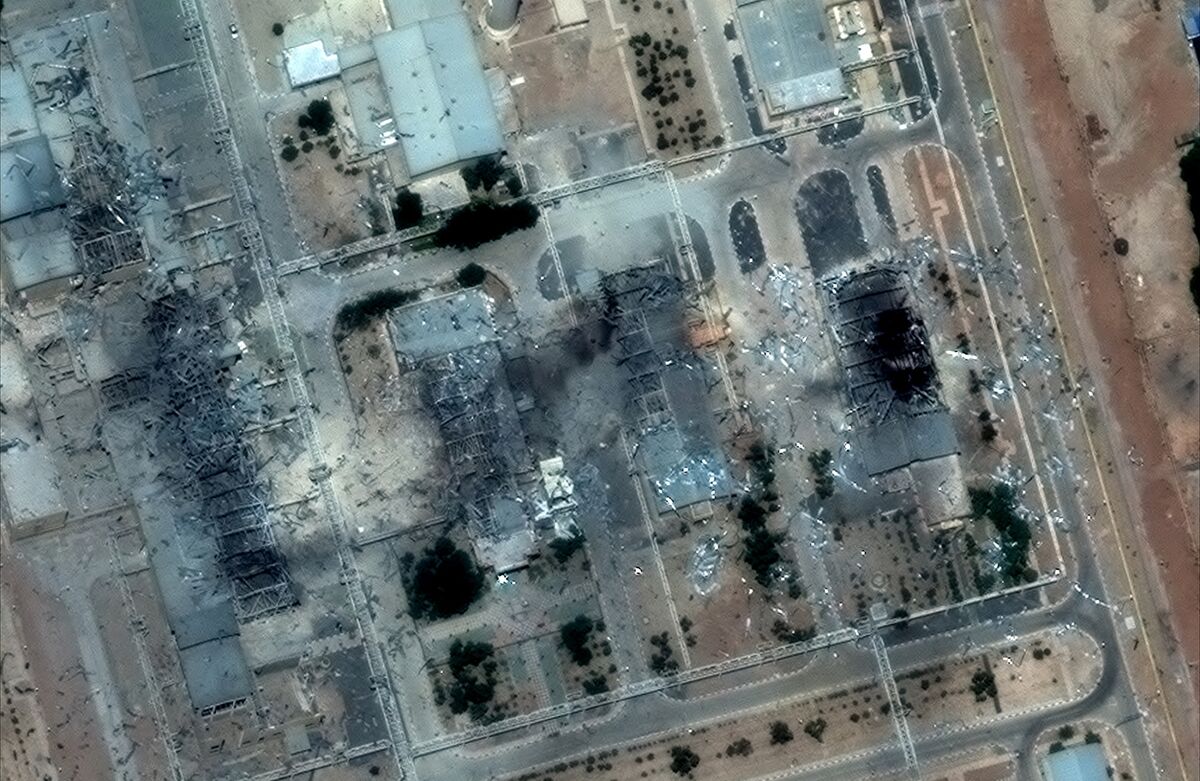
Iran's Foreign Ministry spokesperson has for the first time acknowledged that recent U.S. airstrikes 'badly damaged' the country's nuclear installations, though no specific details were provided. This statement from Tehran directly contradicts a U.S. intelligence report indicating the strikes did not cripple core components of Iran's nuclear program, a report President Trump had previously disputed. The conflicting accounts from Iran and the U.S. introduce significant uncertainty regarding the operational status of Iran's nuclear facilities and could escalate geopolitical tensions.
Iran has, for the first time, officially acknowledged that its nuclear installations were 'badly damaged' by recent US airstrikes, a significant escalation in rhetoric. This statement directly contradicts a US intelligence report which assessed that the strikes did not cripple core underground components of Iran's nuclear program. The situation is further complicated by the US President's public disagreement with his own intelligence community's assessment, creating a highly uncertain information environment. The conflicting narratives from Tehran and Washington introduce substantial geopolitical risk and ambiguity regarding the operational status of Iran's nuclear capabilities. This development, flagged with a high market impact score of 0.7 and a strongly negative sentiment, elevates the probability of further retaliatory actions and regional instability, creating a major headwind for global markets.
AI-powered research, real-time alerts, and portfolio analytics for institutional investors.
Request DemoOverall Sentiment
strongly negative
Sentiment Score
-0.70
