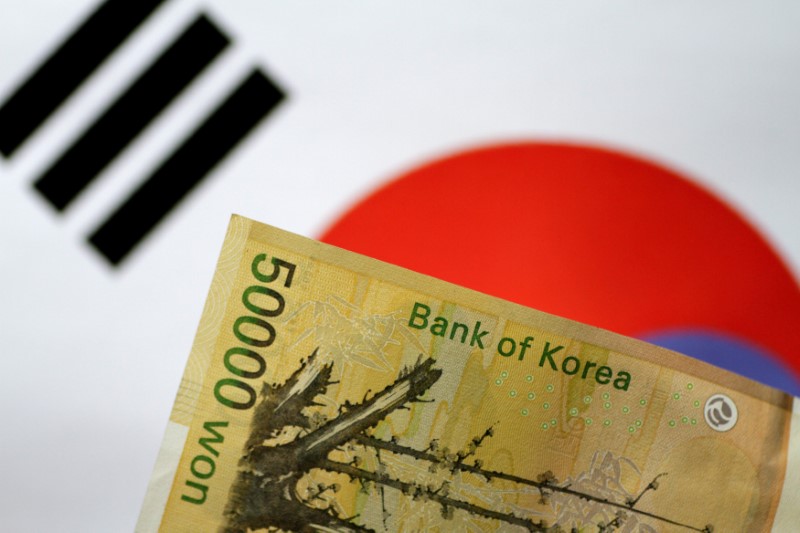
Asian currencies stabilized and edged higher Tuesday, recovering from sharp overnight losses, as U.S. President Trump signaled flexibility on the August 1 tariff deadline and openness to further negotiations, easing initial pressure on the South Korean won and Japanese yen. Concurrently, the Australian dollar gained ahead of an anticipated 25 basis point rate cut from the Reserve Bank of Australia later today, as markets focus shifts to monetary policy.
Asian currency markets are exhibiting a tentative recovery following significant overnight volatility sparked by U.S. tariff announcements. The initial market reaction was a sharp sell-off in the South Korean won and Japanese yen, with their respective USD pairs falling nearly 1% after the U.S. administration signaled new 25% tariffs effective August 1. However, sentiment stabilized and reversed course after President Trump indicated the deadline was flexible and that the U.S. remained open to negotiations. This rhetoric prompted a broad-based, albeit modest, weakening of the U.S. dollar, with the Dollar Index falling 0.2% and pairs like USD/KRW declining 0.7% in Asian trading. Concurrently, market focus is shifting to regional monetary policy, specifically the Reserve Bank of Australia (RBA), which is widely expected to deliver a 25 basis point interest rate cut. The Australian dollar's 0.3% appreciation ahead of the decision suggests the market has largely priced in this easing measure, likely turning its attention to the RBA's forward guidance amidst a backdrop of easing inflation and uncertain global growth.
AI-powered research, real-time alerts, and portfolio analytics for institutional investors.
Request DemoOverall Sentiment
moderately positive
Sentiment Score
0.40
