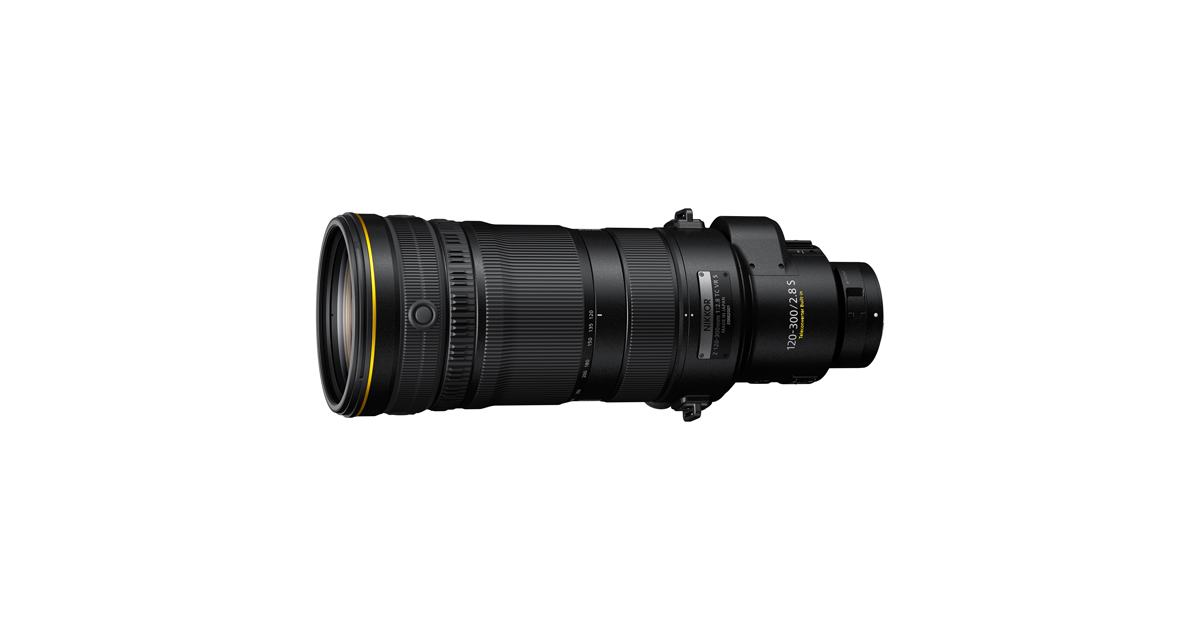
Nikon announced development of the NIKKOR Z 120-300mm f/2.8 TC VR S, a full-frame/FX mirrorless telephoto zoom lens with a built-in 1.4x teleconverter that extends reach to 420 mm. The S-Line product is positioned for professional sports and other high-end imaging use cases, highlighting Nikon's ongoing optical innovation. The release is largely informational and is unlikely to have a meaningful near-term market impact.
This is less a near-term revenue event than a signaling move that Nikon can still defend premium imaging share where incumbency and ecosystem lock-in matter most. The built-in teleconverter is a niche but defensible feature: it raises perceived product differentiation, supports higher average selling prices, and makes the lens more “must-own” for working pros than a commodity optic. The second-order effect is margin quality, not just unit growth — if Nikon can keep this in the high-end S-Line mix, the product should be accretive to gross margin even at modest volumes.
Competitive impact is asymmetric. Canon and Sony are the real watch-items because this reinforces Nikon’s credibility in pro sports/press circles, the one segment where switching costs are high but brand narrative matters. The bigger supply-chain implication is on precision optics, coatings, and stabilization components: any tightness there tends to favor vertically integrated OEMs and penalize smaller lens makers that compete on price rather than performance. If this product is well received, it can pull forward body upgrades as pros buy into the Z mount ecosystem, creating a halo effect that is more valuable than lens revenue itself.
The main risk is execution lag: announcements like this can flatter sentiment for months, but actual sell-through depends on availability, autofocus performance, and whether the weight/handling penalty is acceptable in the field. A failure to ship on time, or if reviewers find the built-in teleconverter compromises optical consistency, would turn the launch into a narrative event with little P&L follow-through. Also, because this is aimed at a small professional niche, the market may overestimate revenue contribution while underestimating the branding value — that makes the story more durable strategically than financially in the near term.
Contrarian view: the consensus may overfocus on the lens as a standalone SKU and miss that the real optionality is ecosystem retention. If Nikon can use this to reduce churn among its highest-value users, the payoff compounds over years through bodies, glass, and accessories. That argues for treating any post-announcement weakness in Nikon as a buying opportunity only if it is tied to broader imaging share data, not just the launch headline.
AI-powered research, real-time alerts, and portfolio analytics for institutional investors.
Request DemoOverall Sentiment
neutral
Sentiment Score
0.15
Ticker Sentiment
