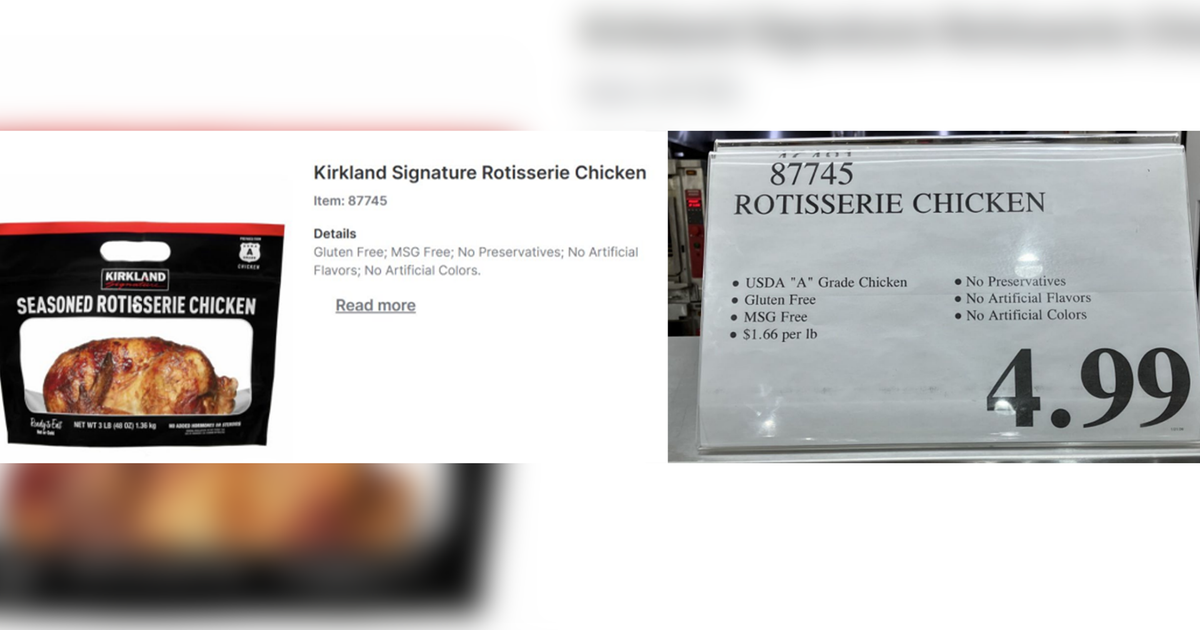
A proposed class action filed Jan. 22, 2026 by two California plaintiffs accuses Costco of falsely advertising its Kirkland rotisserie chicken as having “no preservatives,” alleging the product contains sodium phosphate and carrageenan which the suit claims act as preservatives. If certified, the class would include all U.S. purchasers with a California subclass sought; plaintiffs claim Costco “systematically cheated customers out of tens — if not hundreds — of millions of dollars” and seek unspecified monetary damages. Costco says it has removed preservative claims from signage/online presentations and that the ingredients are used for moisture/texture and are approved by food authorities. Certification and potential damages could create reputational and legal exposure, but the extent of financial impact remains uncertain and unspecified.
Market structure: The immediate winners are competitors with cleaner-label positioning (natural/organic grocers) who can market ‘no-preservative’ claims; losers are Costco’s prepared-food unit and any private-label suppliers whose margin is sensitive to reformulation costs. Pricing power is unlikely to shift materially—Costco’s membership model and scale mean a realistic sales drag is small (estimate: 0–50 bps impact to same‑store sales over 1–3 months), but local share could slip in health-conscious demographics. Cross-asset impact should be muted: expect a <5 bp move in COST credit spreads absent regulatory escalation; commodities (poultry feed/grain) and FX are immaterial.
Risk assessment: Tail risks include class certification with a settlement in the low‑hundreds of millions (sale‑impact + legal cost possibly 0.1–0.5% of market cap) or an FTC/State AG probe forcing relabeling and compliance remediation raising per‑unit COGS by $0.05–$0.25. Timeline: immediate (days) — headline volatility and IV uptick; short (weeks/months) — potential certification/settlement chatter and consumer sentiment erosion; long (quarters/years) — negligible if resolved or if Costco relabels, given strong membership retention. Hidden dependencies: Costco’s removal of on-line/warehouse claims reduces legal exposure quickly; operational risk centers on supplier contracts and labeling workflows.
Trade implications: Tactical plays include small tactical long exposure to COST on pullbacks (membership moat) and defined‑risk downside protection via short‑dated put spreads if IV spikes >20% from baseline. Pair trades: overweight COST vs underweight TGT or regional grocers for 3–9 months to capture defensive margin resilience. Catalysts to watch that should trigger sizing changes: court certification, DOJ/State letters, Costco’s 10‑Q/earnings commentary, and a >3% sustained move in same‑store sales.
Contrarian angles: Consensus treats this as reputation noise; that understates Costco’s ability to neutralize legal headlines via rapid label edits — probability of material financial damage is low (<20%). The market may overprice headline risk: a >3–5% selloff is likely an overreaction and creates asymmetric buy opportunity given membership revenue visibility. Historical parallels (domestic class actions vs retailers) usually end in modest settlements and no long‑term share loss; risk is regulatory escalation which would be the true inflection, not the suit itself.
AI-powered research, real-time alerts, and portfolio analytics for institutional investors.
Request DemoOverall Sentiment
moderately negative
Sentiment Score
-0.30
Ticker Sentiment
