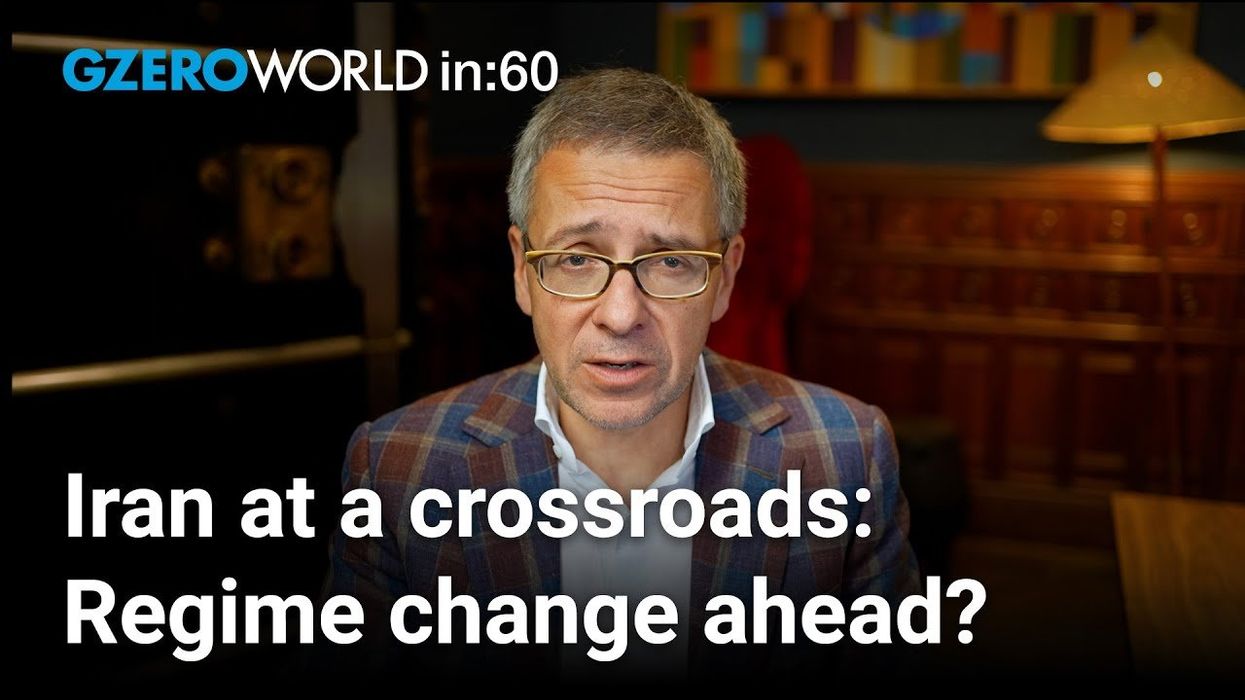
Ian Bremmer of Eurasia Group suggests that internal dynamics, rather than foreign intervention, will determine the future of Iran's regime, with the military potentially maintaining control even if the Supreme Leader is ousted. He also notes that despite reduced international attention, NATO support for Ukraine remains strong, and the upcoming NATO summit will be crucial. Finally, Bremmer expresses skepticism about China's push for a multipolar currency system, arguing that it is premature.
Ian Bremmer of Eurasia Group indicates that the future direction of Iran's regime will be primarily determined by internal factors and the Iranian people, rather than foreign intervention, suggesting a high likelihood of the military maintaining control even if the Supreme Leader is ousted. This implies that significant political shifts may not be imminent or externally driven. Concurrently, despite a decrease in international media focus on Ukraine amidst intensified Russian strikes, Bremmer observes that NATO support for Kyiv remains "pretty solid," with the upcoming NATO summit in The Hague expected to be a crucial demonstration of this ongoing commitment. Regarding global economic structures, Bremmer expresses skepticism about China's ambitions for a multipolar currency system, deeming it "premature" to expect a fundamental shift in the currency order, even though economic multipolarity is an established trend. These insights highlight persistent geopolitical complexities in the Middle East, sustained Western strategic interests in Eastern Europe, and a cautious outlook on significant near-term changes to the global currency hierarchy.
AI-powered research, real-time alerts, and portfolio analytics for institutional investors.
Request DemoOverall Sentiment
Neutral
Sentiment Score
0.00
