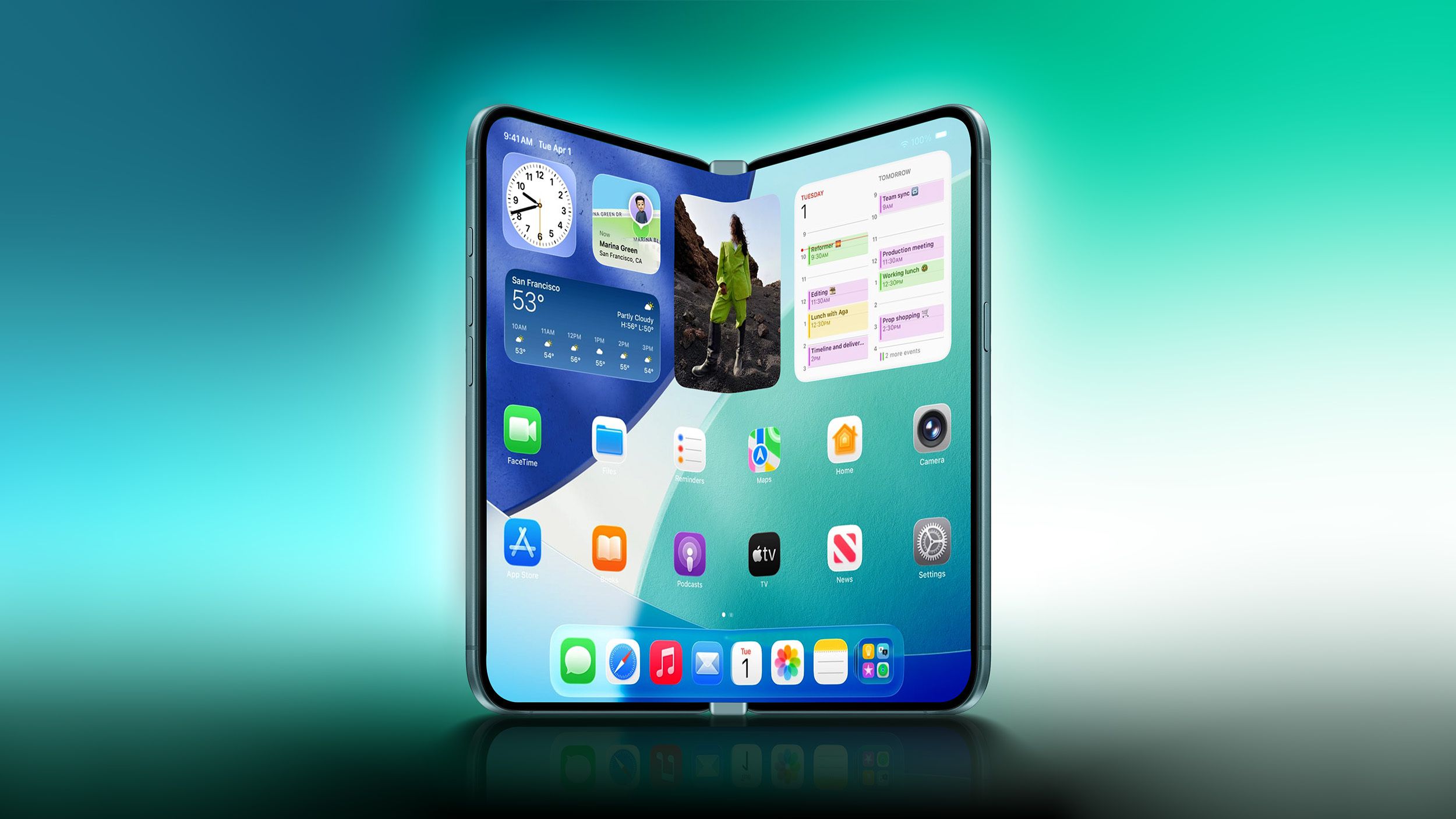
Apple is testing next-generation ultra-thin flexible glass (UFG) with uneven thickness to reduce the visible crease on a book-style foldable iPhone, targeting a virtually crease-free 7.8-inch inner display and a 5.3–5.5-inch external screen using liquid-metal hinges. Testing is ongoing as Apple moves into production validation ahead of a planned 2026 launch alongside iPhone 18 Pro models; multiple Chinese display makers are evaluating UFG and the device is expected to be priced at roughly $2,000–$2,500, with existing UTG solutions retained as a fallback.
Market structure: Apple is the primary beneficiary — a successful UFG foldable with a $2,000–$2,500 ASP would increase iPhone ASPs and strengthen pricing power for high-end models, shifting ~1–3% of unit mix into ultra‑premium price points over 2–3 years and boosting Services/attach revenue per user. Glass suppliers (Corning/AGC/Nippon) and specialized hinge/material vendors could capture disproportionate margin if they win design wins; incumbent UTG suppliers and low‑end flexible OLED makers face displacement risk and price pressure.
Risk assessment: Key tail risks include catastrophic yield problems, hinge reliability leading to recalls, or geopolitical export controls that cut off Chinese suppliers — each could wipe 10–30% off expected supplier revenues. Immediate (days) impact will be limited to rumor-driven moves; short-term (weeks/months) depends on supplier guidance and 1H earnings; long-term (2026+) is where material cash‑flow upside or downside crystallizes. Hidden dependencies: liquid‑metal hinge supply, specialized coating/process yields, and Apple’s fallback to mature UTG if UFG underperforms.
Trade implications: Favor option-levered exposure to Apple’s optionality and selective supplier exposure rather than outright large-capex bets on display OEMs. Use 12–24 month call spreads on AAPL to capture potential re‑rating, small capex-style long positions in GLW for glass IP upside, and consider relative-value short exposure to less diversified display OEMs (LGD/LPL) that face order risk. Catalysts to watch: supplier order announcements, Apple's supplier checks, and 1–2 quarterly earnings guides.
Contrarian angles: Consensus assumes UFG commercialization is binary; reality is likely concentrated winners — one or two suppliers could capture 60%+ of Apple's volume, producing asymmetric returns. The market may underprice failure modes (recall, high R&D scrap) and overprice broad supplier upside; historical parallel: Apple Watch S‑curve where one glass/coating provider captured outsized share. Unintended consequences include service cost increases and potential cannibalization of Pro models that mute overall margin gains.
AI-powered research, real-time alerts, and portfolio analytics for institutional investors.
Request DemoOverall Sentiment
mildly positive
Sentiment Score
0.25
Ticker Sentiment
