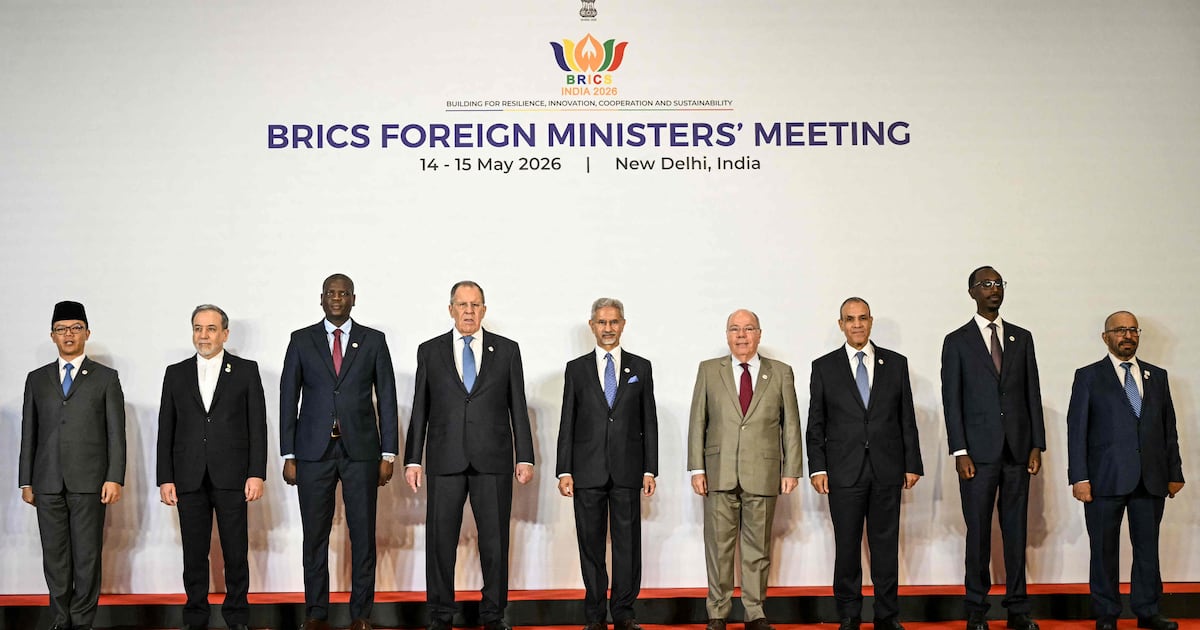
The article highlights escalating geopolitical tensions across the Gulf and Levant, including reported Israeli strikes killing 12 in Lebanon, Iran threatening Kuwait, and the US saying the Iran blockade remains in full effect. The UN said 11 seafarers were killed in 38 attacks in the Arabian Gulf, underscoring heightened risk to shipping and regional logistics. While the China-U.S. diplomatic talks may be constructive, the dominant market takeaway is elevated regional conflict risk and potential disruption to trade and transport.
The market is underpricing how quickly maritime risk can migrate from a regional headline to a global pricing mechanism. The key second-order effect is not just higher freight and insurance costs, but route substitution: if Gulf traffic remains unstable for weeks, shippers will bias toward longer, safer paths, tightening effective vessel supply and lifting rates across tankers, containerships, and LNG carriers even without a volume shock. That tends to hit import-dependent EMs, chemicals, and airlines first, while benefiting defense, cyber, surveillance, and select energy infrastructure names. The most important catalyst path is binary and time-sensitive. A de-escalation narrative from top-level diplomacy can compress risk premia in days, but the operational backdrop described here suggests tail-risk remains elevated for 1-3 months because even a partial ceasefire does not immediately restore confidence in Gulf transit security. The market should also distinguish between localized skirmishes and a policy response that broadens sanctions enforcement; tighter blockade implementation can be more disruptive than a single kinetic event because it raises compliance costs, delays cargoes, and forces working-capital builds across the supply chain. The contrarian miss is that headline fatigue may be masking a real earnings revision cycle for logistics and EMs. Historically, the second leg of these events comes through not in spot energy, but in missed deliveries, inventory hoarding, and working-capital pressure, which can compress margins for industrial importers over the next quarter. If the Gulf ministerial response produces a credible security framework, the risk premium can unwind sharply, but absent that, the default should be to fade companies with thin gross margins and heavy Gulf exposure rather than chase broad market hedges. A subtler opportunity is that defense and maritime-security beneficiaries may lag the first move because investors initially treat this as an oil story; the follow-through trade is in surveillance, drones, coastal defense, and naval support names. That second-order spend can persist for years even if the immediate crisis cools, because regional governments tend to convert acute security shocks into multi-year procurement cycles.
AI-powered research, real-time alerts, and portfolio analytics for institutional investors.
Request DemoOverall Sentiment
moderately negative
Sentiment Score
-0.45
