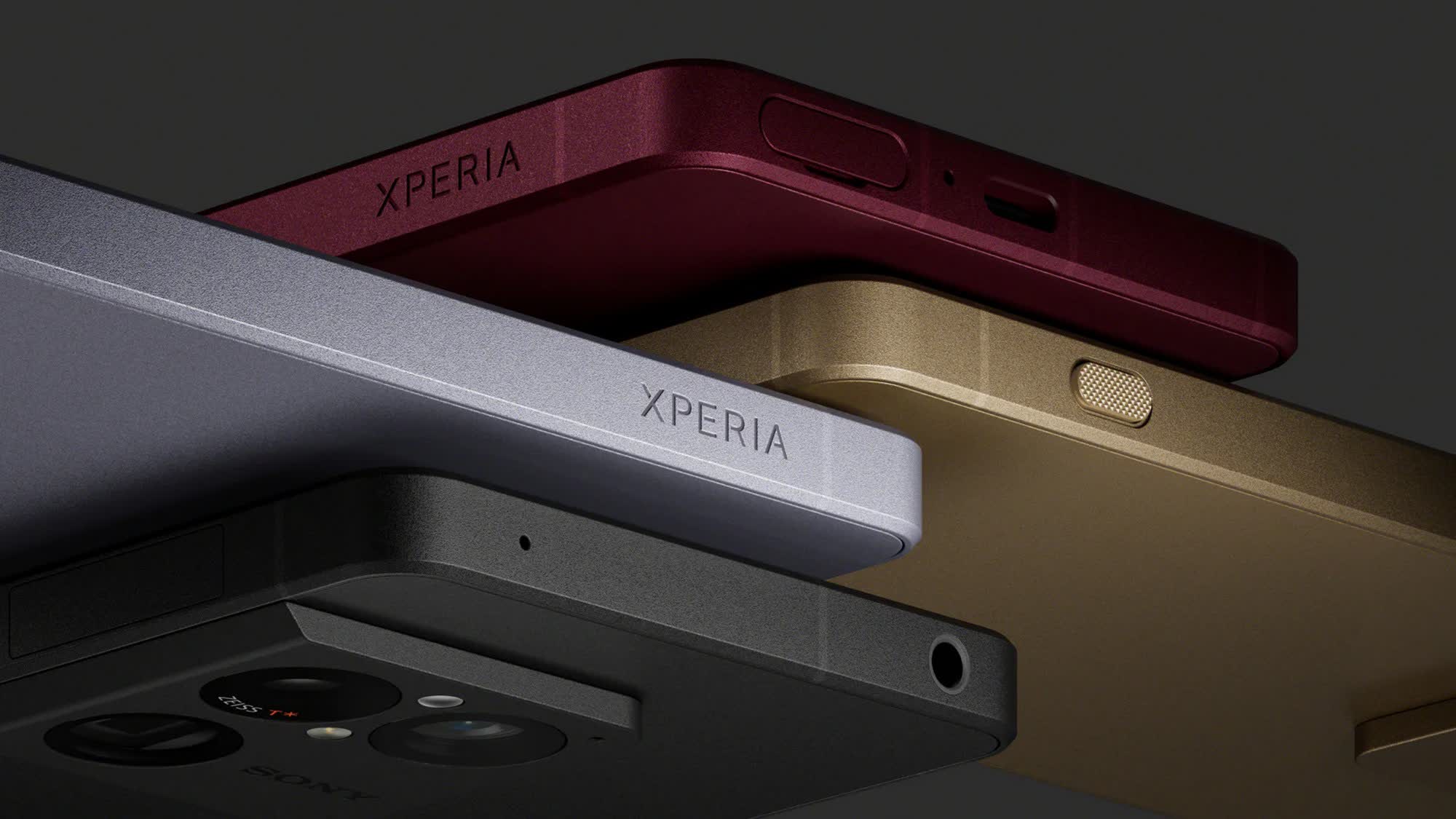
Sony launched the Xperia 1 VIII flagship smartphone with premium specs including a Snapdragon 8 Elite Gen 5, 6.5-inch 120Hz LTPO AMOLED display, 5,000mAh battery, and a triple 48MP rear camera system. The phone emphasizes differentiated legacy features such as a 3.5mm headphone jack, microSD support, and thick bezels, while adding Android 16 and an AI camera assistant. Pricing starts at £1,399 in the UK and €1,499 in select EU markets, with a free WH-1000XM6 headset offered on pre-orders.
Sony’s handset strategy looks less like a growth engine and more like a controlled ecosystem defense: the economics are likely acceptable only if the device acts as a halo product that preserves brand affinity and pulls through higher-margin audio/camera accessories. That makes the incremental profit pool more about attachment rates and channel mix than unit volumes, which should limit enthusiasm for a broad re-rating unless management can show sustained operating leverage in the mobile division. The more interesting competitive read-through is for premium Android peers: Sony is effectively validating that a small but durable cohort still pays up for function-first hardware, which pressures Samsung and Google at the margin to defend enthusiast niches without materially changing their mainstream product design. For component suppliers, this kind of launch supports niche demand for high-end camera modules, LTPO displays, and premium codecs/ancillaries, but the volumes are too small to matter at the semiconductor level; the only second-order winner with real monetary relevance is Sony’s own audio franchise if the pre-order bundle converts into longer-term ecosystem lock-in. Near-term upside is likely capped by price elasticity: at these levels the launch is more of a brand statement than a mass-market sales event, so any lift to consensus should be modest and confined to Japan/Europe over the next 1-2 quarters. The key risk is that the model underperforms on sell-through after the initial enthusiast burst, which would reinforce the market’s view that mobile is strategically important but financially immaterial. A broader reversal would require evidence that Sony can use this niche to expand recurring accessory revenue or improve gross margin mix in consumer electronics over the next 12 months. The contrarian angle is that the market may be underestimating the value of Sony’s willingness to keep a differentiated premium SKU alive: even low-volume products can sustain pricing power and cross-sell optionality in adjacent categories. For GOOGL, the implication is mostly competitive rather than financial—Sony’s AI camera assistant is not a threat, but it signals continued fragmentation in on-device AI features, which could slightly slow the pace at which consumers standardize on a single AI-centric mobile ecosystem.
AI-powered research, real-time alerts, and portfolio analytics for institutional investors.
Request DemoOverall Sentiment
mildly positive
Sentiment Score
0.25
Ticker Sentiment
