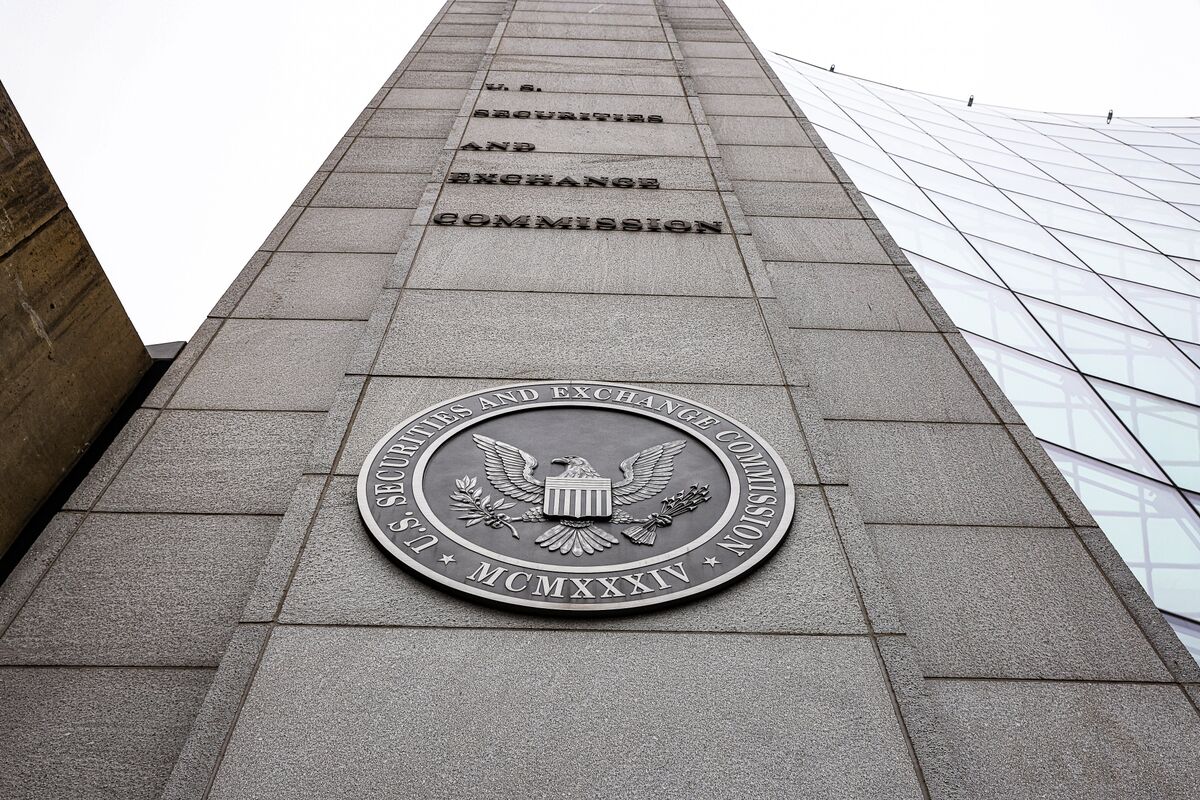
The SEC's proposed semiannual corporate-disclosure plan was delivered to the White House Office of Management and Budget for review, indicating the rule is nearing the public-notice stage. If OMB clearance is granted, the SEC can vote to publish the proposal for public comment and would require a subsequent commissioners' vote—potentially months later—to adopt a final rule.
Raising baseline disclosure frequency is a structural shock to the marginal cost of being a public company: expect compliance budgets to lift 5–15% for sub-$2bn market-cap issuers in the first 12–18 months as they hire external counsel, auditors and filing vendors. That reallocation of cash flow is non-linear — cash-constrained small caps will either cut discretionary buybacks/dividends or pull forward capital raises, increasing issuance activity and volatility in the microcap segment.
The winners are likely to be firms that can scale filing and governance workflows: vendor-led automation (document generation, XBRL tagging, proxy and repurchase reporting) benefits from sticky contracting and cross-sell, producing 15–30% incremental revenue opportunities over 2–3 years if adoption is broad. Conversely, active short-term alpha strategies that rely on disclosure latency will see signal-to-noise fall; expect QR/volatility compression in mid-large caps and a relative widening of spreads among smaller names where compliance slippage persists.
Timing matters: the OMB/White House window typically allows a 60–90 day review and then a multi-month comment period, so material market pricing happens in two stages — an informational release (vote to publish) and a finalization vote months later. Tail risks include substantial dilution of the rule via lobbying (narrowed scope or thresholds) or legal challenge that could delay effective implementation by 12–24 months; conversely, a straight-through final rule would front-load vendor revenue within 6–12 months.
The consensus underestimates procurement cycles and contract stickiness — once CFOs onboard new filing platforms the annual renewal economics favor incumbents, making the regulatory change a multi-year growth runway for a handful of specialist vendors rather than a one-off compliance spike.
AI-powered research, real-time alerts, and portfolio analytics for institutional investors.
Request DemoOverall Sentiment
neutral
Sentiment Score
0.00
