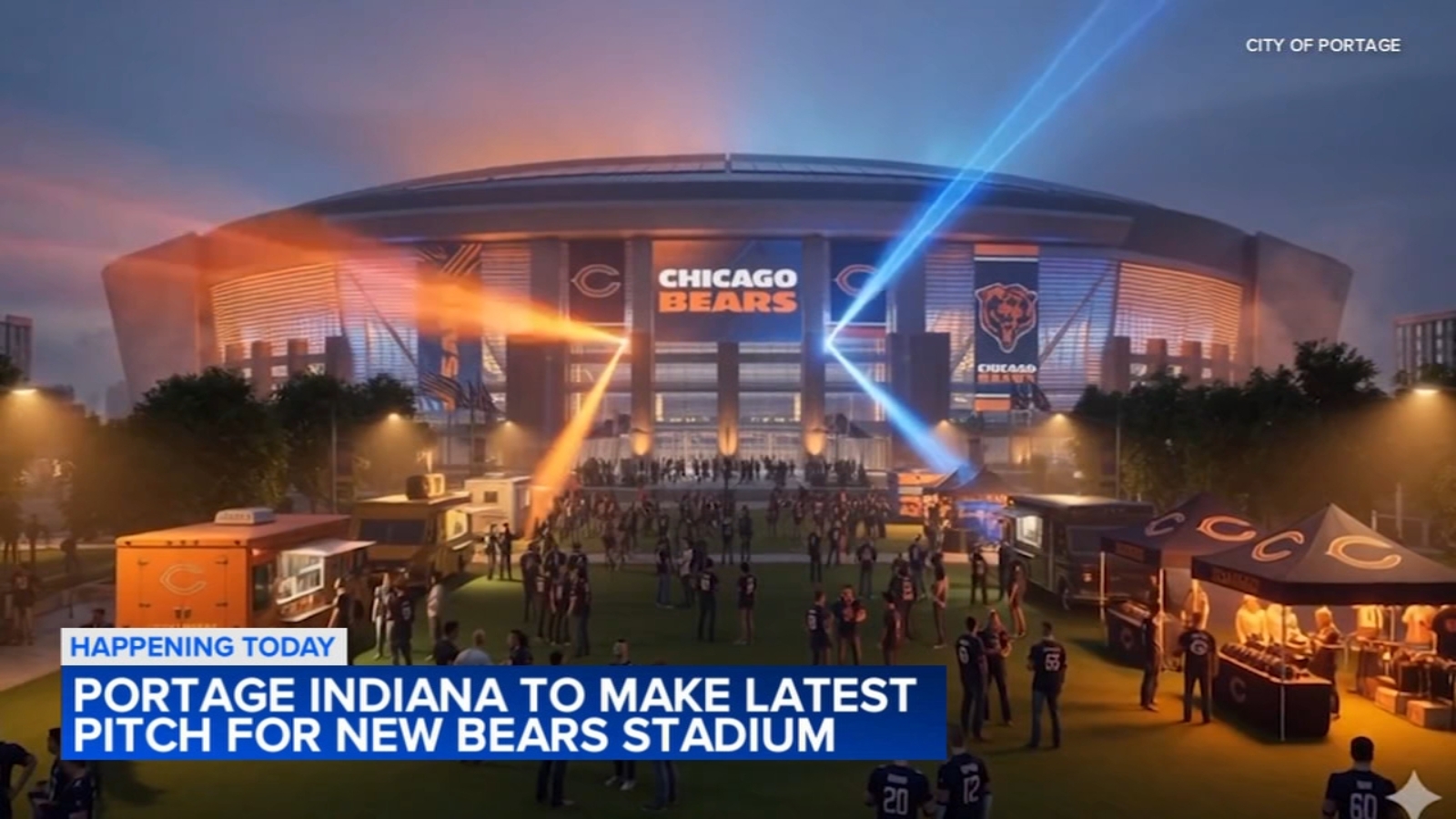
Portage, Indiana unveiled plans for a 300+ acre 'Halas Harbor' stadium complex between Route 12 and I‑94 as a bid to attract the Chicago Bears, joining competing proposals in Arlington Heights and near Hammond. Indiana lawmakers are fast‑tracking a bill to fund infrastructure around a potential stadium while the team would pay for construction; Bears and state legislative leaders have met weekly since December, and sources say a decision is expected in the coming weeks, with Chicago not currently seen as the frontrunner.
Market structure: A relocation to northwest Indiana would concentrate winners in regional construction/materials (road, utility, stadium) and local hospitality/retail around the 300+ acre site while downtown Chicago event-driven hospitality and parking revenues would modestly decline. Public contractors and input suppliers (heavy equipment, aggregates) gain short-term pricing power during 18–36 month build windows; municipal finance demand will shift toward Indiana issuers, possibly tightening spreads by 10–50bps for IN munis vs IL local paper.
Risk assessment: Key tail risks are legislative reversal in Indiana, legal challenges, or a Bears decision to stay — each could wipe out near-term construction upside and widen local muni spreads by >100bps. Immediate horizon (days–weeks): Bears announcement; short-term (0–6 months): state budget votes, RFPs, bond authorizations; long-term (1–4 years): construction, lease and event revenue realization. Hidden dependencies include transit easements, federal permits and NFL approval processes that can delay cash flows by 6–24 months.
Trade implications: Favor selective exposure to publicly traded builders and materials with Midwest balance sheets (Jacobs J, Martin Marietta MLM, Vulcan VMC, Caterpillar CAT) and underweight Chicago-focused hospitality/REITs (Host HST, VNO) on 3–12 month timeframes. Use defined-risk options to time exposures: buy 6-month call spreads on J and MLM (limit each to 1–2% portfolio), and buy 3–6 month puts on HST for downside protection; add municipal credit via MUB if Indiana issuance shows commitments.
Contrarian angles: The market underprices execution risk — if the Bears pick Indiana, select contractors likely see orderbooks but margin pressure from subcontractor shortages could cap upside to +8–12% vs consensus >20%. Conversely, if Chicago retains the team, short Chicago hospitality/muni directional trades could outperform; use tight stop-losses (5–10%) and monitor three binary catalysts (team announcement, state legislative vote, first RFP award) within 0–90 days.
AI-powered research, real-time alerts, and portfolio analytics for institutional investors.
Request DemoOverall Sentiment
neutral
Sentiment Score
0.05
