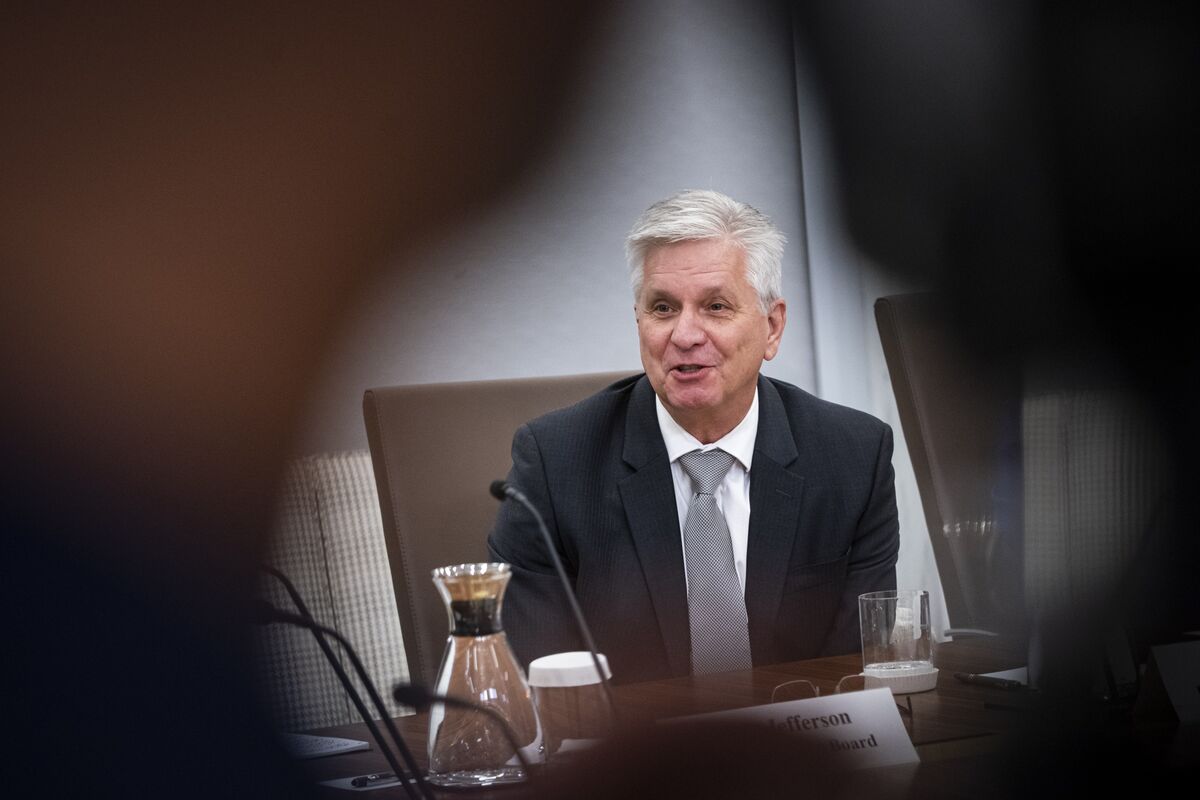
Federal Reserve Governor Christopher Waller publicly advocated for a rate cut at the upcoming July 29-30 FOMC meeting, driven by concerns over private-sector job growth. His strong stance, stopping just short of indicating dissent, signals a notable internal push for monetary easing within the Fed, specifically tied to labor market conditions.
Federal Reserve Governor Christopher Waller has explicitly signaled his support for an interest rate cut at the upcoming July 29-30 FOMC meeting, citing concerns over weakness in private-sector hiring. This dovish stance is significant as Waller stopped just short of threatening a dissent, indicating a strong conviction and highlighting a potential schism within the committee regarding the appropriate policy path. The commentary firmly places labor market data at the center of the Fed's immediate decision-making process. The market's interpretation of these remarks is mildly positive, reflecting the general view that monetary easing is supportive of asset prices, underscored by the moderate market impact score of 0.6.
AI-powered research, real-time alerts, and portfolio analytics for institutional investors.
Request DemoOverall Sentiment
mildly positive
Sentiment Score
0.15
