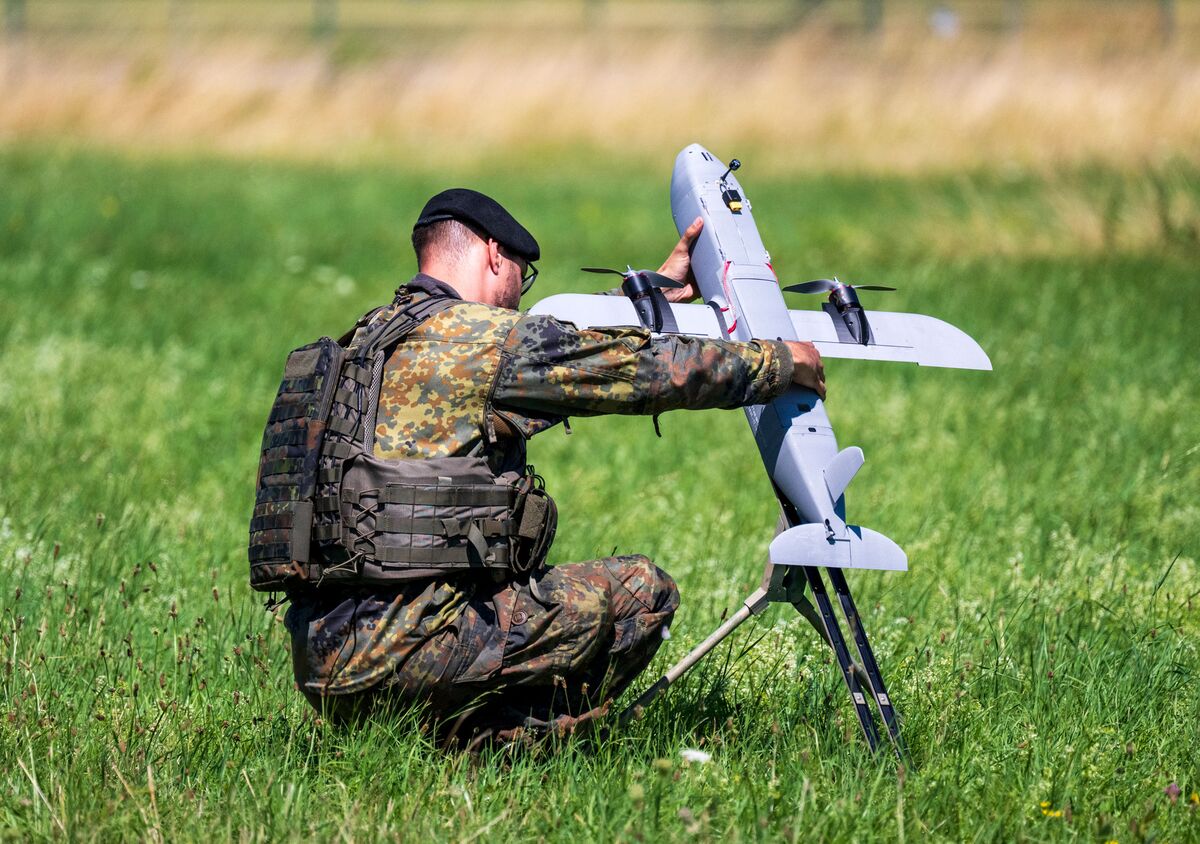
The proliferation of inexpensive drones in modern warfare, as seen in the Ukraine-Russia conflict, presents a significant cost-ineffectiveness challenge for global militaries. Drones costing mere hundreds to thousands of dollars are proving far cheaper than traditional air defense missiles, which can run into tens of millions, compelling a strategic shift towards more economical defense solutions.
A significant economic and strategic imbalance is emerging in modern warfare, driven by the proliferation of low-cost uncrewed systems. As demonstrated in the Ukraine-Russia conflict, offensive drones costing from a few hundred to several thousand dollars are creating a cost-ineffective defense paradigm, as traditional interceptor missiles can cost tens of millions per unit. This disparity is forcing a strategic re-evaluation within global militaries, which are now actively seeking cheaper defense solutions. The trend is exacerbated by the rapid depreciation of drone costs due to technological innovation and mass production, suggesting the threat of inexpensive, numerous aerial systems is a permanent fixture of the modern battlefield. This creates a structural demand shift within the defense sector toward cost-effective, scalable counter-drone technologies and away from a sole reliance on high-cost, high-end air defense platforms.
AI-powered research, real-time alerts, and portfolio analytics for institutional investors.
Request DemoOverall Sentiment
moderately negative
Sentiment Score
-0.40
