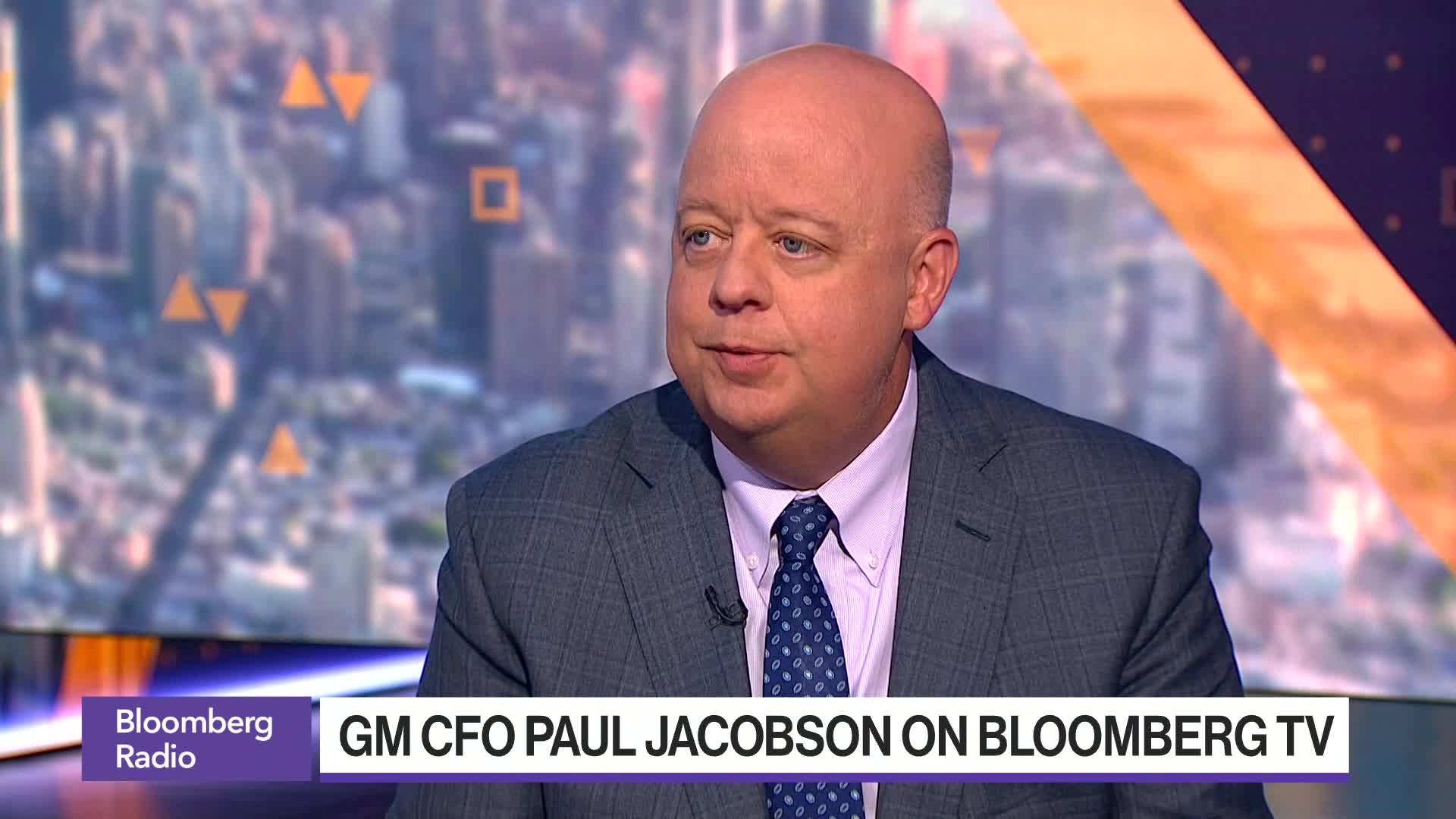
General Motors will invest $4 billion in its US plants over the next two years, driven by President Trump's tariffs. The investment will expand factories in Michigan, Kansas, and Tennessee, according to CFO Brian Jacobson.
General Motors is undertaking a significant strategic shift by investing $4 billion over the next two years to expand its US manufacturing footprint in Michigan, Kansas, and Tennessee, a decision directly attributed by CFO Brian Jacobson as a response to President Donald Trump's tariffs. This substantial capital allocation indicates a move to bolster domestic production, potentially to mitigate tariff-related costs and supply chain vulnerabilities. The market's moderately positive sentiment (overall score 0.6, GM-specific 0.7) and optimistic tone suggest that this proactive adaptation to trade policy changes is viewed as a constructive step, despite the investment being reactive to external pressures. This development directly impacts GM's operational strategy and capital expenditure plans, highlighting the tangible effects of trade policies on major automotive manufacturers and their efforts to adjust supply chains.
AI-powered research, real-time alerts, and portfolio analytics for institutional investors.
Request DemoOverall Sentiment
moderately positive
Sentiment Score
0.60
Ticker Sentiment
