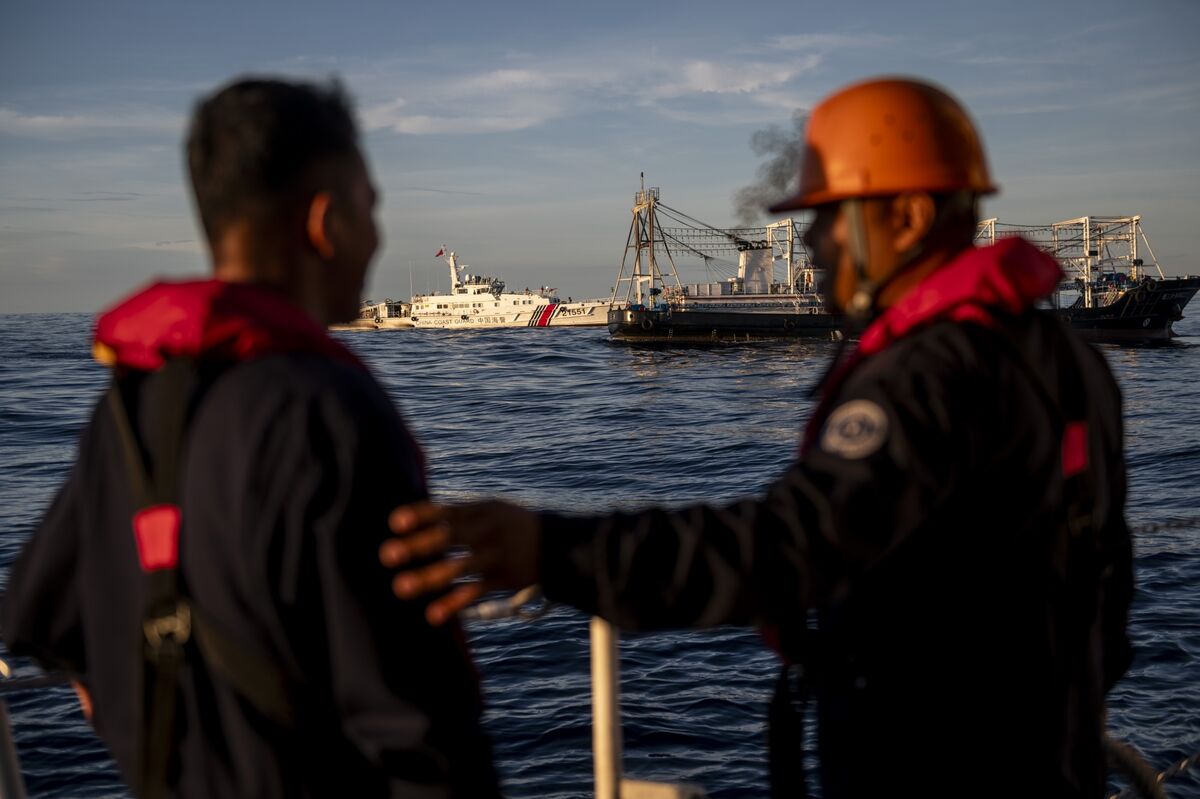
The Philippines has accused a Chinese vessel of deliberately ramming a Philippine government ship in the disputed South China Sea, causing structural damage and escalating maritime tensions between the two nations. This incident, which followed an initial water cannon attack, highlights ongoing geopolitical risks in a critical global shipping lane, potentially impacting regional stability and trade.
The deliberate ramming of a Philippine government vessel by a Chinese ship in the disputed South China Sea, following a water cannon attack, marks a significant escalation of maritime tensions. This incident, which caused structural damage to the Philippine vessel, underscores increasing geopolitical risks in a critical global shipping lane.
The event carries a "strongly negative" sentiment and a "significant market impact score" of 0.7, reflecting concerns over regional stability and potential disruptions to international trade. The South China Sea is vital for global commerce, and any heightened conflict could have far-reaching economic consequences.
While the immediate incident is negative, the "uncertain" tone suggests that the broader implications and potential for de-escalation remain unclear. This ambiguity could lead to sustained volatility and risk premiums in markets sensitive to geopolitical developments in the Indo-Pacific region.
AI-powered research, real-time alerts, and portfolio analytics for institutional investors.
Request DemoOverall Sentiment
strongly negative
Sentiment Score
-0.70
