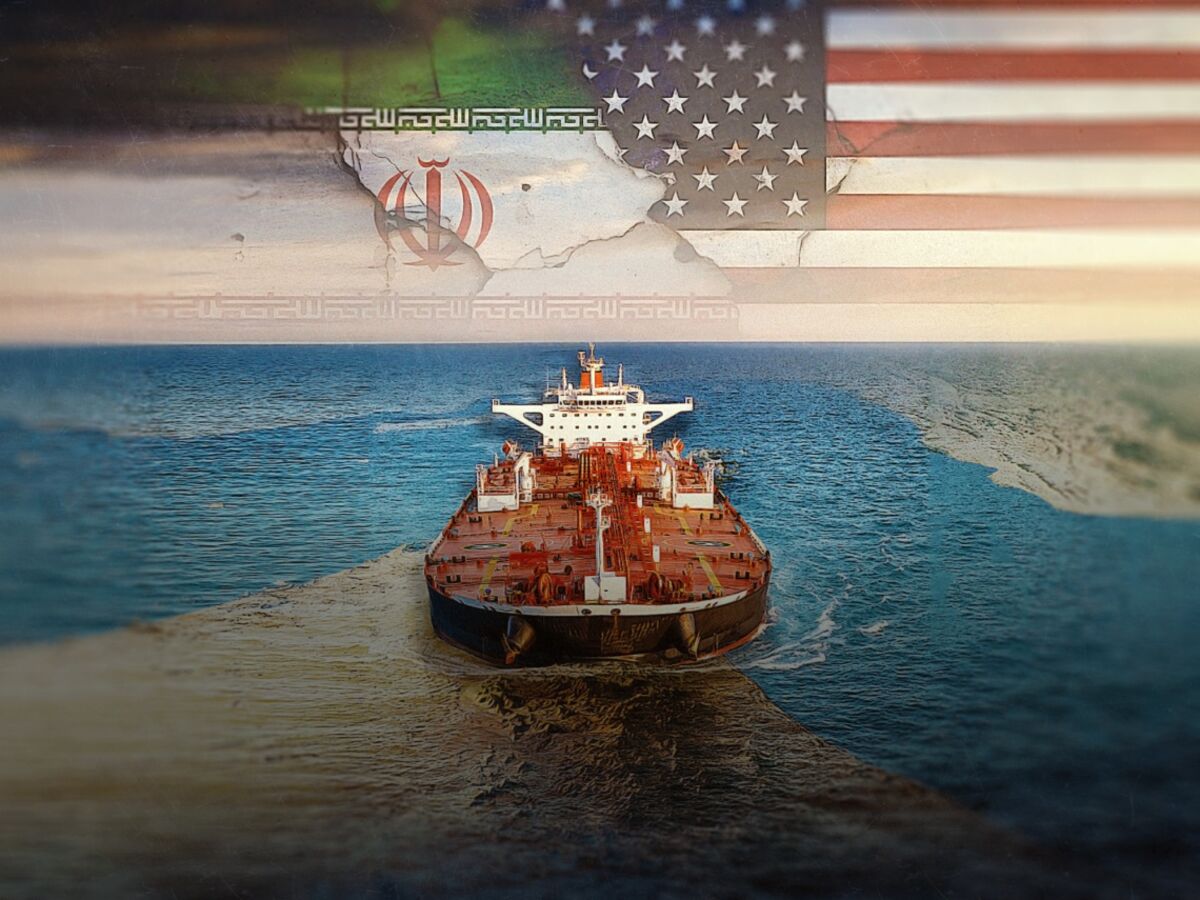
A ship was hit by an unknown projectile in the Strait of Hormuz, prompting the UN to pause evacuation operations and several freighters to turn back. The incident raises immediate risk to one of the world’s most important oil transit chokepoints, with the US reportedly blaming Iran while officials said attribution remains unconfirmed. Tehran’s reported proposal to charge security fees in the strait, and Marco Rubio’s rejection of it, adds to already elevated geopolitical तनाव and supply-chain disruption risk.
This is a classic marginal-shock event in a chokepoint: the first-order move is higher crude and freight, but the more important second-order effect is optionality destruction. Even without a sustained physical disruption, repeated turnbacks and a halted evacuation cadence raise the probability of “self-sanctioning” by shippers, insurers, and charterers, which can reduce effective supply faster than barrels are actually lost. That tends to show up first in prompt spreads, tanker rates, and freight-sensitive refiners before it fully filters into headline Brent. The market is likely underestimating how asymmetric the tail is over the next 1-10 trading days. If vessel traffic normalizes, risk premia can fade quickly, but if there is any follow-on incident, insurers may widen war-risk premiums and crews may demand rerouting, creating a discontinuous jump in transport costs that persists for weeks. The key second-order winners are non-Hormuz barrels and domestic logistics assets; the losers are import-dependent refiners, airlines, chemicals, and any long-duration industrials with limited feedstock pass-through. A more subtle issue is policy signaling: talk of charging security fees implies a monetization regime that, even if not implemented, keeps a persistent tax on passage in the narrative. That matters because markets price chronic friction differently than one-off disruptions; a recurring fee/incident regime would support a higher structural risk premium in oil, but also a steeper forward curve in tanker costs and a broader inflation impulse. The contrarian view is that this may be a headline spike rather than a true supply outage, so chasing outright crude beta after the initial move carries poor convexity unless there is evidence of actual transit stoppage or damage to loading infrastructure.
AI-powered research, real-time alerts, and portfolio analytics for institutional investors.
Request DemoOverall Sentiment
strongly negative
Sentiment Score
-0.70
