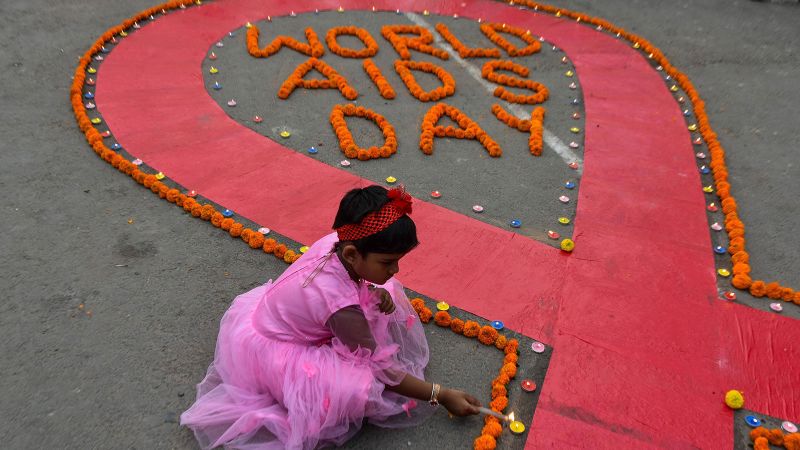
The United States will not formally commemorate World AIDS Day this year amid the Trump administration's withdrawal from WHO and rollout of an “America First Global Health Strategy,” while officials say work on HIV/AIDS will continue through PEPFAR. Globally 39.9 million people live with HIV (about 1.2 million in the U.S., with ~13% undiagnosed), and public-health experts warn that proposed budget and aid shifts risk reversing progress, raising new transmissions and health-care costs. Analysts should monitor potential funding disruptions to global health programs and NGOs, though direct market implications appear limited.
Market structure: A reorientation away from multilateral WHO-driven programs and potential cuts to global health aid favor large, vertically integrated pharmaceutical and diagnostics players with direct-to-market sales and pricing power (e.g., GILD, PFE, ABT). Smaller NGOs, service contractors and generic procurement intermediaries will lose volume and pricing leverage in emerging markets, shifting share toward incumbent brand owners and a subset of low-cost generics makers (TEVA, VTRS) that win tender-by-tender.
Risk assessment: Near-term headline risk (days–weeks) will drive volatility in equities and EM FX; medium-term (3–12 months) the main risk is a measurable rise in untreated HIV prevalence that increases ARV and diagnostic demand by an estimated low-single-digit percentage annually in aid-affected markets. Tail scenarios include a rapid policy reversal or emergency supplemental funding (fast positive shock to NGO contractors) or a sustained rollback leading to legal/litigation and higher long-term healthcare costs in developed markets.
Trade implications: Prefer overweight pharma and diagnostics vs underweight EM sovereigns and development contractors; expect modest margin expansion for ARV incumbents if tender mix shifts from donors to payers. Options can monetize asymmetric upside in blue‑chips (call spreads) and cheap protection for EM credit exposure (put spreads) over 3–12 months; watch quarterly spending debates and PEPFAR appropriations as catalysts.
Contrarian angles: Consensus assumes universal harm to all healthcare names; miss is that branded ARV producers (GILD, PFE) may see a 1–4% incremental revenue tailwind in 12–24 months while NGO services compress. Historical precedent (PEPFAR reshuffles after 2008 cuts) shows winners often consolidate procurement share within 6–18 months — act within that window.
AI-powered research, real-time alerts, and portfolio analytics for institutional investors.
Request DemoOverall Sentiment
moderately negative
Sentiment Score
-0.42
