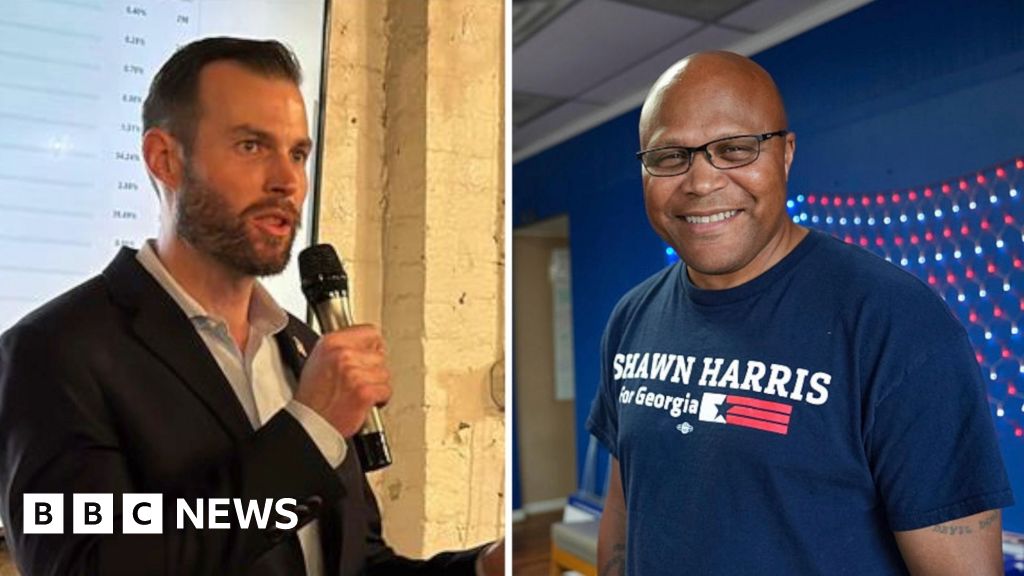
Runoff scheduled for 7 April after no candidate won a majority in the special election to replace Marjorie Taylor Greene; Democrat Shawn Harris (plurality) and Republican Clay Fuller (Trump-endorsed) advanced from a 17-candidate field. The winner will serve the remainder of Greene's term through January but must immediately begin campaigning for a full term in next year's midterms. Trump's endorsement for Fuller is likely to consolidate Republican voters in the runoff but this is primarily a local political development with minimal market impact.
The runoff dynamic compresses a multi-week campaign into a high-intensity funding and ad cycle that national parties and allied PACs disproportionately favor; in practice this reallocates tens of millions of dollars and staff time away from other competitive races and into targeted media markets over the next 4–8 weeks. That reallocation is a real, measurable flow: digital/social ad budgets spike near runoffs and primaries, local TV CPMs rise in the relevant DMAs, and agencies accelerate spend — a concentrated revenue bump for large ad platforms and regional broadcasters in Q2.
Politically driven messaging from a nationally amplified candidate strengthens policy tailwinds around trade protectionism and reshoring narratives if the GOP consolidates messaging authority, which benefits domestic-capex-exposed industrials and supply-chain-replacement suppliers over 6–24 months. Conversely, the same consolidation increases headline volatility and regulatory unpredictability for highly globalized consumer names, creating a divergence between domestic cyclicals and global-facing growth stocks.
Key near-term catalysts that will change the market read are (1) the runoff outcome itself, (2) measured increases in paid digital/TV ad spend by national committees (trackable weekly via ad intelligence), and (3) any credible polling swing that forces additional national-level mobilization. Tail risks include a nationally consequential legal challenge or a sudden geopolitical event that re-prioritizes donor and media attention away from domestic races; these would compress the ad-spend window and reverse the short-term revenue tail within days.
AI-powered research, real-time alerts, and portfolio analytics for institutional investors.
Request DemoOverall Sentiment
neutral
Sentiment Score
0.00
