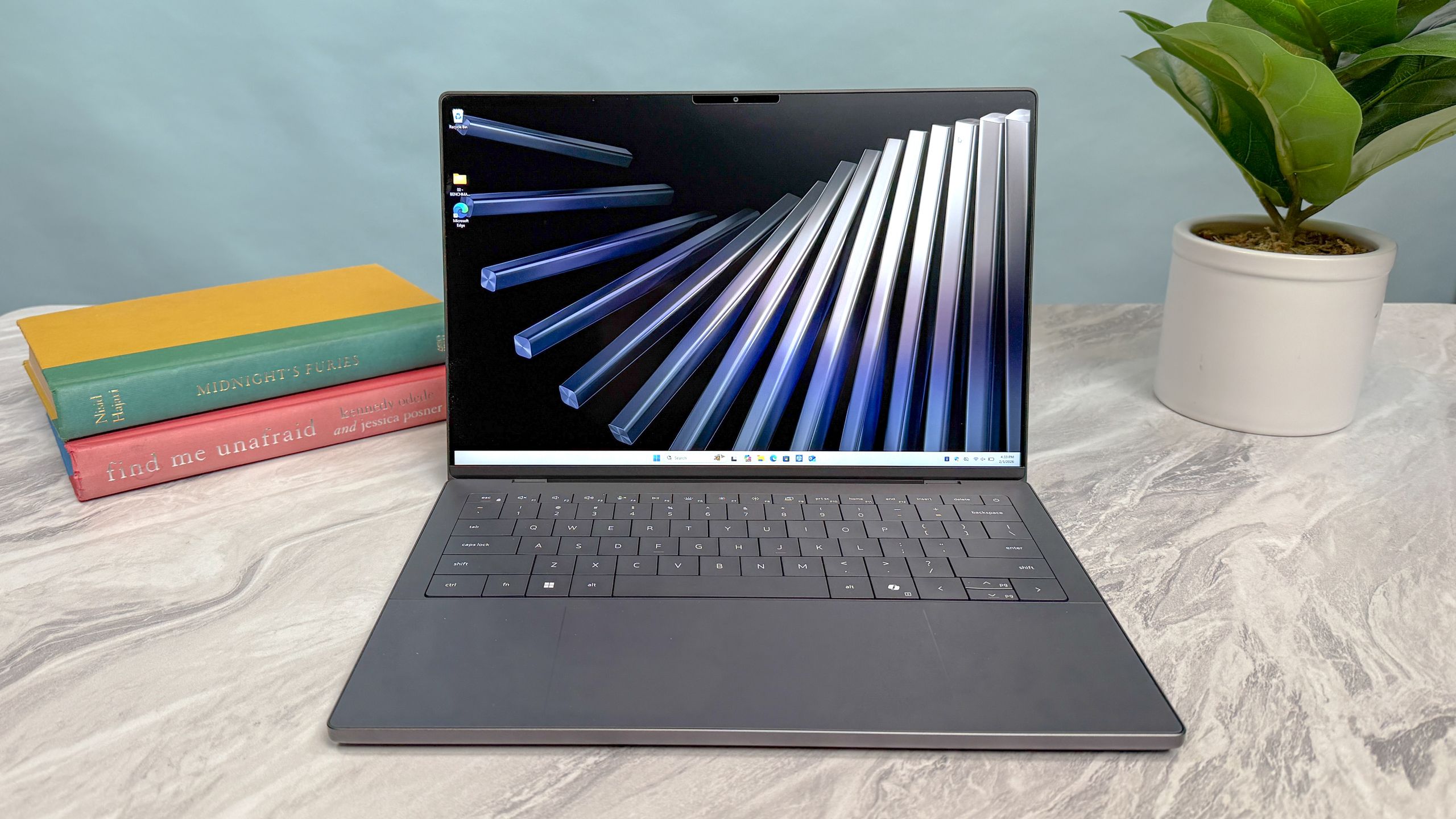
A near entry-level Dell XPS 14 configured with an Intel Core Ultra 7 (355) CPU, 16GB RAM, 512GB SSD and a 14-inch 1920x1200 LED panel delivered 21 hours 20 minutes in Tom’s Guide’s Wi‑Fi web‑surfing battery test, dethroning the prior Dell XPS 13 Snapdragon X Elite and outlasting Apple’s M4 Pro 16‑inch MacBook Pro. The tested 355-powered SKU (not yet widely available) is slated to ship Feb. 19 at $1,699; the result underscores Intel’s Panther Lake efficiency gains and suggests potential competitive pressure on Apple’s laptop battery leadership, though Tom’s Guide notes only one test run was completed and further validation is pending.
Market structure: Dell (DELL) and Intel (INTC) are direct beneficiaries — Dell gains product-level differentiation and Intel gets narrative and OEM slot-share gains as Panther Lake proves endurance at consumer price points (SKU shipping Feb 19). Apple (AAPL) is the near-term loser in the high-end laptop endurance narrative; expect modest share shifts in the consumer/prosumer Windows segment over 3–12 months, not an immediate collapse in MacBook sales.
Risk assessment: Key tail risks include non-representative benchmarking (Tom’s Guide ran a single test), yield or 18A supply issues at Intel, and a quick Apple M5/M6 cadence that reclaims the energy crown; any of these could reverse sentiment within 1–3 months. Hidden dependencies: display choice (LED vs OLED), thermal tuning, and Windows power policies drive real-world results — channel checks and retailer sell-through for the 1920×1200 LED SKU are high-value datapoints.
Trade implications: Tactical plays favor long DELL exposure into the Feb 19 availability and long/technical exposure to INTC over 3–12 months as share gains compound; consider relative trades vs AAPL where market prices in MacBook dominance. Cross-asset: expect modest tightening of tech IG spreads (5–15bp) and elevated equity implied volatility around product ship/earnings dates; commodity impact is negligible.
Contrarian angles: Consensus underestimates how much battery-led differentiation can shift OEM pricing and enterprise refresh timelines — not every buyer needs OLED. The market may underprice Intel’s near-term leverage to OEMs, but don’t ignore that this win is configuration-specific (LED, lower-power CPU) and may not scale to high-performance SKUs without thermal trade-offs.
AI-powered research, real-time alerts, and portfolio analytics for institutional investors.
Request DemoOverall Sentiment
moderately positive
Sentiment Score
0.45
Ticker Sentiment
