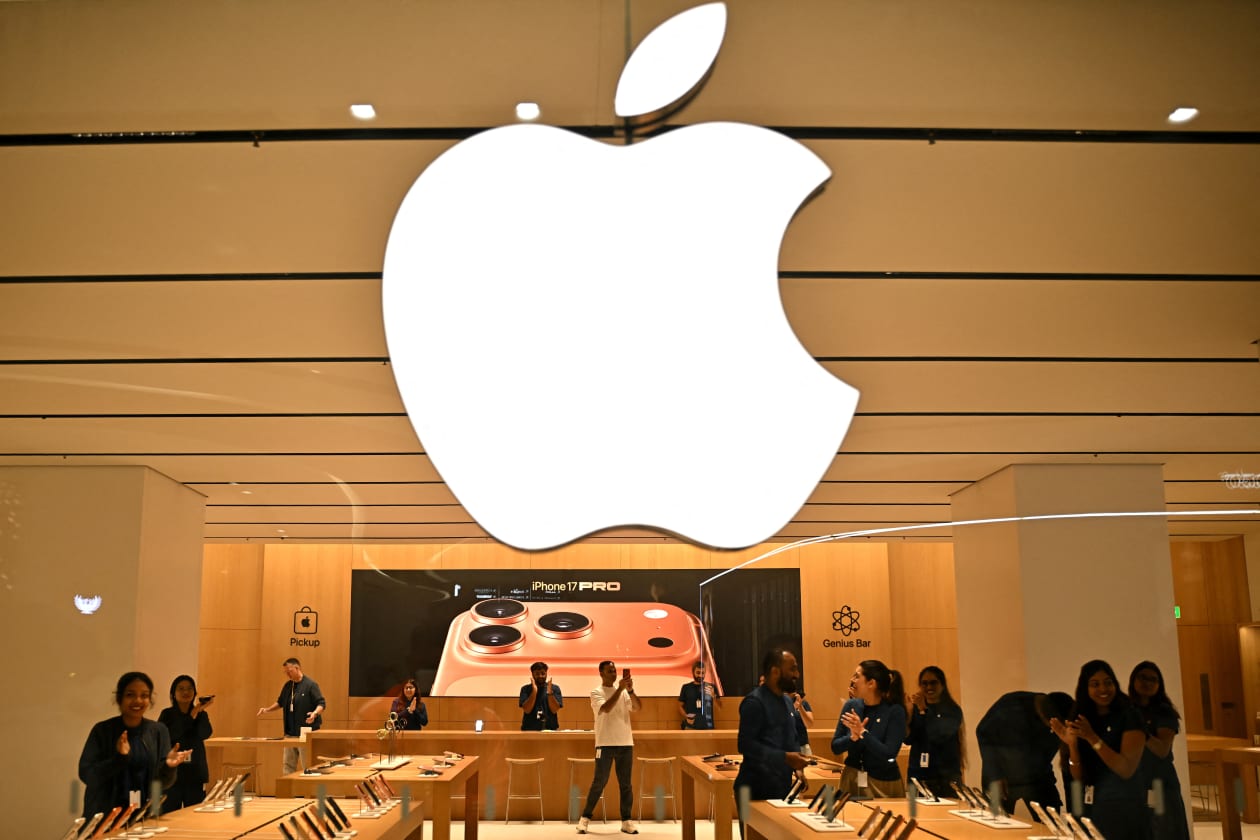
Apple raised prices on select MacBooks by $100 to $300 and iPads by as much as $200, with the base MacBook Air increasing to $1,299 from $1,099 and the base MacBook Pro to $1,999 from $1,699. The pricing move appears tied to the AI-driven memory crunch and higher component costs. This is a modestly negative read-through for consumer demand and Apple’s hardware pricing strategy, though the immediate market impact should be limited.
This is less a one-off Apple pricing action than a margin-protection response to a structural cost shock that has not yet fully reached consumers. The key second-order effect is that Apple is effectively signaling it has pricing power in premium hardware, which tends to widen the gap between top-tier OEMs and the rest of the PC/tablet stack: smaller brands with weaker brand equity and less software lock-in will be forced to absorb input inflation or take share losses. In the near term, that supports Apple’s gross margin resilience, but it also raises the risk that upgrade cycles elongate, especially in the $1,000+ laptop segment where demand is already discretionary. The bigger winner is the memory ecosystem. If Apple is passing through higher component costs now, it implies the pricing wave is moving from upstream suppliers into end-market ASPs, which usually extends the cycle rather than peaks it. That said, the market may be underestimating the lag: handset and PC demand won’t break immediately, but over 1-2 quarters higher sticker prices can suppress units and reduce promotional flexibility, particularly for education and consumer channels. Contrarian angle: this may be mildly bullish for Apple’s per-unit economics but bearish for Apple’s unit growth narrative. Investors may focus on the margin offset and miss that Apple is effectively testing the elasticity of its installed base at a time when consumers are already facing inflation fatigue. If the price increases are accepted without meaningful volume deterioration, it reinforces Apple’s premium moat; if not, the market will have to reprice the whole consumer-tech complex for a slower refresh cycle.
AI-powered research, real-time alerts, and portfolio analytics for institutional investors.
Overall Sentiment
mildly negative
Sentiment Score
-0.15
Ticker Sentiment
