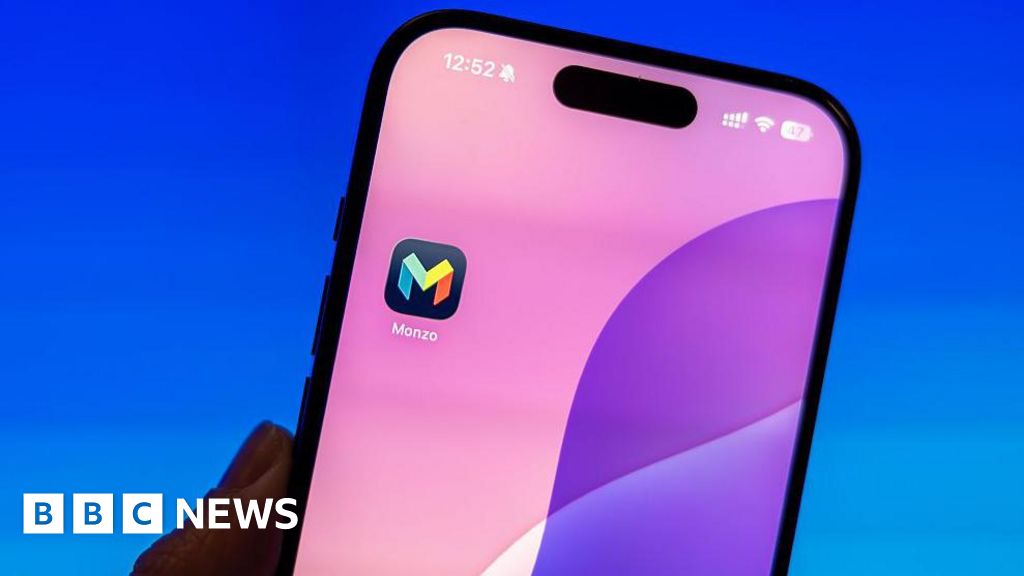
Monzo resolved a mobile app outage on Tuesday after Downdetector logged more than 4,000 user reports shortly after 15:00 GMT; the bank temporarily activated its independent 'Monzo Stand-in' backup to ensure card payments, cash withdrawals, freezes and bank transfers remained available. With over 14 million customers and recent UK banking outages impacting roughly 1.2m people earlier, the episode highlights operational and reputational risk for Monzo despite containment and no confirmed widespread data breach.
Market structure: A short Monzo app outage (4,000 reports vs 14m customers = ~0.03% direct event rate) is low-probability for systemic failure but highlights asymmetric reputational risk for digital challengers. Winners are infrastructure and security vendors (observability, cloud ops, cybersecurity) and large incumbents that can credibly advertise resilience; losers are small/VC-backed challengers and any listed fintechs whose customer trust can move quickly (potential intraday moves of 3–7% for small caps). Cross-asset: expect muted GBP nervousness (±0.1–0.4%) and possible short-lived gilts demand (2–5bp rally) on nervous retail sentiment; options skew for small-cap fintechs should widen next 24–72 hours.
Risk assessment: Tail risks include a multi-hour nationwide payment outage on a payroll day triggering FCA enforcement, fines, or deposit flight—plausible once every 2–5 years and could impose 1–3% incremental funding cost for challengers over 12–24 months. Hidden dependencies: third-party cloud providers/Faster Payments rails and third-party card processors; concentrated vendor failure amplifies second-order reputational hits. Catalysts: repeat outages, FCA statements (30–90 days), or earnings calls where tech spend is reforecast.
trade implications: Prioritise long positions in observability/cybersecurity and selective long incumbents; trim small-cap fintech exposure and use relative-value pair trades to express migration risk. Use defined-cost options to buy convexity into cyber/observability (3–6 month call spreads) and short-dated puts to hedge concentrated fintech names during the next 2–8 weeks when sentiment is most reactive.
contrarian: Consensus will treat this as a one-off; we view it as incremental evidence of a multi-year re-rating toward operational resilience. The mispricing: public cybersecurity/observability names likely under-allocated vs. the economic need to rebuild backups—expected re-rating of +15–30% over 6–18 months if repeat incidents occur. Unintended consequence: incumbents’ higher tech capex to match resilience could compress banking ROE by 50–150bp over 2 years, creating tactical opportunities in bank capital structure trades.
AI-powered research, real-time alerts, and portfolio analytics for institutional investors.
Request DemoOverall Sentiment
neutral
Sentiment Score
-0.10
