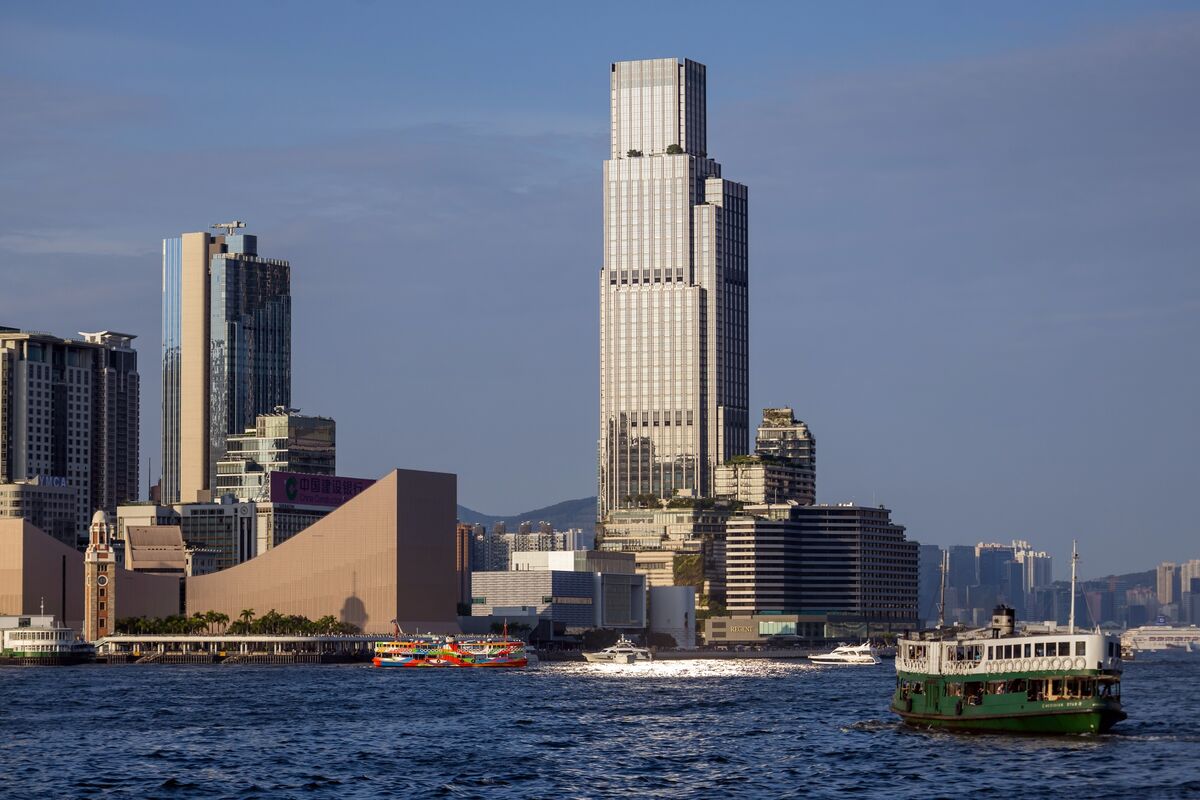
Henry Cheng is marketing select assets in the family-owned Rosewood Hotel Group as potential buyers are being contacted amid liquidity pressures tied to New World Development Co.'s real estate unit. Representatives have held preliminary discussions with companies about selling properties in the Rosewood portfolio, signaling a possible asset disposal strategy to shore up group finances; talks remain at an early stage and could change.
Market structure: A forced sale of Rosewood assets benefits strategic luxury hotel operators, global private equity buyers and asset managers with dry powder who can buy premium brands at a discount; it hurts New World Development equity and junior creditors and will increase near-term supply of branded-luxury hotels for sale. Expect a rotation of deal flow from Hong Kong developers into global hospitality names (Marriott MAR, Hilton HLT, Hyatt H) and downward valuation pressure on HK property peers; distressed-sale haircuts of 10–30% versus private-market replacement values are plausible over 3–9 months.
Risk assessment: Tail risks include a fire-sale that pushes New World bond spreads >400–600 bps, HK bank underwriting losses from related exposures, or cross-defaults triggered by intercompany guarantees; regulatory scrutiny of asset transfers is a low-probability, high-impact event. Immediate (days) — rumor-driven volatility; short-term (weeks–months) — formal auction process and bond covenant tests; long-term (quarters–years) — strategic consolidation or rebranding of assets. Watch for covenant waivers, upcoming maturities and any formal sale memorandum in the next 30–90 days.
Trade implications: Direct plays are long global luxury operators (MAR, HLT) and selective credit hedges on New World (017.HK) via puts or CDS; short HK property beta (EWH) as contagion proxy. Use 3–9 month option structures: buy 9-month call spreads on MAR/HLT (15–25% OTM) and 3-month put spreads on EWH/017.HK (8–15% OTM) sized to 1–3% portfolio each for asymmetric risk. Capital flows into PE/buyout of Rosewood would favor asset managers and loan-to-own strategies in credit markets.
Contrarian angles: Consensus treats Rosewood sale as pure distress; that understates strategic value — trade buyers often pay premiums (10–25%) for brand control, so outright fire-sale pricing may be temporary. Reaction may be overdone in HK property equities while global luxury hotel stocks could underreact; historical parallels (2009 brand acquisitions) show upside when buyers consolidate boutique luxury chains. Unintended consequence: sale to a strategic hotel operator could tighten supply for independents and lift branded-room rates over 12–24 months.
AI-powered research, real-time alerts, and portfolio analytics for institutional investors.
Request DemoOverall Sentiment
moderately negative
Sentiment Score
-0.45
