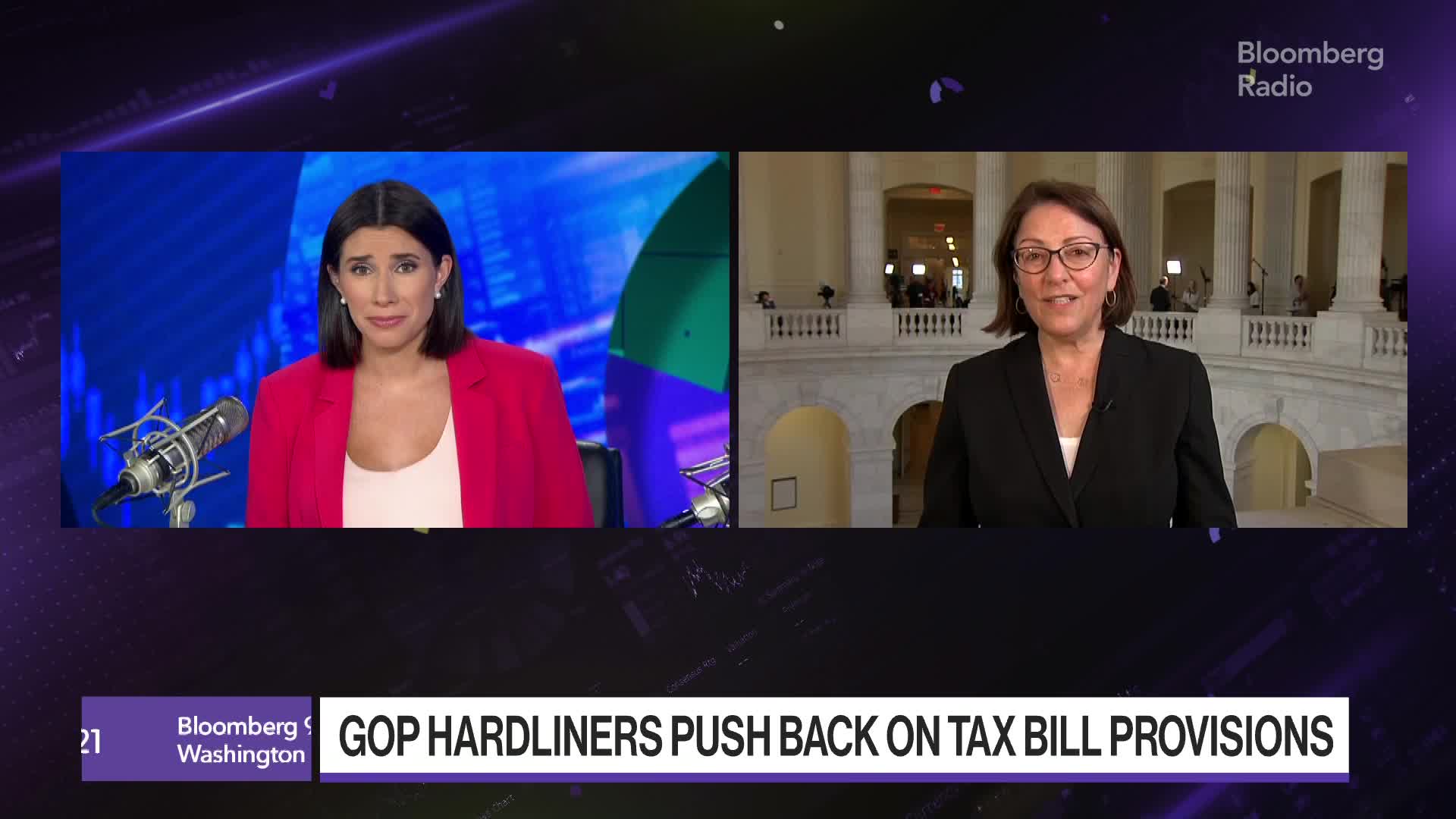
Democrats, led by DCCC Chair Suzan DelBene, are opposing potential cuts to Medicaid and SNAP benefits, which they claim are included in the Trump tax bill. DelBene warns these measures could provoke a substantial political backlash, potentially enabling Democrats to regain House control in the midterms, thereby impacting future legislative and fiscal policy.
The political landscape is being shaped by a Democratic strategy to oppose potential cuts to social safety net programs, specifically Medicaid and SNAP benefits, which they are linking to the Trump-era tax legislation. DCCC Chair Suzan DelBene's statements indicate that Democrats are leveraging this issue to create a political backlash, viewing it as a potential catalyst to regain control of the House of Representatives in the upcoming midterm elections. While the market impact is currently assessed as low at 0.1, the situation introduces significant forward-looking political risk. A shift in legislative control would have material consequences for future fiscal policy, budget allocations, and the stability of existing tax frameworks, making this a critical development for investors to monitor despite its current neutral sentiment.
AI-powered research, real-time alerts, and portfolio analytics for institutional investors.
Request DemoOverall Sentiment
neutral
Sentiment Score
0.00
