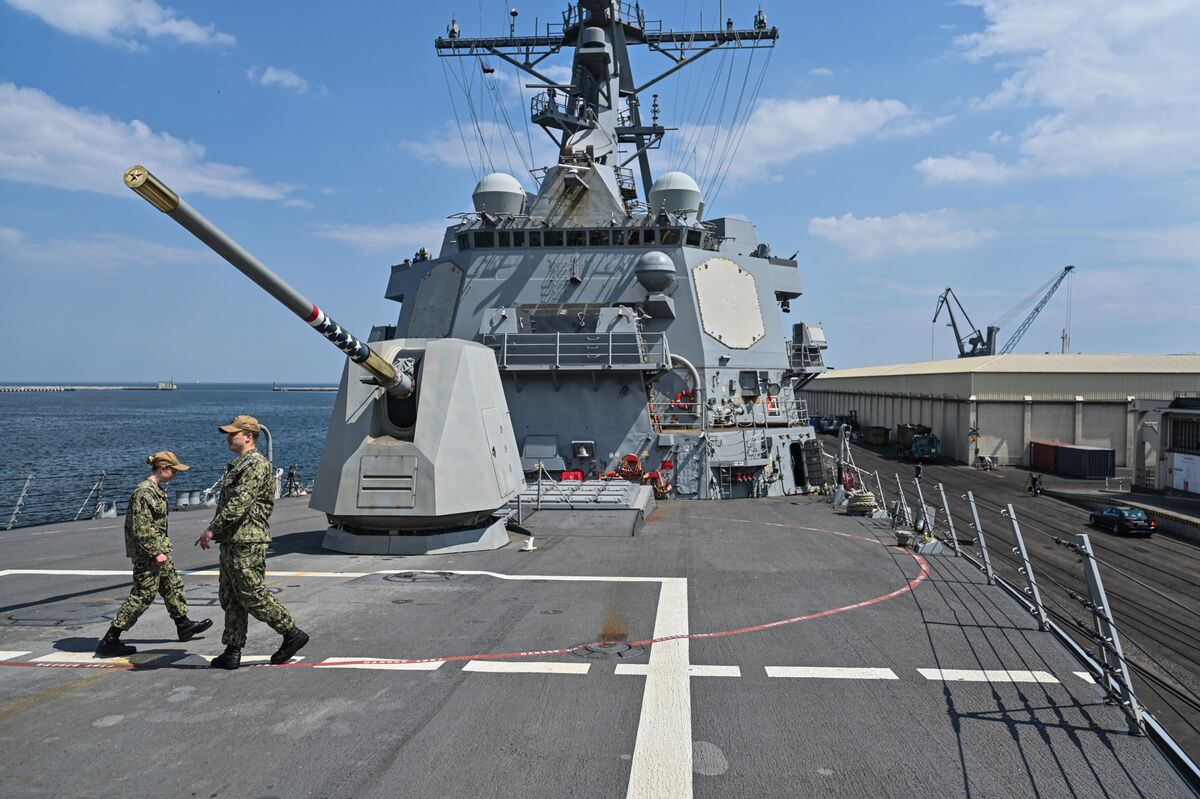
The Trump administration has significantly escalated its "maximum pressure" campaign against Venezuela's Maduro government by deploying warships, aircraft, and troops to the southern Caribbean, marking the largest US naval mobilization in Latin America since 1989. This move, following accusations of Maduro being a narco-terrorist and a $50 million bounty for his arrest, has an uncertain objective, potentially signaling a major counternarcotics operation, a show of force, or even an attempt at regime change.
The Trump administration is materially escalating its 'maximum pressure' campaign against Venezuela, deploying a significant naval force to the southern Caribbean in what is described as the largest US mobilization in the region since the 1989 Panama invasion. This action follows the administration's labeling of President Nicolás Maduro as a 'narco-terrorist' and the placement of a $50 million bounty for his arrest, adding a military dimension to existing sanctions and diplomatic isolation. Crucially, the strategic objective of the deployment remains ambiguous. The possibilities range from a large-scale counternarcotics operation to a symbolic show of force or a precursor to direct intervention aimed at regime change. This introduces a high degree of geopolitical uncertainty and raises the risk of armed conflict or a naval blockade in a key region for energy markets.
AI-powered research, real-time alerts, and portfolio analytics for institutional investors.
Request DemoOverall Sentiment
moderately negative
Sentiment Score
-0.40
