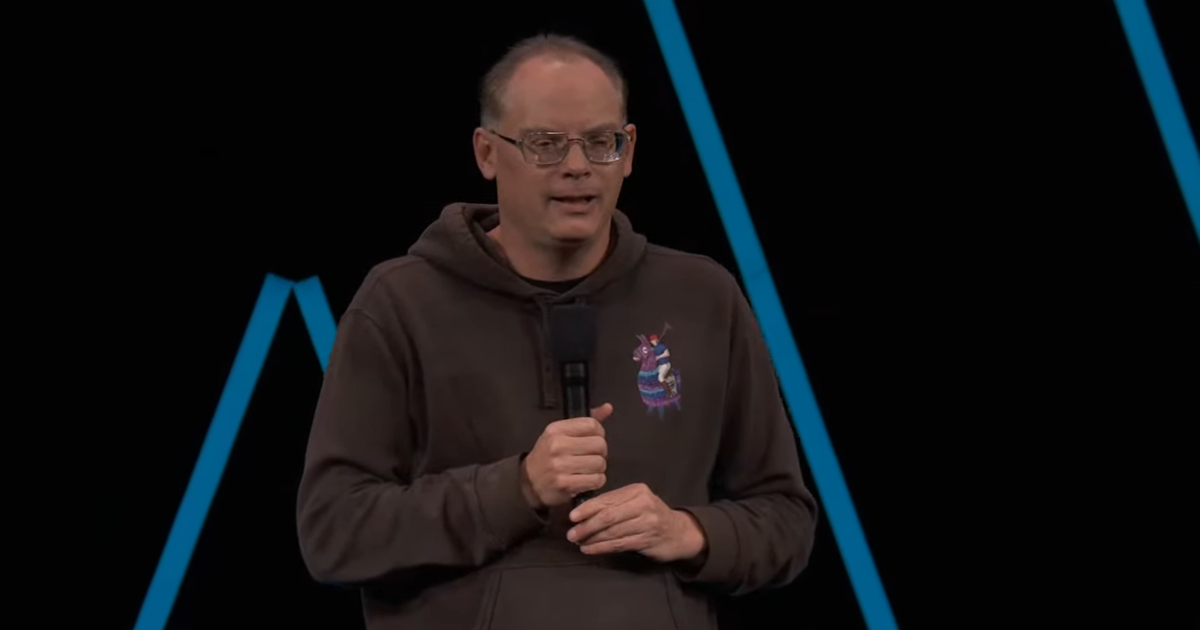
Epic Games announced mass layoffs of over 1,000 employees on March 24, citing a downturn in interest for Fortnite and rising operating costs; a laid-off programmer with seven years at the company and terminal brain cancer drew public criticism. CEO Tim Sweeney apologized on March 29 and said Epic is "solving the insurance" for the employee’s family, but reputational damage and morale loss are immediate, with remaining staff absorbing additional workload. Expect near-term ESG and talent-retention headwinds that could pressure operational execution and sentiment around the company.
This is primarily a governance/ESG headline with tangible second-order effects for the broader games ecosystem: a sudden supply of mid‑to‑senior live‑ops and multiplayer engineers (1–3k candidates in major hubs over 3 months) reduces near‑term wage pressure for studios recruiting aggressively, but it also accelerates product roadmap risk for the originator as institutional knowledge around live service ops and seasonal event cadence is lost for 6–18 months. Expect two countervailing operational impacts: (1) short window for competitors and publishing houses to hire away talent and accelerate feature rollouts at below replacement cost, and (2) a likely reduction in Epic’s discretionary spend on new live features and community events in the next 2–4 quarters as headcount and operating ratios are reset.
From a platform/stack perspective, any prolonged pullback in Epic’s investment cadence creates optionality for engine and middleware vendors to capture engineering mindshare — not just immediate hires but toolchains and plugins that become standard over 12–36 months. Conversely, reputational damage and morale risk can compress output across remaining teams, raising the probability of missed content milestones and monetization softness that could show up in engagement metrics within 1–2 quarters.
Catalysts to watch: public disclosure of severance/benefits shortfalls or employment litigation (30–90 days) that would widen the PR/ESG hit; targeted hiring announcements or quick re‑hires by competitors (2–6 months) that would concretely shift revenue trajectories; and any public statements committing to sustained engine investment which would blunt the upside for rivals (6–12 months). The dominant near‑term trade is not a binary hit to player spend but a reallocation of developer productivity and IP risk across the industry, favoring stable publishers and tooling vendors that can recruit and integrate talent quickly.
AI-powered research, real-time alerts, and portfolio analytics for institutional investors.
Request DemoOverall Sentiment
strongly negative
Sentiment Score
-0.60
