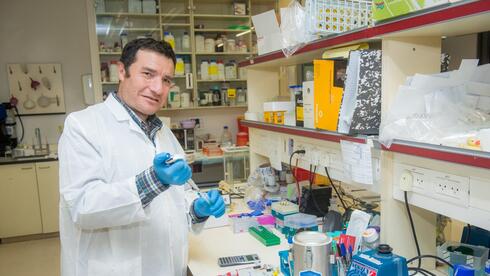
Bar-Ilan University researchers reported that increasing SIRT6 in aged mice restored liver chromatin patterns to a youthful state, with about 80% of age-related changes reverting within a month. The study suggests potential late-life therapeutic intervention for aging-related decline, with improvements in inflammatory and metabolic pathways, though human clinical use remains unproven. A company founded in Israel, SirTLab, is preparing a SIRT6-targeting drug for clinical trials.
This is a classic platform-validation event for longevity tools, but the equity impact is asymmetric: the first-order beneficiaries are not the academic protein itself, but enabling layers such as targeted gene delivery, liver-directed viral vectors, epigenetic assay platforms, and biomarker companies that can package “biological age reversal” into a measurable endpoint. The market usually underprices how quickly a credible mouse-to-organ readout can de-risk adjacent programs: even if SIRT6 never becomes a drug, it strengthens the commercial case for companies selling delivery, liver targeting, and chromatin-state monitoring. The near-term winner set is also likely to include private biotech financing around epigenetic reprogramming, where this paper gives venture investors a cleaner mechanistic story than generic anti-aging claims. The key second-order effect is that this pushes aging from a systemic, diffuse thesis into an organ-specific, potentially reimbursable one. Liver is the right first target because it is accessible, highly regenerative, and already has established biomarker panels for inflammation and metabolic dysfunction; if the effect translates, the commercial path is shorter than for CNS or musculoskeletal aging. The loser is the broad “anti-aging supplement” complex: a mechanism-based liver program with chromatin readouts makes oral nutraceutical claims look increasingly non-specific, and that could shift capital away from lifestyle wellness into true translational biotech. The biggest risk is translation. Reversing chromatin state in a controlled mouse liver does not prove durable phenotypic benefit, and overexpression strategies often fail when moved into older, diseased human tissue because immune response, vector penetration, and dose control become the bottlenecks. Expect a 12-36 month gap before any real human signal; until then, the trade is mostly on sentiment, private rounds, and platform re-rating rather than revenues. Contrarian take: the consensus will overfocus on “rejuvenation” and underfocus on delivery — if the delivery stack cannot localize safely and repeatably to the liver, the biology may be real but the investable opportunity remains trapped in preclinical purgatory.
AI-powered research, real-time alerts, and portfolio analytics for institutional investors.
Request DemoOverall Sentiment
strongly positive
Sentiment Score
0.72
