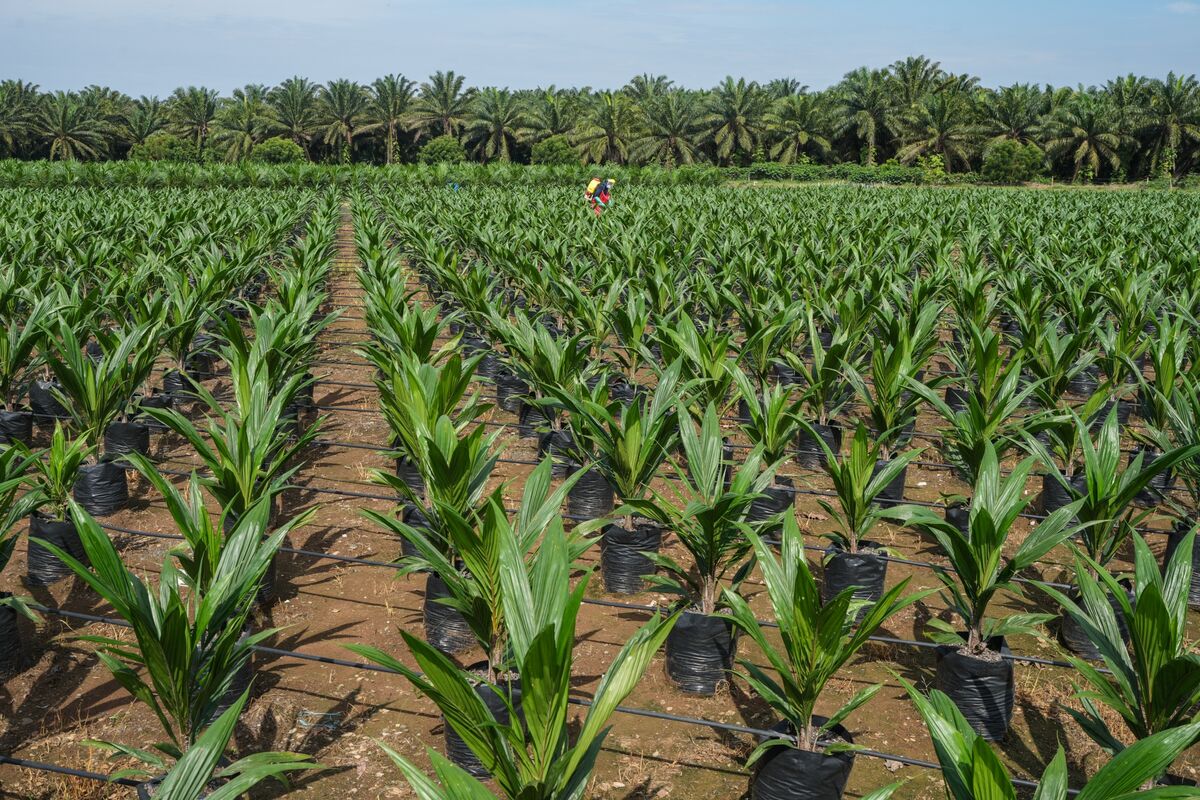
Palm oil prices steadied after a three-day advance as large Malaysian inventories are expected to limit further gains, according to David Ng, a senior trader at IcebergX in Kuala Lumpur. While parts of Malaysia have suffered heavy rain and widespread flooding, officials and traders say it is too early to quantify any production impact, leaving potential supply disruption uncertain and sentiment cautious.
Market structure: Elevated Malaysian stockpiles are a near-term headwind for palm oil futures (FCPO) and upstream plantation earnings; refiners and integrated processors (e.g., Wilmar F34.SI) gain relative pricing power as feedstock costs soften. Plantation-focused names (IOI.KL, SIME.KL) see margin compression and weaker free cash flow if CPO prices slide >10% over coming months. Inventory-driven price discovery favors short-term volatility rather than a durable supply shock absent weather or policy changes.
Risk assessment: Tail risks include severe floods or logistics disruption that cut Malaysian output >15% (30%+ price spike risk) or export/biofuel policy moves from Indonesia/Malaysia that stoke demand; both are low-probability but high-impact over 1–6 months. Immediate (days) moves will track weekly stock reports; weeks–months reflect harvesting cycles and flood damage; quarters+ depend on replanting and biodiesel mandates. Hidden dependencies: MYR moves, soybean oil (ZL) correlation, and shipping/logistics bottlenecks.
Trade implications: Tactical short exposure to FCPO (1–3 month tenor) or buy 1–3 month put spreads on IOI.KL due to expected price pressure; size 2–3% NAV, targets −8% with stop +5% from entry. Relative-value: long F34.SI (2% NAV) vs short IOI.KL (2% NAV) to capture downstream margin tailwind; enter within 5 trading days and reprice on two consecutive weeks of stockpile declines >4%. Options: purchase 3–6 month OTM FCPO/IOI calls (0.5% NAV) as convex hedges against supply shocks.
Contrarian angles: Consensus focuses on high stocks but may understate flood-driven supply disruption risk — if weekly inventories fail to rise or MYR weakens >3% in 10 days, the market can gap higher quickly. Reaction could be overdone if stocks normalize and demand (biodiesel blending) firm; cap positions and keep a 0.5–1% NAV asymmetric long-call hedge to cover a price squeeze. Historical cycles show sharp short-covering moves; manage liquidity and gamma risk accordingly.
AI-powered research, real-time alerts, and portfolio analytics for institutional investors.
Request DemoOverall Sentiment
mildly negative
Sentiment Score
-0.25
