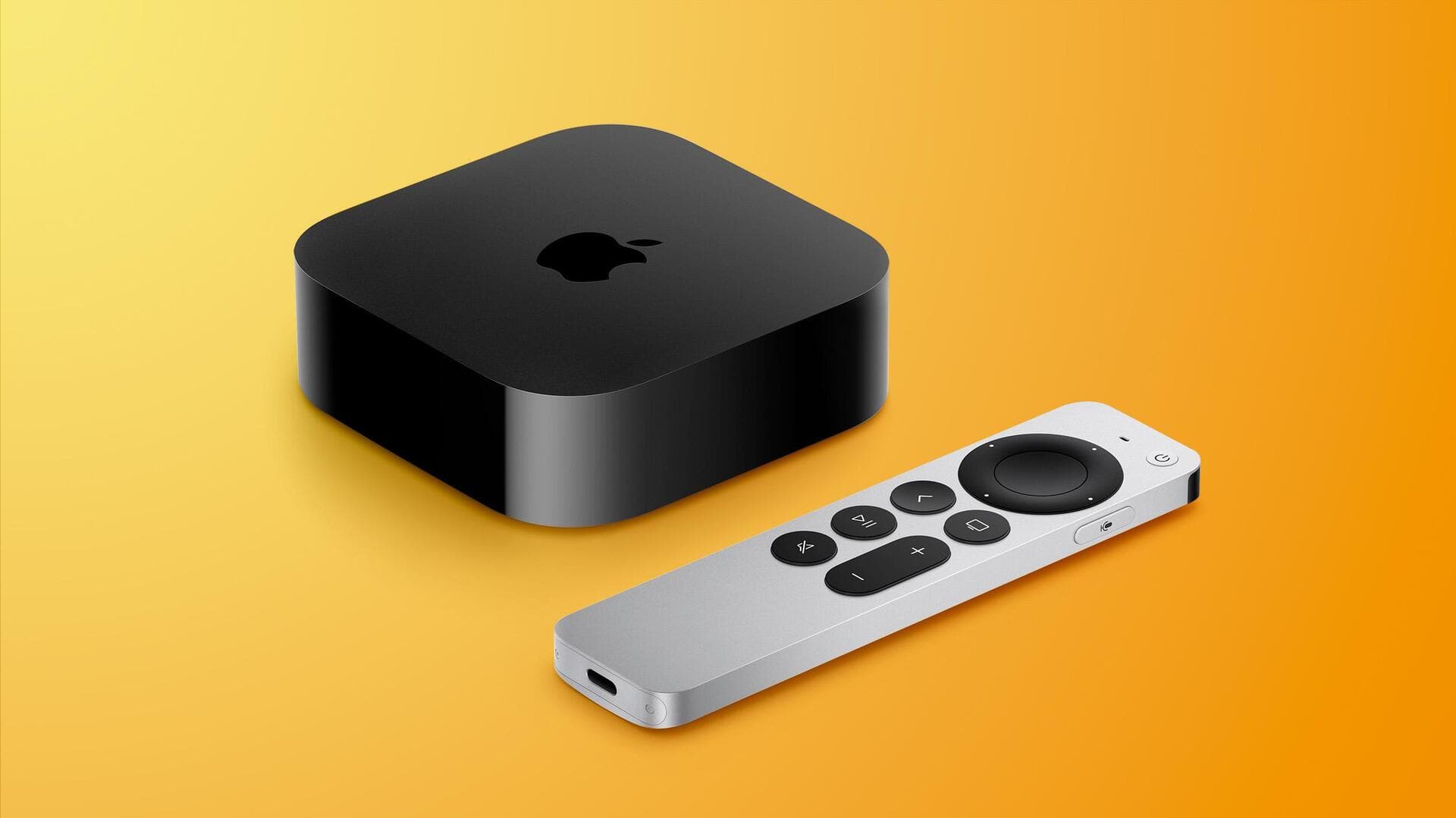
Apple is delaying the next Apple TV until September 2026 so it can launch alongside upgraded Siri and delayed AI features tied to iOS 27. The device is expected to keep the same design but move to an A17 Pro chip, with potential upgrades like Wi‑Fi 7, Bluetooth 6, and Thread support. The delay is modestly negative for near-term product timing, but overall market impact should be limited.
The key read-through is less about a delayed set-top box and more about Apple subordinating hardware cadence to its AI platform roadmap. That is a near-term negative for accessory attach and a modest headwind to services engagement, because the product has historically been a low-friction entry point into the home ecosystem; every quarter of delay pushes out any incremental installed-base monetization. On the flip side, Apple is signaling it will not ship an AI-labeled device until the assistant layer is credible, which reduces the probability of a rushed, low-quality launch that could damage brand trust.
Competitive dynamics tilt toward Amazon and Roku in the next 2-4 quarters. If Apple slips, those platforms keep more share of living-room minutes and remain the default aggregation layer for streaming discovery, voice control, and ad inventory; that matters because the smart-TV operating system battle is increasingly an ad-market proxy, not a hardware-margin story. The networking upgrade angle is more important than it looks: Wi-Fi 7 and Thread would make the device more relevant as a smart-home hub, but that also increases Apple’s dependence on ecosystem interoperability at a time when standards fragmentation can slow adoption.
The market may be underestimating the optionality embedded in an A17 Pro-class device. A materially better chip with Apple Intelligence support can widen the gap for gaming and on-device AI workloads, which supports a longer-term services flywheel even if unit volume is flat. The more important catalyst is not the box itself but the Siri/iOS release cycle; if Apple shows credible assistant improvements by late summer, the delay converts from execution miss to disciplined sequencing, but if the assistant remains underwhelming, the product family risks becoming a marginal refresh with limited demand elasticity.
Consensus is likely overstating the downside for AAPL shares because the TV product is not a major earnings driver. The real risk is second-order: a weak Siri rollout would reinforce a narrative that Apple’s AI monetization is lagging peers, which can compress the stock’s premium multiple even if fundamentals hold. Conversely, if the company executes on assistant quality, the market may quickly re-rate the entire ecosystem as an AI distribution layer rather than just a hardware franchise.
AI-powered research, real-time alerts, and portfolio analytics for institutional investors.
Request TrialOverall Sentiment
mildly negative
Sentiment Score
-0.12
Ticker Sentiment
