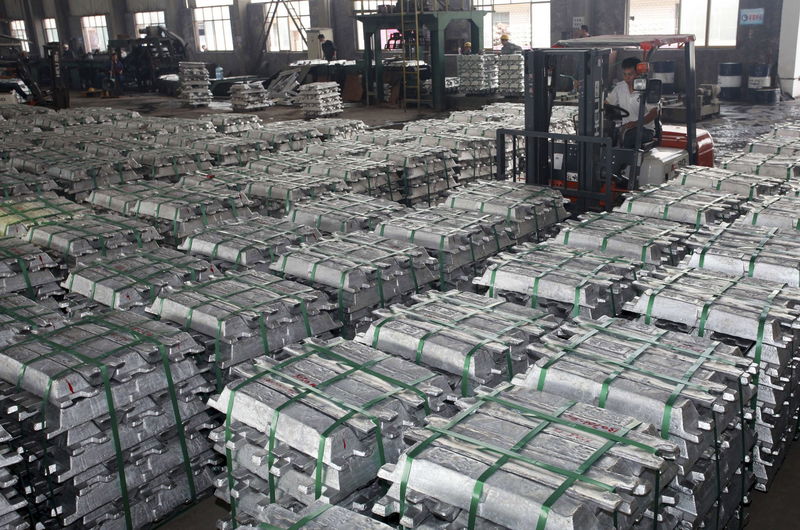
Aluminium fell 0.78% to 24,660 yuan/metric ton ($3,585.92) on the Shanghai Futures Exchange, though the contract still gained about 3% for the week. The drop was driven by a stronger U.S. dollar and growing recession concerns tied to a prolonged Iran war after Trump’s escalation, with safe-haven flows into the dollar outweighing prior supply-driven gains.
A geopolitical-driven flight-to-safety into the dollar is compressing commodity prices in the near term, but the mechanics create asymmetric second-order risks: lower spot metal prices relieve immediate input-cost pressure for downstream manufacturers (auto OEMs, aerospace suppliers, aluminum-intensive casings) while simultaneously incentivizing smelters to conserve cash and delay capex, setting up a higher-probability supply squeeze 3–12 months out. That dynamic increases realized volatility in aluminium and related spreads — big for firms that hedge metal exposure or run long inventory positions.
For AI infrastructure names, the twin forces of a stronger dollar and risk-off investor positioning are a short-term earnings/multiple headwind via FX translation and softer order cadence. Yet the secular AI hardware cycle remains intact; marginal reductions in chassis/heat-sink commodity costs only shave a few percent off BOMs (order-of-magnitude: 1–3% gross margin improvement), so any durable valuation rerating will need revenue visibility, not commodity moves. Energy-price tail risks from geopolitical flare-ups add an operational vector — higher data-center OPEX can delay refresh cycles by quarters.
Tactically this crosswind favors capital-efficient market leaders with strong backlog and pricing power. SMCI’s execution optionally captures pull-forward demand when risk sentiment normalizes; APP is more exposed to near-term sentiment and monetization execution risk. The right playbook is asymmetric: buy optionality into the recovery while hedging macro/FX and short-term commodity reversion, aiming for 30–50% upside on directional trades vs 10–15% downside if the recession scenario materializes.
Contrarian frame: consensus is to de-risk tech broadly; that is likely overdone for high-quality AI infrastructure makers which will see demand elasticity >0 but not collapse. If metal prices remain weak into summer, expect OEMs to announce modest margin fattening and order re-acceleration — a 60–120 day catalyst window where earnings revisions can outpace macro narrative. Conversely, persistent dollar strength and higher real rates are the true path to a prolonged drawdown and must be hedged explicitly.
AI-powered research, real-time alerts, and portfolio analytics for institutional investors.
Request DemoOverall Sentiment
mildly negative
Sentiment Score
-0.20
Ticker Sentiment
