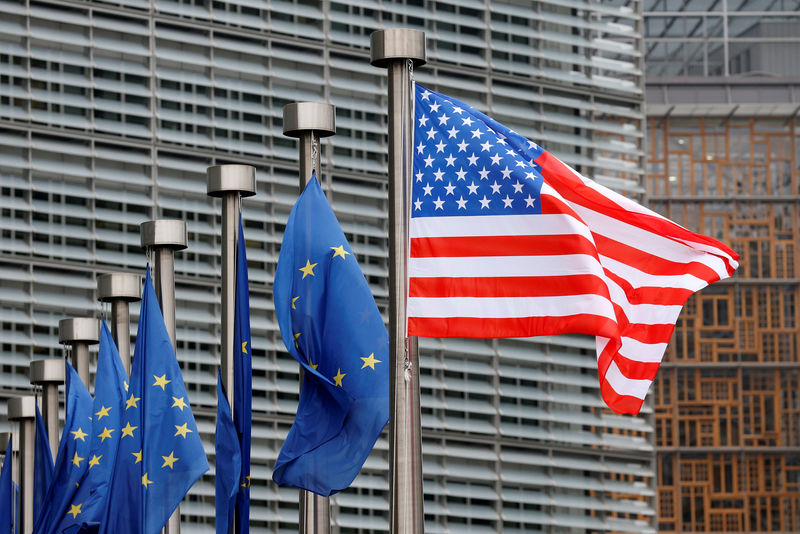
US officials have escalated trade demands with the EU, now seeking a baseline tariff of 15% or higher on most European goods, a significant increase from the 10% anticipated by EU negotiators. This shift has prompted Germany to align with France's tougher stance, leading the EU to prepare substantial countermeasures, including retaliatory tariffs, digital services restrictions, and potential use of its 'anti-coercion' instrument. Despite the rising tensions over the $5 billion daily trade flow, both sides are still aiming for a deal by President Trump's August 1 deadline, though European diplomats warn of severe consequences if talks fail.
The U.S. has significantly escalated trade tensions with the European Union by demanding a baseline tariff of 15% or higher on most European goods, a substantial increase from the 10% tariff EU negotiators were prepared to accept. This unexpected shift has hardened the EU's stance, notably causing Germany to align with France's more confrontational position. In response, the EU is preparing a robust set of countermeasures, including retaliatory tariffs, restrictions on U.S. digital services, and limited access to public procurement contracts. The potential use of the EU's rarely-invoked "anti-coercion" instrument underscores the seriousness of the dispute, which jeopardizes a trade relationship valued at over $5 billion in daily flows of goods and services. While officials on both sides maintain a public hope for a resolution before the August 1 deadline, the high-stakes negotiation is fraught with uncertainty, with European diplomats warning of severe economic repercussions if talks collapse.
AI-powered research, real-time alerts, and portfolio analytics for institutional investors.
Overall Sentiment
moderately negative
Sentiment Score
-0.50
