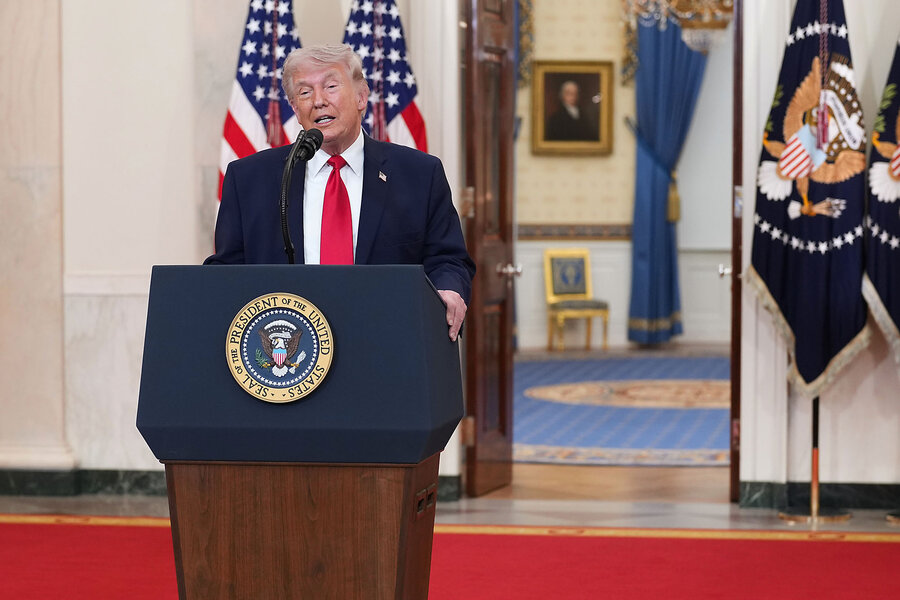
President Trump's war in Iran and public threats to pull the U.S. out of NATO have created an apparent, possibly irreversible rift with European allies, who have denied U.S. airbase access and refused direct military involvement. The dispute raises material energy and geopolitical risk — including potential disruption of oil flows through the Strait of Hormuz — and is likely to accelerate European and Gulf defense spending and integration while driving markets into a risk-off stance.
The immediate strategic consequence is an acceleration of sovereign rearmament and procurement cycles in Europe and the Gulf that had been budgeted but not prioritized. Expect multi-year, backloaded orders for missiles, air defense, maritime patrol, and munitions — projects that translate into steady backlog growth for prime contractors and a two- to three-year spike in demand for specialized subsuppliers (semiconductor RF components, guidance systems, precision machining).
Energy and logistics see a persistent risk premium: even intermittent disruptions in chokepoints or raised insurance costs re-route volumes, lengthen voyages by ~10-20% on key lanes, and transfer margin to tanker owners and LNG suppliers while compressing European refinery throughput economics. That dynamic also accelerates European policy shifts toward energy diversification (storage, LNG import terminals, hydrogen pilots), creating multi-year capex cycles that favor midstream and FSRU/terminal builders.
Politically-driven decoupling raises currency and EM spillovers: a durable US-Europe strategic drift increases the likelihood of Europe diversifying suppliers (more China/Russia tech and arms), which shifts export patterns and raises political risk premia in EMs tied to Western defense supply chains. Tail risk is regime change or rapid diplomatic de-escalation — either would unwind risk premia quickly, creating sharp reversals in defense and energy equities within weeks to months.
AI-powered research, real-time alerts, and portfolio analytics for institutional investors.
Overall Sentiment
strongly negative
Sentiment Score
-0.60
