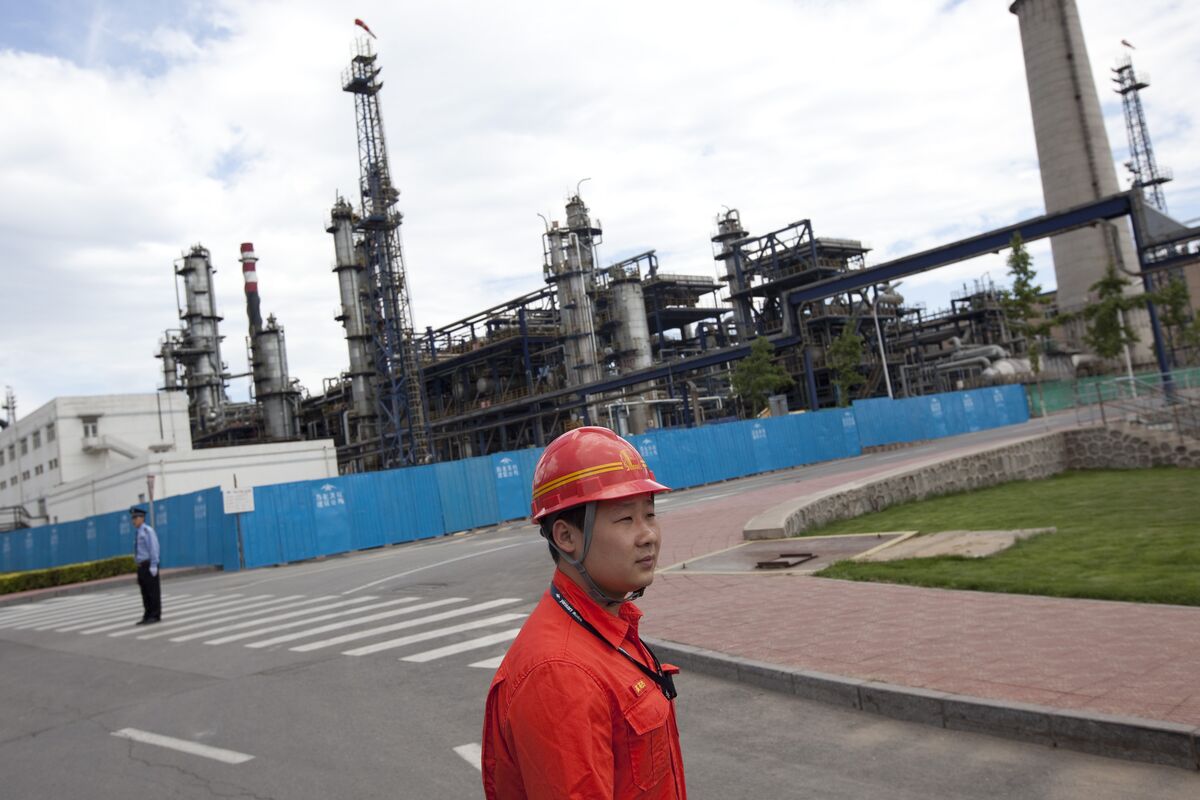
China's initiative to tackle industrial overcapacity is encountering resistance within its oil refining sector, as three small Shandong refiners that declared bankruptcy last year are now poised for revival. One has already resumed operations under new ownership, with the other two in discussions to restart, all actively seeking crucial crude-import quotas. This resilience highlights the significant challenges Beijing faces in its efforts to consolidate industries and manage supply amid broader economic restructuring.
China's strategic initiative to reduce industrial overcapacity is facing tangible resistance within the oil refining sector, underscoring the difficulty of implementing top-down policy. The potential revival of three small, previously bankrupt refiners in Shandong province—one of which has already resumed operations under new ownership—directly challenges Beijing's consolidation goals. The critical variable in this situation is the central government's decision on crude-import quotas, which all three entities are reportedly seeking. Granting these quotas would signal a significant policy compromise, potentially perpetuating the very oversupply issues the government aims to solve and undermining its broader economic restructuring agenda. This development introduces uncertainty into the supply-demand balance for refined products in the region, as the re-entry of even small-scale capacity could exacerbate pressure on already thin refining margins.
AI-powered research, real-time alerts, and portfolio analytics for institutional investors.
Request DemoOverall Sentiment
moderately negative
Sentiment Score
-0.40
