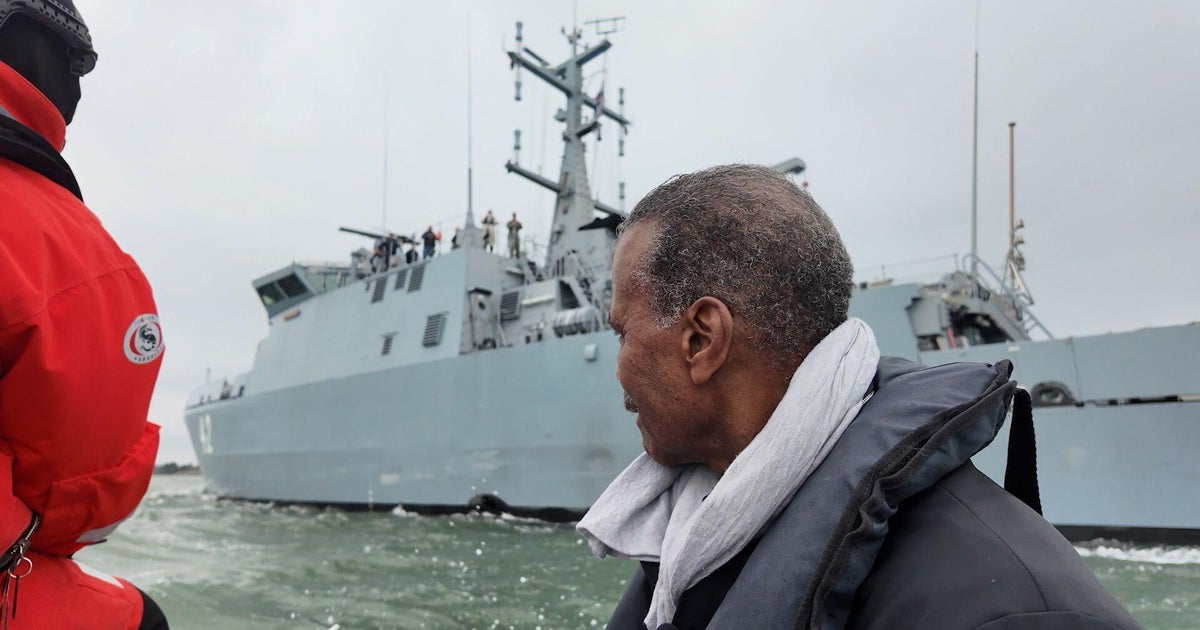
Finnish authorities seized the Russian shadow fleet oil tanker Eagle S after it allegedly severed the Estlink-2 undersea cable by dragging its anchor, an incident suspected to be part of Russia's hybrid warfare targeting critical infrastructure. This event, which incurred $70 million in repair costs, is one of at least 11 suspicious cable cuts in the Baltic Sea since 2022, prompting NATO to launch "Baltic Sentry" to monitor and safeguard seabed assets. The Eagle S, linked to a Russian oil company evading sanctions, underscores escalating geopolitical risks to vital digital and energy infrastructure, with broader implications for regional stability and global supply chains.
The seizure of the Russian shadow fleet tanker, Eagle S, by Finnish authorities represents a material escalation in geopolitical tensions, shifting the focus to 'hybrid warfare' tactics targeting critical subsea infrastructure. The incident, which involved the severing of the Estlink-2 cable at a repair cost of $70 million, is not isolated but part of a pattern of at least 11 suspicious cable and pipeline cuts in the Baltic Sea since 2022. This directly threatens the energy and data security of regional economies, particularly Finland and Estonia. The tanker's connection to a Russian oil company's 'shadow fleet' designed to evade sanctions highlights a dual risk: economic circumvention and strategic sabotage. The subsequent coordinated response, including NATO's 'Baltic Sentry' operation and sanctions on the vessel, marks what Finnish officials call a 'turning point,' signaling a more robust posture to defend against such attacks. The effectiveness of this response, evidenced by the absence of further incidents, suggests a new security paradigm is emerging, likely leading to increased defense spending on maritime surveillance and infrastructure protection.
AI-powered research, real-time alerts, and portfolio analytics for institutional investors.
Overall Sentiment
strongly negative
Sentiment Score
-0.75
