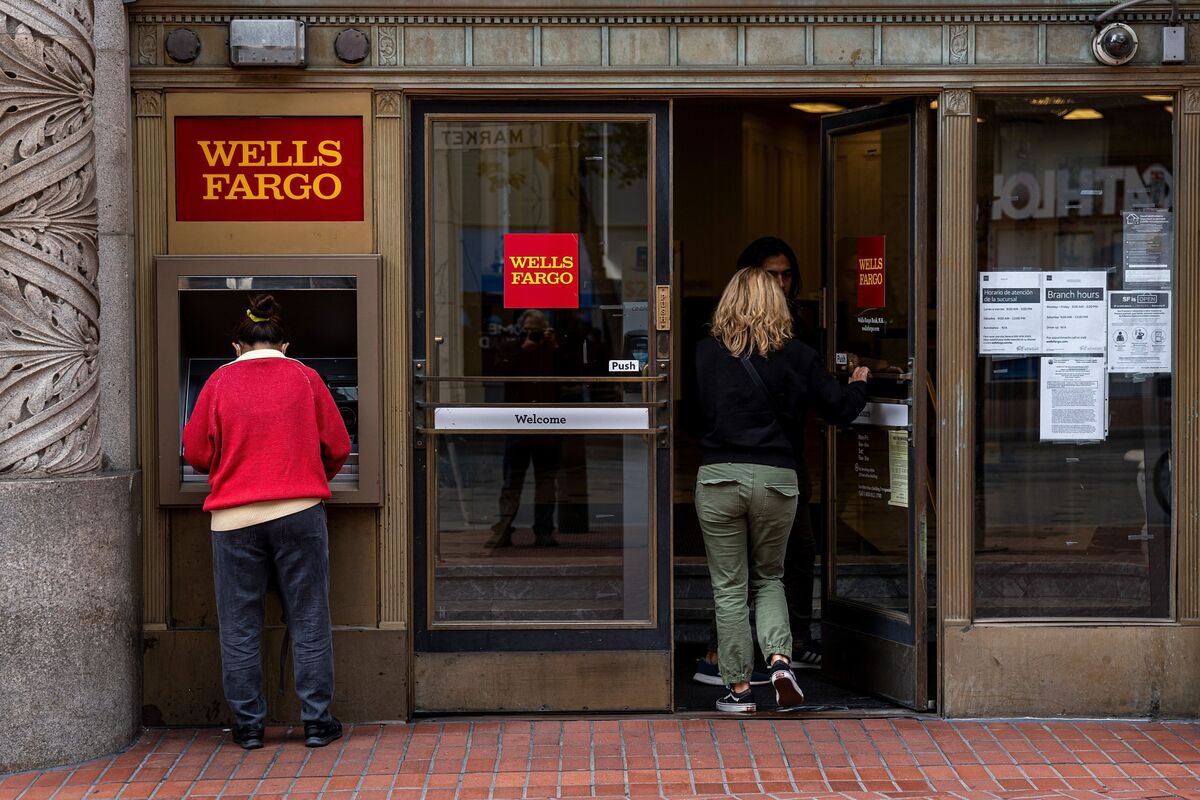
The Federal Reserve lifted its asset cap on Wells Fargo, ending a seven-year restriction imposed after the bank's fake-accounts scandal. This removes a significant impediment to Wells Fargo's growth and allows it to more effectively compete with larger peers, concluding a period that cost the bank billions in fines and lost revenue and saw multiple leadership changes, including the appointment of CEO Charlie Scharf in 2019 to lead the remediation efforts.
The Federal Reserve's decision on June 3rd to lift the asset cap previously imposed on Wells Fargo & Co. (WFC) signifies a pivotal moment for the institution, formally ending an unprecedented seven-year regulatory sanction. This cap, instituted as a penalty for severe misdeeds including the creation of millions of unauthorized customer accounts, had substantially curtailed Wells Fargo's capacity for growth and its ability to compete effectively with peer institutions. The period under sanction was costly, resulting in tens of billions of dollars in fines and lost revenue, and saw significant leadership turnover, culminating in the appointment of CEO Charlie Scharf in 2019 who was tasked with steering the bank's remediation efforts. The removal of this major operational constraint, which affected what was the nation's third-largest bank at the time of the scandals, is met with a strongly positive sentiment (overall score 0.75, WFC-specific 0.85) and suggests a renewed potential for Wells Fargo to expand its business activities and market share.
AI-powered research, real-time alerts, and portfolio analytics for institutional investors.
Request DemoOverall Sentiment
strongly positive
Sentiment Score
0.75
Ticker Sentiment
