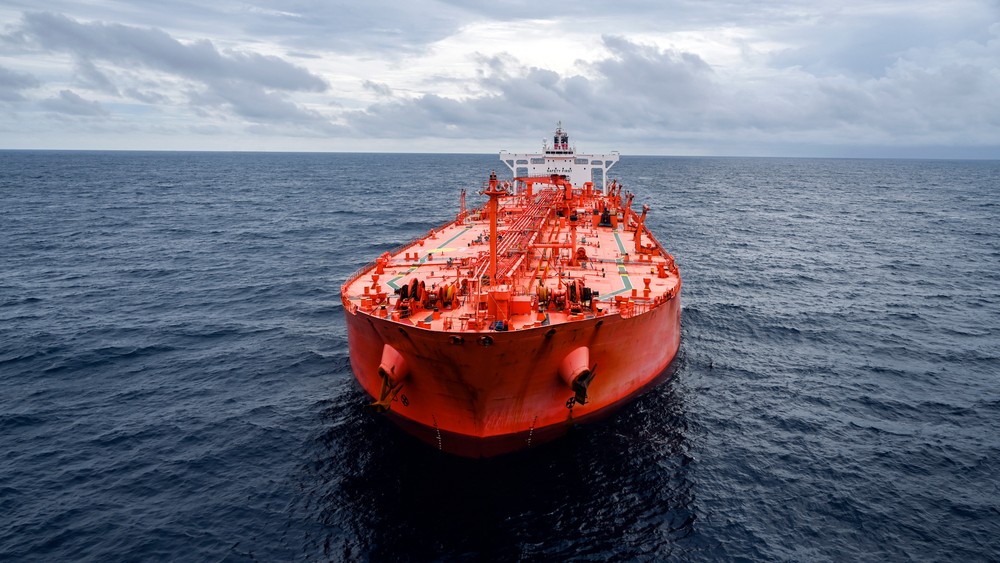
An explosion and fire aboard the Korea-operated cargo ship HMM Namu in waters offshore the UAE has prompted investigations by South Korean authorities and the ship operator, with the exact cause still unclear. No injuries were reported, but the incident has heightened tension around the Strait of Hormuz, where South Korean vessels are now being redirected west toward Qatar for safety. The situation adds fresh geopolitical risk to regional shipping routes and energy transport.
The market’s first-order read is higher geopolitical risk premia in energy and shipping, but the cleaner second-order effect is on routing optionality. Even a limited perceived threat in Hormuz raises the value of non-Gulf barrels, Atlantic Basin refined products, and any logistics chain with surplus vessel availability; that tends to compress freight rates for safer routes while worsening economics for operators with rigid Middle East exposure. The key distinction is that this is a convexity event: headlines can move quickly, but actual supply loss may remain modest unless insurers, charterers, and navies all reprice simultaneously. The more underappreciated risk is not a crude supply shock but a refined-product distribution shock. Asia, especially Korea and Japan, is structurally vulnerable to any sustained lane disruption because incremental replacement barrels and products must travel longer distances, raising delivered costs and tightening prompt gasoline/diesel balances even if Brent itself only edges higher. That can support cracks before it meaningfully lifts flat price, which is a better expression of the trade than outright crude length if the situation stabilizes within days. Consensus is likely overestimating the durability of the move if there is no confirmed external attack. If the incident proves mechanical, the premium can unwind fast; if it is attributed to hostile action, the risk is a short, sharp spike rather than a multi-quarter squeeze unless there is a follow-on strike or a credible closure threat. The tactical setup therefore favors options and relative-value structures over cash beta: own the dislocation, not the headline. The biggest hidden beneficiary is not energy majors but insurers, security services, and alternative-route logistics franchises with pricing power and low capital intensity. Conversely, carriers and refiners with high exposure to Middle East inbound flows face a near-term margin squeeze from higher bunker costs and longer voyage times, even if end-demand has not changed. The trade should be framed as a temporary volatility regime shift with asymmetric upside to risk premia and limited conviction on directional crude absent escalation.
AI-powered research, real-time alerts, and portfolio analytics for institutional investors.
Request DemoOverall Sentiment
mildly negative
Sentiment Score
-0.25
