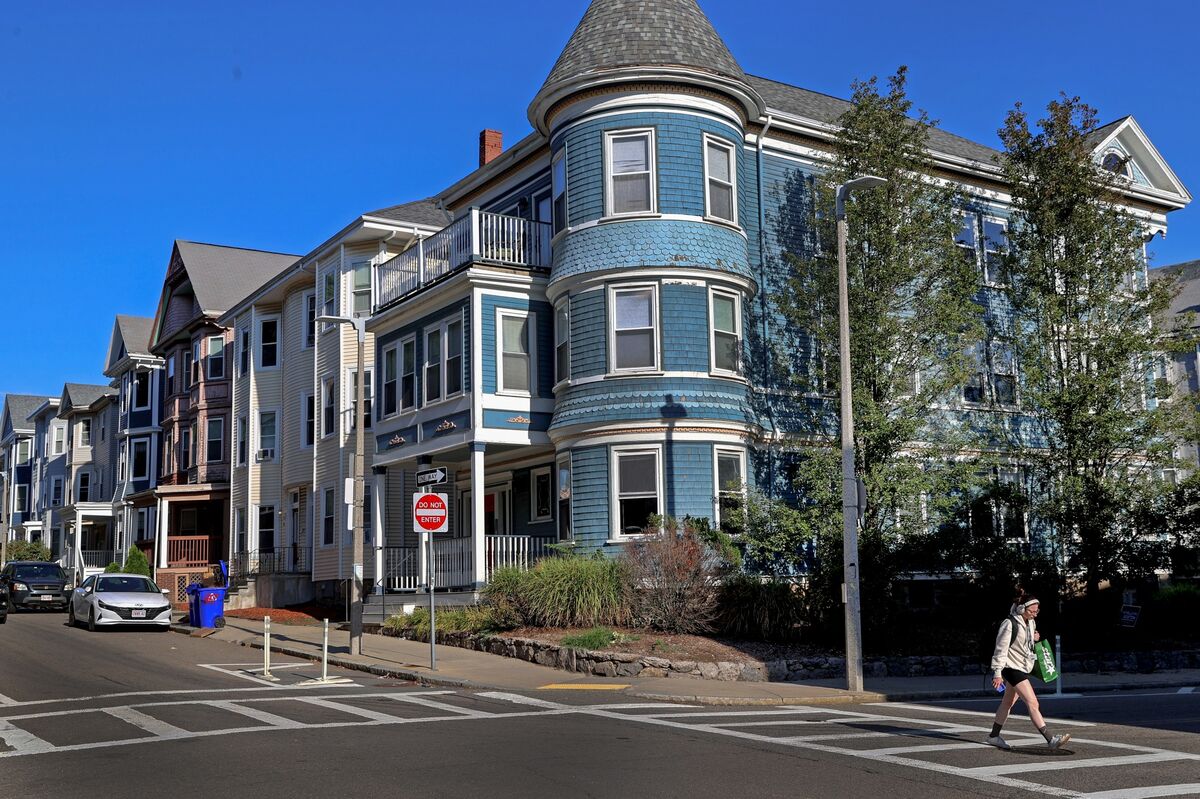
Boston landlords are rapidly cutting rents as tenant demand weakens after years of intense competition driven by the city's biotech sector and universities. Declines in research funding, a cooling biotech market and out-migration are reducing demand for rentals, pressuring property cash flows and valuations and forcing landlords to accept lower rents to retain occupancy.
Market structure: A demand shock concentrated in Boston—driven by biotech funding cuts and out-migration—directly favors renters, Sun‑Belt landlords and single‑family rental (SFR) operators while pressuring core-urban multifamily owners and locally concentrated REITs. Expect localized vacancy and 3–8% rent declines over 3–9 months in weakest micro‑markets, compressing NOI and shortening landlords' pricing power where tenant churn is high.
Risk assessment: Near‑term (days–weeks) pain is tenant wins/losses and leasing velocity; short‑term (3–9 months) risks include wider CMBS spreads, mark‑to‑market equity hits and weaker municipal tax receipts; long‑term (quarters–years) tail risks include a biotech funding rebound (policy reversal) or a deeper regional recession. Hidden dependencies: mortgage reset schedules, landlord leverage, and university hiring cycles — if >20% of owner debt resets at higher rates in next 12 months, distress rises materially.
Trade implications: Tactical short pressure on Boston‑exposed multifamily (Equity Residential EQR, AvalonBay AVB) and selective long exposure to SFR operators (Invitation Homes INVH) and Sun‑Belt landlords; duration asymmetric trade if shelter CPI softens—buy Treasuries. Use 3–9 month option structures to cap risk and watch rent index prints and NIH/federal budget headlines as trade triggers.
Contrarian angles: Consensus assumes structural urban decline; this may be overdone if biotech capital quickly rebases or universities replace renters with grad cohorts. Historical parallel: post‑tech bust urban rents recovered within ~12–24 months when hiring resumed, so size positions small (1–2% portfolio) and phase exposure; unintended consequence—rent relief could boost discretionary spending and local retail names before REITs recover.
AI-powered research, real-time alerts, and portfolio analytics for institutional investors.
Overall Sentiment
moderately negative
Sentiment Score
-0.50
