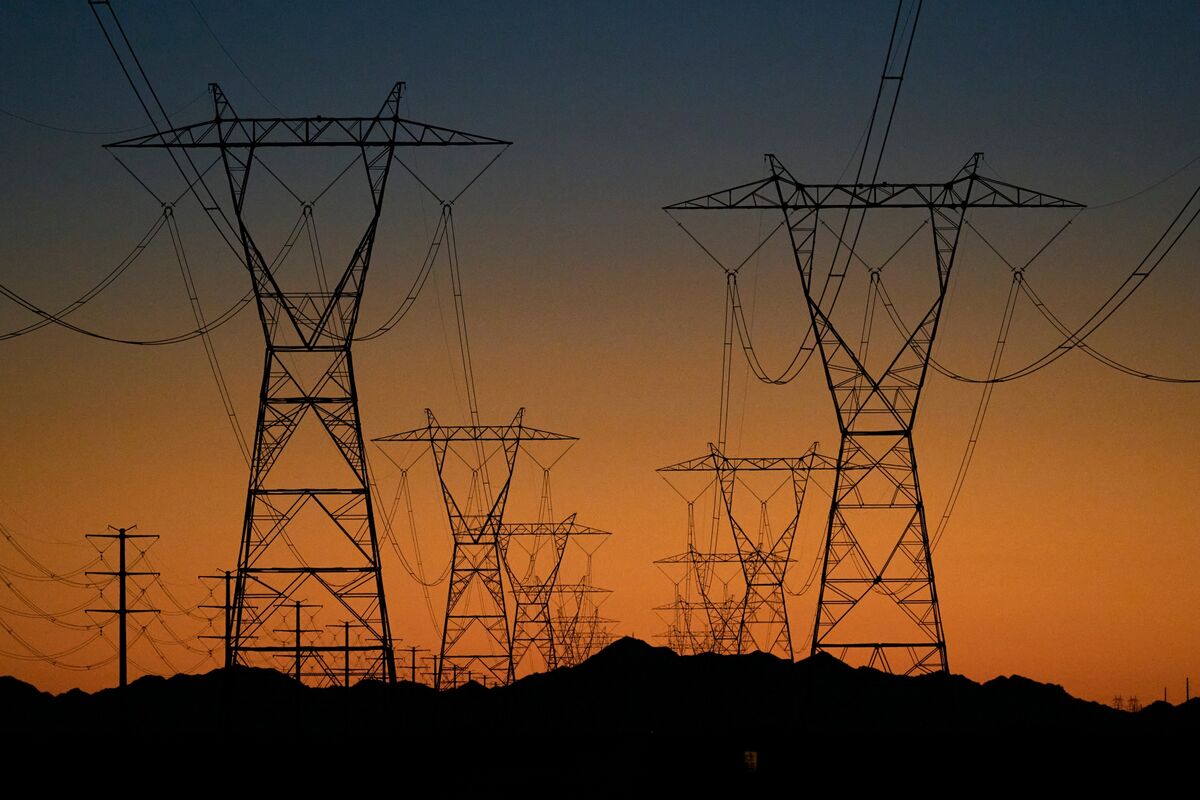
FERC Chair Laura Swett said big tech firms seeking additional power for data centers are not engaging enough with the commission, while she is having substantially more discussions with traditional utilities on grid hookups. This signals potential friction between regulators and tech firms that could slow interconnection timelines or increase regulatory scrutiny for new data-center power requests.
Regulatory posture is becoming a de facto gate into capital deployment for large grid-connected projects; when regulators and incumbent utilities control sequencing and cost allocation, private project IRRs fall because of delay risk and capitalized queue charges. Expect interconnection timelines to stretch materially — a prudent modeling assumption is +6–24 months added to current queue leads — which erodes NPV at roughly 7–10% per year (using an 8–10% discount), and forces sponsors to internalize more network upgrades rather than rely on third-party developers.
The immediate beneficiaries are firms able to be paid to build or who own regulated transmission assets: transmission contractors capture near-term backlog upside and regulated owners get rate-base growth. Over 12–36 months this can lift EPS on transmission-heavy utilities and specialty contractors by mid-single digits if incremental projects are added to capital plans, while firms dependent on fast external interconnects (large hyperscalers or wholesale data center developers) face higher capex and slower revenue ramp.
A clear second-order effect is accelerated on-site resiliency and behind-the-meter deployments as commercial customers seek to avoid long external interconnect waits; that favors battery integrators, microgrid and CHP providers, and fuel-cell makers with multi-year service contracts. Conversely, any policy shift that socializes upgrade costs or forces queue reform (likely a 6–18 month rulemaking window) would compress contractor margins and redistribute value back to project sponsors, reversing winners quickly.
Key catalysts to watch: filings and technical conferences that indicate (i) timelines for interconnection queue reforms, (ii) utility capital plan updates that add transmission projects (look for 5–10% incremental capex lines), and (iii) announcements of large customers committing to on-site generation or firming contracts. Short-term volatility will be driven by contractor backlog prints and utility rate-case testimony; medium-term re-rating hinges on who ultimately bears upgrade costs.
AI-powered research, real-time alerts, and portfolio analytics for institutional investors.
Request DemoOverall Sentiment
neutral
Sentiment Score
0.00
