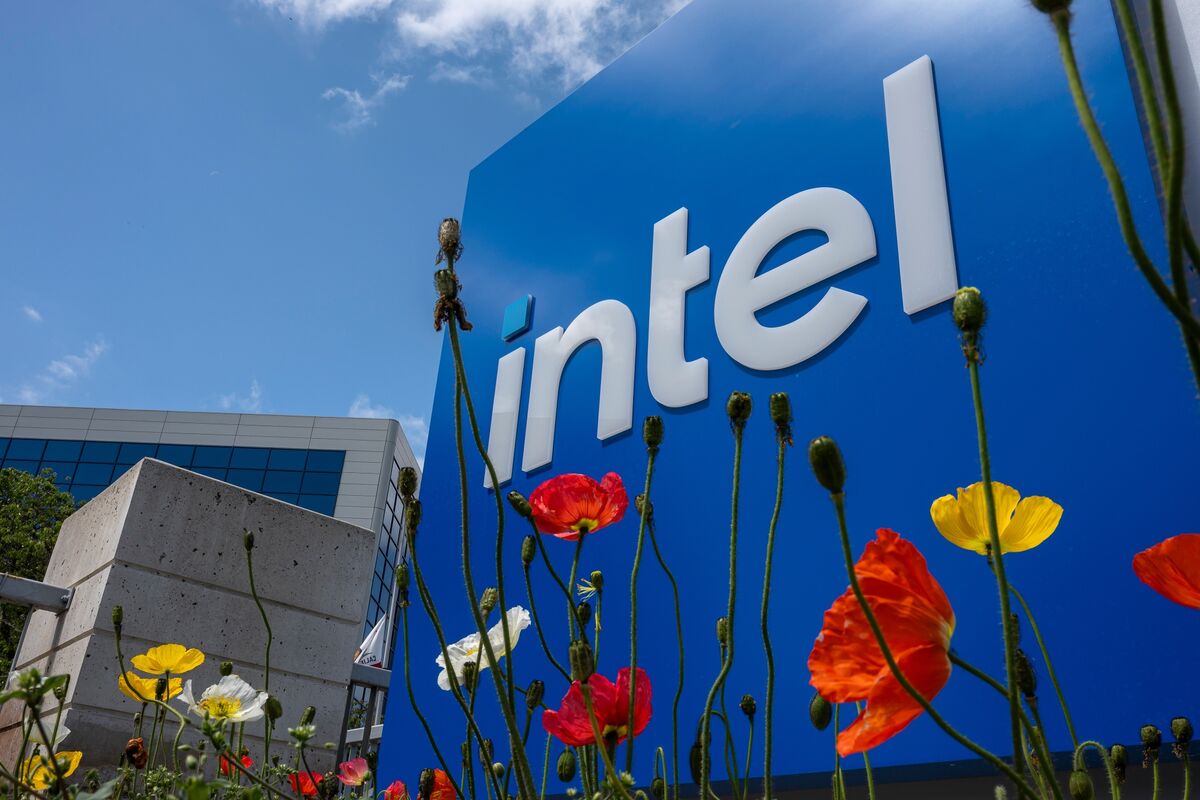
Intel's bonds rallied following Nvidia's announcement of a $5 billion investment and a joint semiconductor development partnership, a strategic move expected to bolster the struggling chipmaker. Specifically, spreads on Intel's 5.6% bonds due February 2024 narrowed by 0.16 percentage point to 1.12 percentage point, while its 3.25% bonds due November 2049 tightened by 0.19 percentage point to 1.09 percentage point.
Intel Corp.'s credit profile received a significant boost following the announcement of a $5 billion investment and a strategic semiconductor development partnership from rival Nvidia Corp. The market's positive reception was immediately evident in the bond market, where credit spreads tightened materially. Specifically, the spread on Intel’s 5.6% bonds due February 2024 narrowed by 0.16 percentage point to 1.12, and the spread on its 3.25% bond due November 2049 tightened by 0.19 percentage point to 1.09. This tightening reflects a marked decrease in perceived default risk and an increase in investor confidence in Intel's financial stability. The capital injection and technological collaboration with a key competitor are viewed as a critical support mechanism for the company, potentially improving its long-term fundamental outlook.
AI-powered research, real-time alerts, and portfolio analytics for institutional investors.
Request DemoOverall Sentiment
strongly positive
Sentiment Score
0.85
Ticker Sentiment
