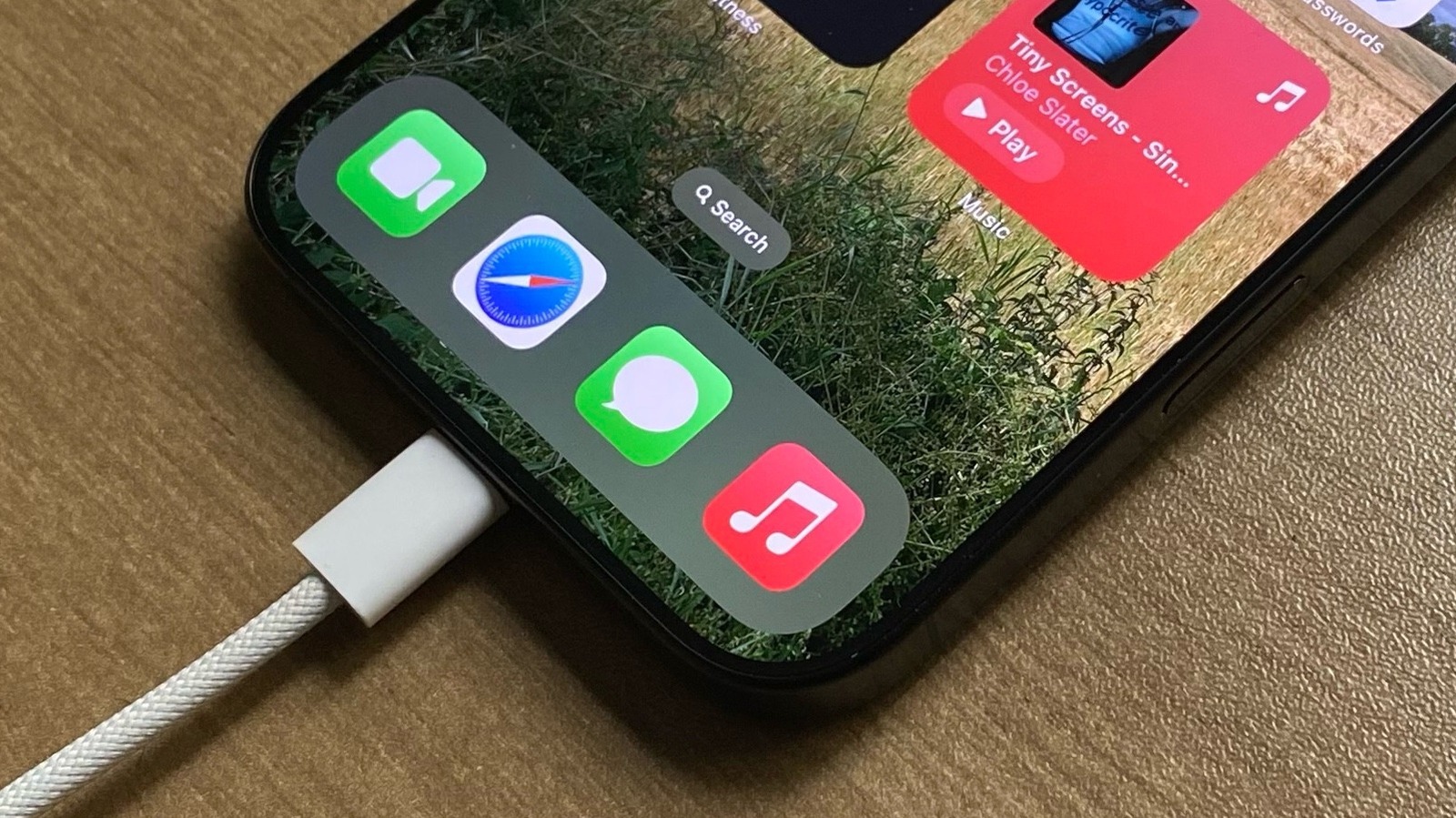
Apple's iOS 26.2.1 rollout has generated widespread user complaints — including missing Apple Maps favorites, third‑party Face ID failures, Control Center and HomeKit instability, incorrect storage reporting, app crashes, unexpected reboots and elevated battery drain — and users cannot revert because Apple stopped signing iOS 26.2. The company has not released an iOS 26.3 Release Candidate, with delays possibly tied to timing around new MacBook Pro (M5 Pro/M5 Max) announcements, implementation of Digital Markets Act features for Europe, or adjustments for the iOS 26.4/Siri/Gemini roadmap; the issues create short‑term reputational and quality risks but, absent escalation, are unlikely to materially alter Apple's near‑term financial outlook.
Market structure: The immediate loser is AAPL — user friction and downgrade-blocking (iOS 26.2 signing stopped) increase short-term reputational risk and likely lift implied vol by ~10–25% into the next release. Winners are competitors and app ecosystems (GOOGL, Android OEMs, third‑party authentication providers) who can leverage reliability narratives; market share shifts are likely cosmetic in weeks but could pressure Apple’s services engagement metrics by a few percentage points if user frustration persists.
Risk assessment: Tail risks include a regionally fragmented iOS (Digital Markets Act) that raises engineering cost by tens to hundreds of millions and creates EU-specific bugs, and an operational outage (carrier/connectivity bug) that could trigger regulatory scrutiny or class actions. Immediate (days) risk is social-media amplification; short‑term (weeks) risk is delayed RC/GA and a bump in churn; long-term (quarters) risk is slightly lower upgrade cadence and higher support costs.
Trade implications: Tactical trades favor short-duration bearish exposure to AAPL — prefer 4–8 week puts or put spreads to capture vola repricing into iOS 26.3. Relative-value: long GOOGL (or MSFT) vs short AAPL to capture platform rotation; tilt 1–3% of portfolio into software/advertising beneficiaries for 1–3 months. Enter on current IV levels, scale out within 7–14 days after a stable 26.3 GA.
Contrarian angles: The market often overprices transient software issues — historical Apple iOS bug cycles corrected within 2–6 weeks with >5% mean reversion. If 26.3 RC arrives within 2–4 weeks and telemetry shows resolution, short squeezes are likely; size positions conservatively, and consider selling premium post‑fix if IV remains elevated.
AI-powered research, real-time alerts, and portfolio analytics for institutional investors.
Request DemoOverall Sentiment
moderately negative
Sentiment Score
-0.40
Ticker Sentiment
