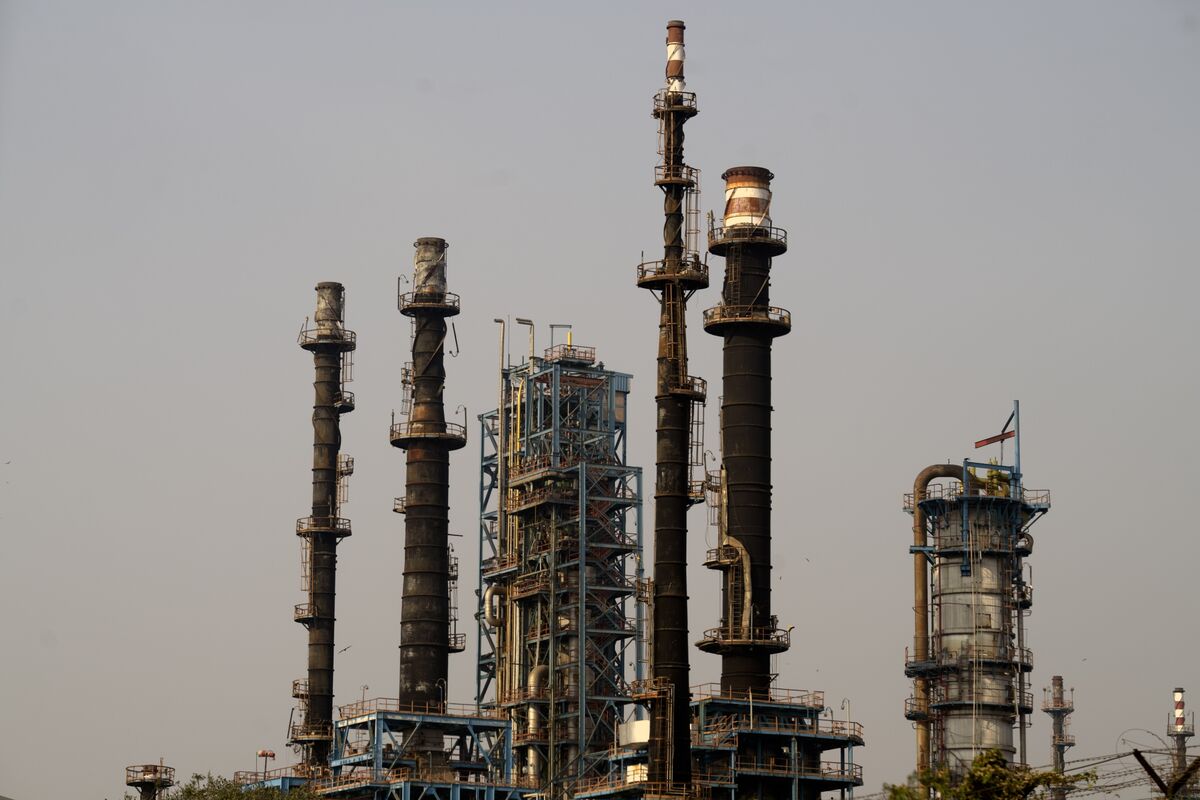
Asian refiners reportedly offered around a $20/bbl premium to buy UAE Upper Zakum crude, highlighting strong demand for diesel-rich medium-sour grades. The premium reflects a supply squeeze after the Iran war disrupted crude availability, and May-loading cargoes are also clearing above official selling prices. The move signals tighter regional crude markets and potential upward pressure on medium-sour crude differentials.
The immediate beneficiary is not just the UAE producer base but the entire Asian complex that can process medium-sour barrels into transport fuels. When diesel-rich crude clears at a massive premium, it is a signal that regional refiners are paying up for optionality in middle distillates, which tends to improve crack spreads for complex refiners and squeeze simple hydroskimming plants that cannot upgrade heavy fractions efficiently. The second-order effect is that benchmark pricing for similar grades should remain sticky until alternative flows from the Middle East or Atlantic Basin re-route into Asia, which is typically a multi-week process rather than a same-day fix.
The key risk is that this is a late-cycle panic bid, not a durable structural repricing. If war-related disruption proves temporary or if inventories in Singapore/Japan/Korea are higher than feared, these premiums can mean-revert fast once term barrels arrive and prompt cargoes get resold. The vulnerable cohort is Asian refiners running limited coker/hydrocracker capacity, because they will pay up for feedstock while losing the ability to pass through higher diesel prices if demand softens in construction, trucking, or petrochemicals over the next 1-3 months.
A better expression than outright crude length is a relative-value bet on downstream margin dispersion: long complex refiners versus short simple refiners, or long diesel-exposed upstream/merchant players versus short transport-sensitive industrials. The contrarian point is that consensus may be overestimating how long this premium can persist; once the market stops fearing immediate supply loss, the premium itself becomes the demand destroyer by forcing refiners to run at lower utilization or shift to less optimal slates. If Middle East flows normalize, the trade unwinds quickly because the scarcity premium is being embedded in forward cargoes, not just spot barrels.
AI-powered research, real-time alerts, and portfolio analytics for institutional investors.
Request DemoOverall Sentiment
neutral
Sentiment Score
0.10
