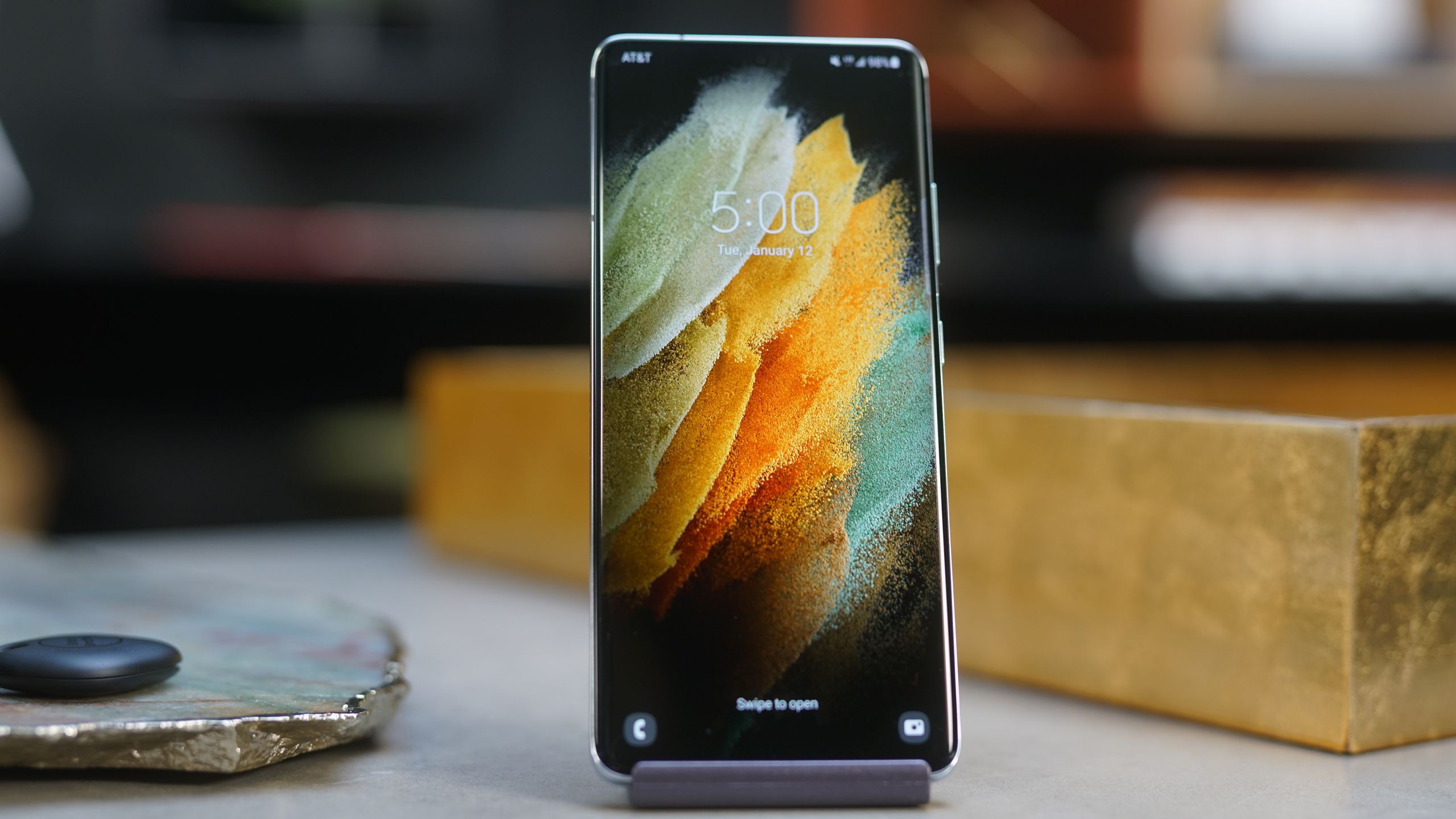
Samsung has ended Android version and security updates for the Galaxy S21, S21+ and S21 Ultra, removing them from its security updates list; the Galaxy S21 FE remains supported but has moved from monthly to quarterly updates. The S21 family received roughly five years of support, and the FE — being about a year newer — is expected to remain supported until around early 2027 alongside the S22 line. The move raises user security and obsolescence risks that could modestly accelerate upgrade demand, but it is unlikely to be materially market-moving for Samsung’s near-term financials.
Market structure: Ending S21 support benefits OEMs and component suppliers that sell current-generation hardware (Samsung Electronics - 005930.KS, Qualcomm QCOM, TSMC 2330.TW) because a portion of S21 users will accelerate upgrades over the next 6–18 months; losers are the S21 second‑hand market and small refurbishers where supply will increase and prices may fall ~5–15% near-term. Competitive dynamics favor flagship makers with clear long‑term update commitments (Samsung post‑2024, Apple AAPL) which should preserve pricing power versus budget Android rivals; expect a modest 1–3% uplift in OEM unit demand concentration toward newer models in the next year.
Risk assessment: Tail risks include a major exploit of unpatched S21 devices triggering class actions/regulatory fines (scope: hundreds of millions to low billions) and a reputational hit that could shave 2–5% off Samsung’s revenue growth over 12–24 months if customers delay upgrades. Immediate market reaction is likely muted (days), short‑term (3–6 months) upgrade promotions and carrier trade‑ins will dominate, and long‑term (1–3 years) the durability of update promises will influence ARPU and churn. Hidden dependencies: carrier subsidy programs, trade‑in economics, and enterprise device fleets could amplify or mute upgrade flows; watch carrier promo cadence as a catalyst.
Trade implications: Direct plays favor suppliers and cybersecurity vendors — overweight QCOM (6–12 month horizon) and TSMC exposure through 2330.TW or SOXX; add a small (1–2%) tactical position in CRWD/PANW for increased security spend as customers replace unpatched phones. Options: consider 3–6 month call spreads on QCOM to capture upgrade cycle upside with defined risk; hedge Korea exposure with a 3‑month put on 005930.KS or KOSPI if regulatory headlines surface.
Contrarian angles: Consensus underestimates downstream effects — surplus S21 units could depress used prices and temporarily increase marketplace volume (benefitting EBAY) while simultaneously accelerating new‑device demand; the market may underprice a brand trust shock that reduces Samsung flagship ASPs by >1–2% annually. Historical parallels (Nexus/older Galaxy EOLs) show initial upgrade spikes but longer‑term brand penalties if update commitments are inconsistent; this creates mispricings in both OEM equity and specialist refurbisher valuations.
AI-powered research, real-time alerts, and portfolio analytics for institutional investors.
Request DemoOverall Sentiment
neutral
Sentiment Score
0.05
