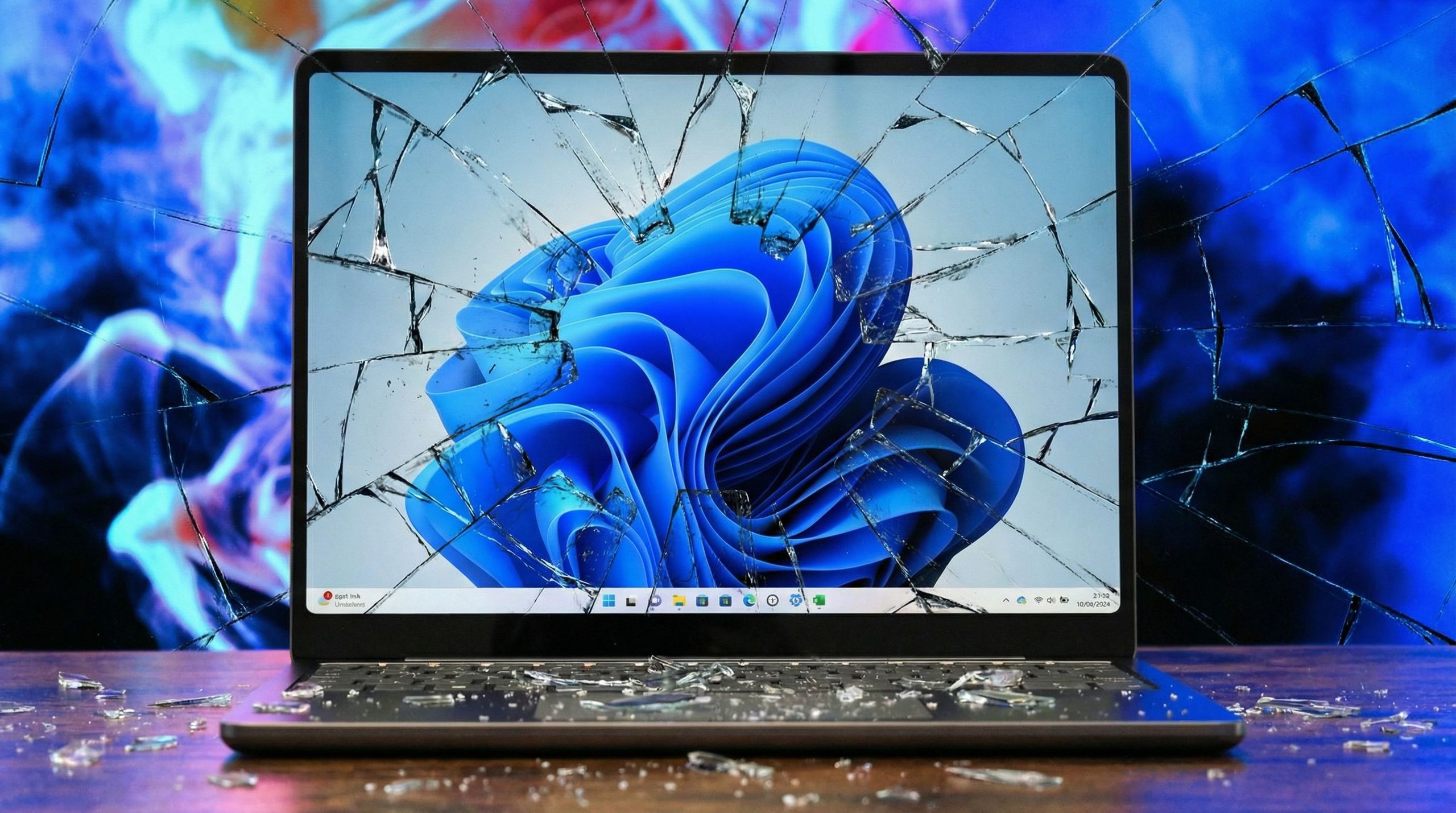
Windows updates released on or after Jan 13, 2026 (KB5074109) are causing some applications to become unresponsive or throw errors when opening or saving files to cloud-backed storage such as OneDrive and Dropbox; Outlook configurations storing PST files on OneDrive may hang, fail to reopen and lose visibility of sent items. Microsoft recommends moving PST files out of OneDrive as a workaround and is working on a resolution; repeated post-update stability problems and commentary about AI-assisted coding raise operational and reputational concerns for Microsoft but are unlikely to materially affect near-term financials.
Market structure: The immediate losers are Microsoft (MSFT) and integrated cloud-storage UX (OneDrive) partners because tightly coupled OS-cloud integration amplifies user pain and support costs; Dropbox (DBX) is also exposed but less systemic. Winners are third‑party cloud vendors (AWS/AMZN, GCP/GOOGL) and enterprise backup/cybersecurity providers (PANW, ZS) who can pitch reliability; I estimate a plausible 1–2 percentage‑point enterprise share shift to non‑Microsoft storage over 12–24 months if outages persist.
Risk assessment: Tail risks include enterprise data loss leading to class actions/regulatory fines (low probability, high impact) and a temporary widening of MSFT credit spreads by 10–30bp if customer churn accelerates. Immediate risk (days) is support load and PR; short term (weeks) is patch rollout and customer migration decisions; long term (quarters) is reputational impact on Windows/OneDrive adoption. Hidden dependency: OS‑level integration means fixes may require coordinated OS builds and partner validations, lengthening remediation time.
Trade implications: Tactical plays favor short‑dated hedges on MSFT (elevated IV) and selective longs in AMZN/GOOGL and cybersecurity names; expect MSFT implied vol to rise 20–50% near term on tweet/news cycles. Cross‑assets: minimal FX/commodities impact; corporate bond spreads for MSFT could tick wider modestly; use 30–90 day options to capture event risk and pair trades to express relative weakness.
Contrarian angles: Consensus may overstate durable damage—historically Windows update incidents trim MSFT equity 2–5% intra‑month and reverse after fixes, so large outright shorts are risky. Mispricing opportunity: defined‑risk option structures to monetize headline volatility while avoiding long‑term platform risk. Unintended consequence: aggressive shorting could be clipped by a comprehensive patch within 7–14 days causing rapid IV collapse.
AI-powered research, real-time alerts, and portfolio analytics for institutional investors.
Request DemoOverall Sentiment
moderately negative
Sentiment Score
-0.35
Ticker Sentiment
